

Kasia Polish Mom
Polish-born, Chicago-raised, feeding a family of six with babcia’s recipes and a global pantry. I grew up folding pierogi at my grandmother’s kitchen table and never stopped — 15+ years of cooking from scratch, one Sunday dinner at a time. Everything here is tested on four kids, a hungry husband, and the memory of a woman who never measured anything but always got it right.
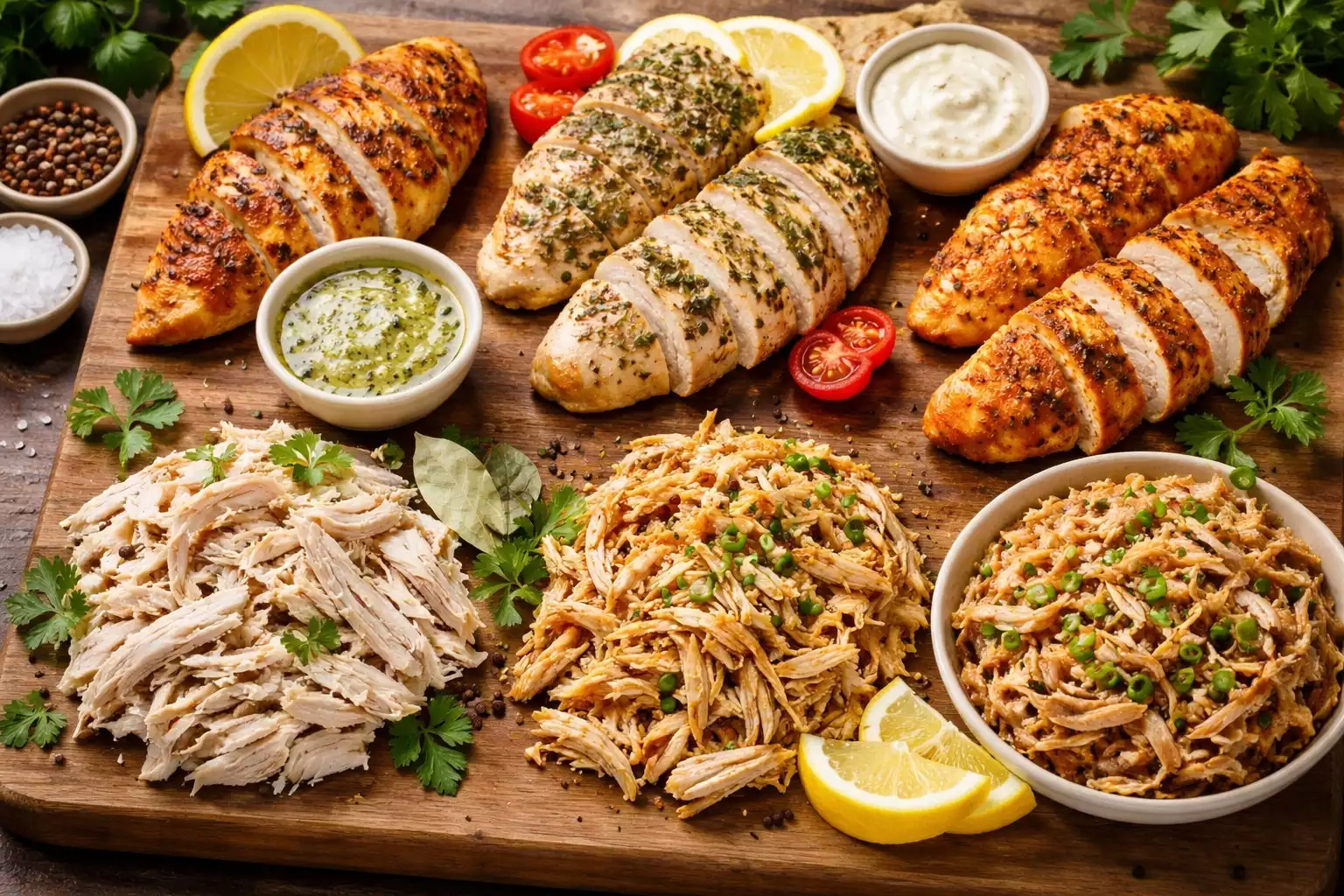
Chicken Breast 5 Ways — Never Dry Again
Dry chicken breast is a crime against food. I have five methods to make sure you never commit it again.
Chicken breast gets a bad reputation because most people overcook it. It’s lean, which means there’s no fat to insulate it — once it passes 165F / 74C internal temperature, it goes from juicy to sawdust in about 90 seconds. The margin for error is tiny. But with proper technique, chicken breast is one of the most versatile, budget-friendly, and meal-prep-perfect proteins available. You just need to stop treating it like an afterthought.
The Universal First Step: Brine
Before any cooking method, brine the chicken for 30 minutes in salt water (1 tablespoon salt per cup of water). Brining forces moisture into the meat through osmosis, giving you a buffer against overcooking. It adds about 10% more moisture to the breast, which is the difference between “this is great” and “this is dry.” I brine every single chicken breast I cook. Every. Single. One.
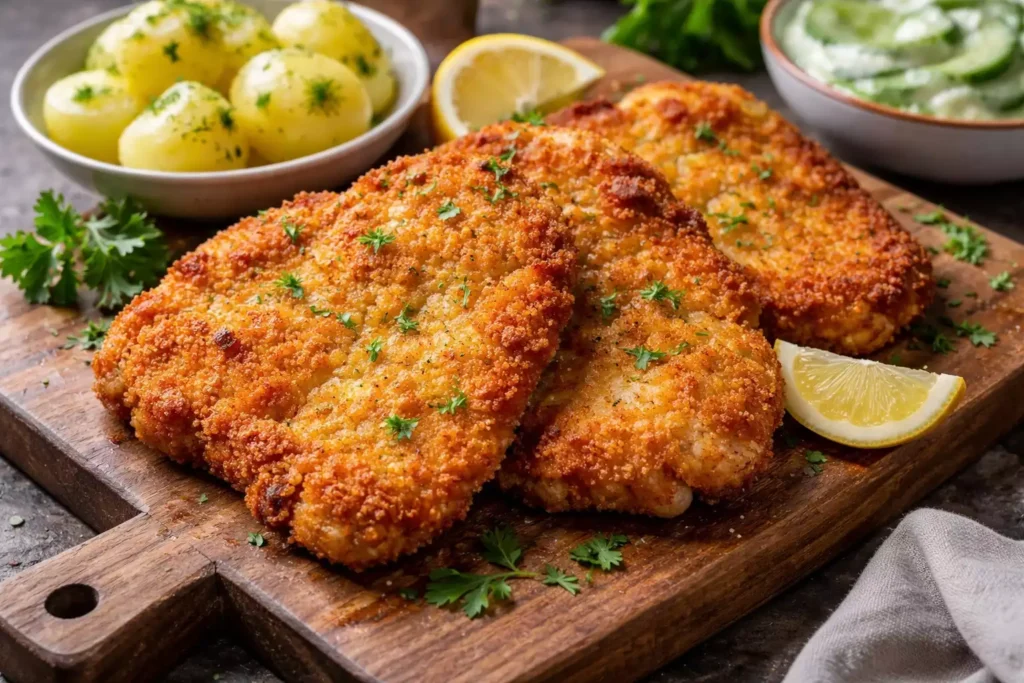
Method 1: Pan-Seared (Polish Mom Standard)
Pound to even 3/4 inch thickness. Season. Heat oil over medium-high. Sear 5-6 minutes per side. Rest 5 minutes. The pounding creates uniform thickness so the thin part doesn’t dry out while the thick part finishes cooking. This is schabowy logic applied to naked chicken — babcia’s pounding technique transfers directly.
Method 2: Oven-Baked (Set and Forget)
200C / 400F, 18-22 minutes depending on thickness. Use a meat thermometer — pull at 160F and let carryover heat finish to 165F. The oven is forgiving and consistent. My go-to for meal prep because I can bake 6 breasts simultaneously.
Method 3: Poached (For Shredding)
Place chicken in a pot, cover with water by 1 inch. Add garlic, peppercorns, bay leaf. Bring to a boil, immediately reduce to the lowest simmer. Cover. Cook 15-18 minutes. The gentle heat keeps the chicken incredibly moist. Perfect for shredding into salads, soups, and bowls.
Method 4: Air Fryer (Fastest Crispy)
200C / 400F, 10 minutes per side. The circulating hot air creates a crispy exterior without breading. Juicy inside, golden outside. Season aggressively because the air fryer’s dry heat doesn’t carry flavour the way oil does.

Method 5: Crockpot (Zero Effort)
The crockpot method works for breasts too — LOW 4-5 hours (shorter than thighs). Add sauce or broth for moisture. Not as foolproof as thighs but serviceable when breasts are what you have.
Global Seasoning Guide
Polish: Marjoram, garlic powder, smoked paprika, salt (the schabowy profile)
Mexican: Cumin, chilli powder, garlic, lime
Korean: Gochujang, soy sauce, sesame oil, garlic, ginger
Italian: Italian herbs, garlic, olive oil, lemon
Thai: Fish sauce, lime, garlic, chilli, brown sugar
Tips
✓ Brine first. Always. 30 minutes in salt water. Non-negotiable.
✓ Pound for evenness. Uneven breasts cook unevenly. Pound the thick part to match the thin part.
✓ Use a thermometer. 165F internal is done. Every degree beyond is drier. Guessing leads to overcooking.
✓ Rest 5 minutes. Cutting immediately releases juices onto the board. Resting redistributes them into the meat.
How to Store
Cooked chicken breast: fridge 4-5 days, freezer 3 months. Slice or shred before storing for faster reheating. The brined, properly-cooked breast keeps its moisture even after refrigeration — which is the whole point of getting the technique right.
The Dry Chicken Epidemic
I estimate that 80% of people who say “I don’t like chicken breast” actually mean “I don’t like overcooked chicken breast.” Properly cooked, brined chicken breast is juicy, tender, and versatile. The problem is that most home cooks (including me, for years) treat chicken breast casually — season, throw in pan, cook until “done,” which usually means 10F past done, which means dry. The brine-and-thermometer combination eliminates this entirely. Brine provides a moisture buffer. The thermometer tells you exactly when to stop. Together, they produce chicken breast that people are genuinely surprised by. “This is chicken breast?” is the best compliment these techniques can receive.
How do I know when chicken breast is done without a thermometer?
Press the thickest part — it should feel firm but still spring back slightly. Cut into the thickest piece — the interior should be opaque white with clear juices, no pink. But honestly: buy a thermometer. They cost $10, last years, and eliminate guessing. The thermometer is the single most impactful kitchen tool I own, and I use it for everything from chicken to steak to bread. Babcia cooked by feel. I cook by degrees. Both approaches work, but the thermometer is faster to learn.
Variations
Stuffed chicken breast: Cut a pocket, fill with spinach and mozzarella (Italian), cream cheese and jalapeno (Mexican), or twarog and dill (Polish). Bake at 190C / 375F for 25 minutes. The filling keeps the interior moist and adds flavour from the inside out.
Chicken breast schnitzel: Pound thin, bread with the schabowy three-station method, pan-fry. The breading protects against overcooking and the pounding ensures even thickness. Babcia’s technique solving the modern chicken breast problem.
Chicken breast meal prep: Bake 6 breasts with different seasonings (2 Korean, 2 Mexican, 2 Italian) on the same sheet pan. Slice and portion. Three cuisines of lunch protein from one 25-minute oven session.
The Brining Revolution
If you do ONE thing differently after reading this article, let it be brining. Dissolve 2 tablespoons of salt in 4 cups of water. Submerge the chicken breasts. Refrigerate 30 minutes to 2 hours. That’s it. The salt solution penetrates the meat, seasons it throughout (not just on the surface), and — crucially — changes the protein structure so it retains more moisture during cooking. Brined chicken breast comes out 30-40% juicier than unbrined, regardless of cooking method. I brine every chicken breast that enters my kitchen. It’s 2 minutes of active work for a transformative improvement. Babcia didn’t brine (she used thighs, which don’t need it), but she’d approve of any technique that prevents dry meat. Dry meat was a personal offence in babcia’s kitchen.
Kasia Polish Mom
Polish-born, Chicago-raised, feeding a family of six with babcia’s recipes and a global pantry. I grew up folding pierogi at my grandmother’s kitchen table and never stopped — 15+ years of cooking from scratch, one Sunday dinner at a time. Everything here is tested on four kids, a hungry husband, and the memory of a woman who never measured anything but always got it right.