



Kasia Polish Mom
Polish-born, Chicago-raised, feeding a family of six with babcia’s recipes and a global pantry. I grew up folding pierogi at my grandmother’s kitchen table and never stopped — 15+ years of cooking from scratch, one Sunday dinner at a time. Everything here is tested on four kids, a hungry husband, and the memory of a woman who never measured anything but always got it right.
One-Pot Pasta Dinners — 5 Variations

One pot. ONE. That’s one pot to cook in and one pot to wash. This is the hill I live on, and these five one-pot pasta recipes are my evidence that complex flavour doesn’t require complex cleanup.
The method: cook the noodles directly in the sauce. The starch from the pasta thickens the sauce, the pasta absorbs flavour from the liquid, and everything comes together in one vessel. No draining. No separate sauce pan. No colander. Just one pot, a wooden spoon, and 20 minutes of your life. The Italian grandmother in my head is screaming about breaking pasta rules. I hear her. I respectfully disagree. One pot is worth it.
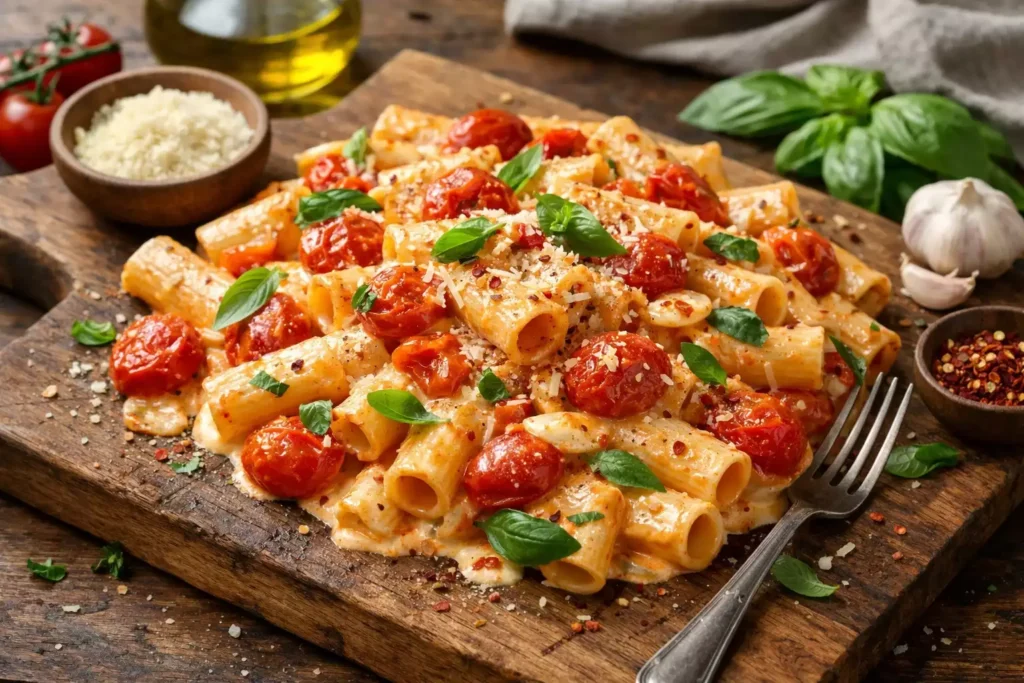
Pasta 1: Creamy Tomato (Italian)
Pasta + canned tomatoes + cream + garlic + Italian herbs + parmesan. Add pasta, crushed tomatoes, cream, garlic, Italian seasoning, and enough water to just cover the pasta. Simmer 12-15 minutes, stirring occasionally. The creamy tomato garlic pasta flavour in one-pot form. The starch makes the sauce impossibly creamy.
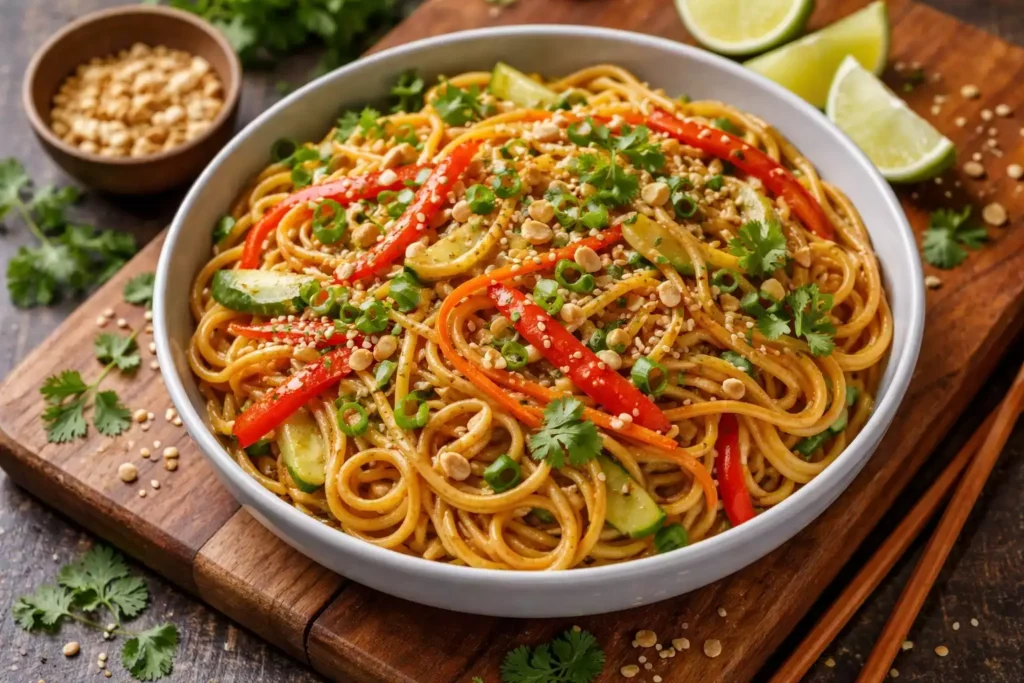
Pasta 2: Spicy Peanut (Thai)
Spaghetti + peanut butter + soy sauce + sriracha + coconut milk + lime. Cook spaghetti in a mixture of coconut milk, water, peanut butter, soy sauce, and sriracha. The peanut noodle experience in one pot. Finish with lime juice and chopped peanuts. My Friday night standby.
Pasta 3: Kielbasa & Sauerkraut (Polish)
Penne + sliced kielbasa + drained sauerkraut + chicken broth + cream + caraway seeds. Brown kielbasa in the pot first for flavour, then add everything else. The sauerkraut tang in a creamy pasta sauce is addictive and entirely Polish. Babcia never made pasta like this, but she’d eat it.

Pasta 4: Gochujang Tomato (Korean-Italian)
Rigatoni + gochujang + canned tomatoes + cream + sesame oil. The viral gochujang pasta trend, done in one pot. The fermented heat of gochujang with tomatoes and cream — similar philosophy to gochujang mac and cheese but lighter. Finish with sesame seeds and green onion.
Pasta 5: Lemon Garlic Butter (Simple)
Angel hair + butter + garlic + lemon + chicken broth + parmesan. The simplest recipe on this list and sometimes the most satisfying. Cook pasta in chicken broth with garlic. Finish with butter, lemon juice, and parmesan. The broth makes the sauce. The lemon brightens everything. 15 minutes. Six ingredients. Proof that simple cooking can be…
The One-Pot Science
When pasta cooks in sauce instead of plain water, two things happen: the starch released by the pasta thickens the sauce (creating creaminess without adding extra cream), and the pasta absorbs the flavour of the liquid (making each noodle taste like the sauce). This is why one-pot pasta often tastes more cohesive than drained-and-sauced pasta. The noodles and the sauce become one entity rather than two separate components sharing a bowl.
Tips
✓ Stir frequently. One-pot pasta sticks if you ignore it. Stir every 2-3 minutes.
✓ Watch the liquid. If the liquid absorbs before the pasta is cooked, add a splash more. If there’s too much liquid when the pasta is done, simmer uncovered for a minute.
✓ Short pasta works best. Penne, rigatoni, and rotini fit in one layer in the pot. Long pasta (spaghetti) needs to be broken or submerged gradually.
✓ Taste for seasoning at the end. The starch absorption dilutes salt. Adjust after cooking.
How to Store
Fridge 4 days. Reheat with a splash of water or broth — the starch thickens further in the fridge and the pasta needs loosening. All five variations reheat well. The creamy tomato and peanut versions are the best meal prep candidates.
The Dish Situation
In a household with four children, dishes multiply like they’re breeding in the sink. Every meal creates a pile. Every snack adds to it. By evening, the kitchen looks like a dishwasher exploded in reverse. One-pot pasta is my small act of rebellion against the dish pile. One pot. One wooden spoon. One cutting board for chopping garlic. That’s three items to wash instead of the usual seven (pot, colander, sauce pan, mixing bowl, wooden spoon, cutting board, ladle). The four items I DON’T have to wash represent 10 minutes of my evening reclaimed. Multiply by the two one-pot pasta nights per week and I save over an hour per month in dishwashing alone. This is the kind of math that matters to a mother of four.
Won’t the pasta be mushy?
Not if you monitor the liquid. The pasta absorbs the sauce while cooking — when it’s al dente and the sauce has thickened to your desired consistency, it’s done. The timing varies by pasta shape (penne takes longer than angel hair), but 12-15 minutes covers most shapes. If it’s too thick, add a splash of water. If it’s too loose, simmer uncovered for 1-2 minutes. The margin for error is wider than you’d think, and even slightly overcooked one-pot pasta tastes better than it has any right to because the noodles are saturated with flavour.
Variations
Cajun: Andouille sausage + bell peppers + tomatoes + Cajun seasoning + penne. Southern comfort in one pot.
Mushroom cream: Sliced mushrooms + garlic + cream + thyme + parmesan + fettuccine. Rich, earthy, deeply satisfying. No meat needed.
Cheeseburger pasta: Ground beef + diced onion + mustard + ketchup + cheddar + macaroni. My kids’ most-requested one-pot dinner. It tastes exactly like it sounds, and that’s the point.
The Dish Argument
My husband and I had a recurring disagreement about dishes. He cooks elaborate meals that use every pot, pan, and bowl in the kitchen. I started making one-pot pastas specifically to prove that delicious food doesn’t require a mountain of dishes. The first time I made a one-pot creamy tomato pasta — the noodles cooked directly in the sauce, absorbed all the flavour, and required cleaning exactly one pot — he conceded the point. One pot. One cutting board. One knife. One meal that tastes like it used five pots. That’s efficiency. That’s the hill I live on, and the view from up here involves significantly less time at the sink.
Kasia Polish Mom
Polish-born, Chicago-raised, feeding a family of six with babcia’s recipes and a global pantry. I grew up folding pierogi at my grandmother’s kitchen table and never stopped — 15+ years of cooking from scratch, one Sunday dinner at a time. Everything here is tested on four kids, a hungry husband, and the memory of a woman who never measured anything but always got it right.