



Kasia Polish Mom
Polish-born, Chicago-raised, feeding a family of six with babcia’s recipes and a global pantry. I grew up folding pierogi at my grandmother’s kitchen table and never stopped — 15+ years of cooking from scratch, one Sunday dinner at a time. Everything here is tested on four kids, a hungry husband, and the memory of a woman who never measured anything but always got it right.
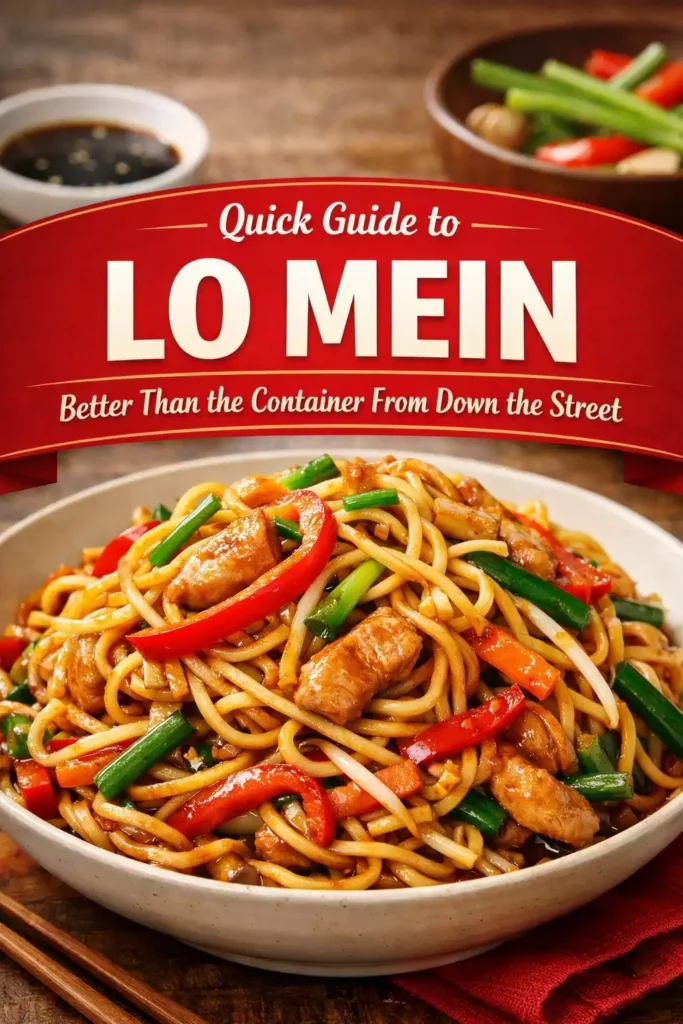
Lo Mein — Better Than the Container From Down the Street
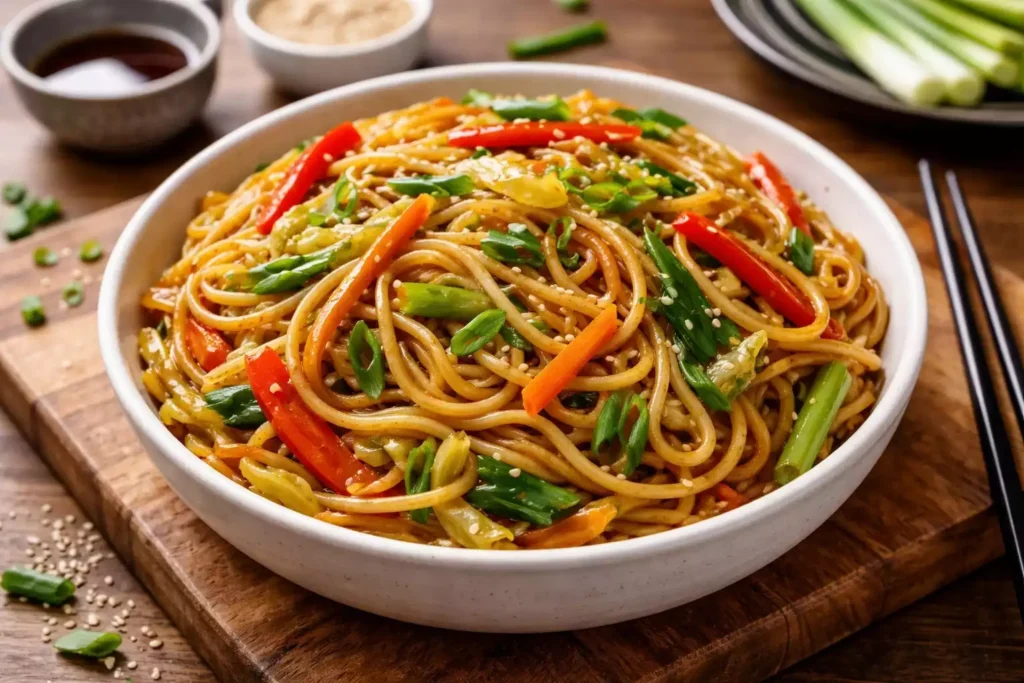
My kids eat lo mein faster than I can make it. I have timed this. Four minutes flat from bowl placement to empty bowl. I am not exaggerating because I timed it. The bowl is full. Then you blink. Then the bowl is empty and someone is asking if there is more. Lo mein has this effect on people. It is the noodle dish that everyone immediately loves without ever having a complicated first impression.
Lo mein — the Cantonese noodle dish whose name literally means “tossed noodles” — is a vehicle for flavor. Chewy egg noodles, crisp-tender vegetables, a glossy savory-sweet sauce that coats every single noodle. The vegetables should have some crunch remaining. The noodles should be slippery. The sauce should be so good you consider drinking it. This recipe achieves all three of those outcomes.
This is in my weekly dinner rotation and it has been there for years. It takes less than 20 minutes including prep. It feeds four people or two people who are having a genuine noodle moment. It is better than every lo mein delivery container I have ever opened.
Lo Mein vs. Chow Mein: The Difference Explained
Lo mein uses soft, round egg noodles that are boiled separately and then tossed in sauce. The noodles are soft and saucy. Chow mein uses flat noodles that are pan-fried until crispy, then topped with sauced ingredients. The noodles are crispy and distinct. Both are excellent and both are on this site — this recipe is for the saucy, soft lo mein version.
Ingredients
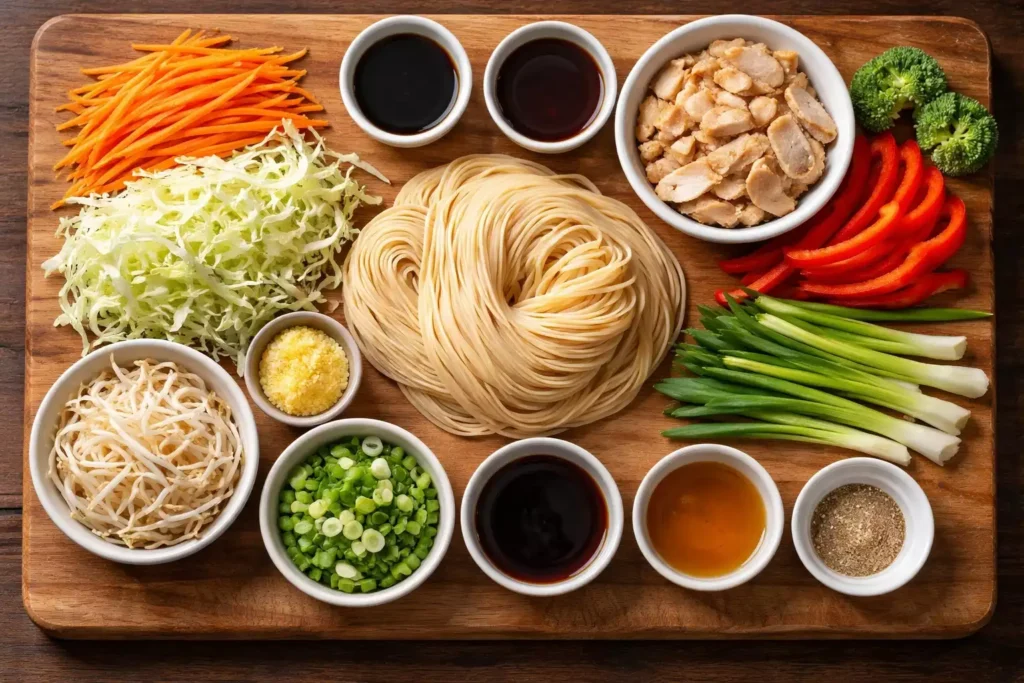
For the Noodles and Vegetables
- 300g (10 oz) fresh lo mein noodles or egg noodles (or 200g dried noodles)
- 1 medium carrot, julienned
- 2 cups (150g) cabbage, thinly shredded
- 1 cup (80g) bean sprouts
- 4 spring onions, cut into 5cm pieces
- 1 bell pepper, thinly sliced
- 3 cloves garlic, minced
- 1 tsp ginger, grated
- 2 tbsp neutral oil
- Optional: 300g cooked chicken, beef, shrimp, or tofu
For the Lo Mein Sauce
- 3 tbsp soy sauce
- 1 tbsp oyster sauce
- 1 tbsp Shaoxing rice wine
- 1 tsp sesame oil
- 1 tsp sugar
- 1 tsp dark soy sauce (for color)
- White pepper to taste
How to Make It
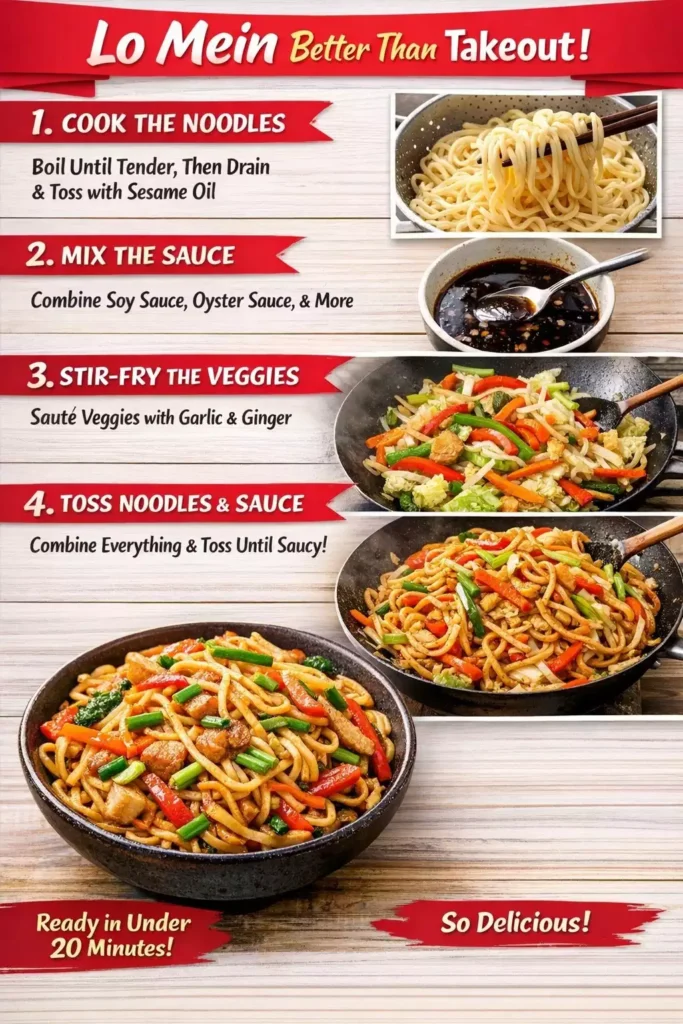
1
1Cook the Noodles
Cook the noodles according to package directions until just cooked through — they should be springy, not soft. Fresh noodles take 2–3 minutes; dried take 6–8 minutes. Drain and toss with a teaspoon of sesame oil to prevent sticking. Do not rinse with cold water — the starch on the noodle surface helps the sauce adhere.
2
2Mix the Sauce
Combine all sauce ingredients in a small bowl and stir until the sugar dissolves. Taste: should be salty, slightly sweet, and savory. The dark soy sauce deepens the color to the characteristic golden-brown of restaurant lo mein. If you do not have dark soy, use all regular soy sauce.
3
3Stir Fry the Vegetables
Heat the oil in a wok over highest heat until smoking. Add garlic and ginger, stir for 30 seconds. Add the harder vegetables first (carrot, bell pepper) and stir-fry for 60 seconds. Add cabbage and stir-fry 60 seconds more. Add bean sprouts and spring onion whites. Stir-fry 30 seconds. Add protein if using and toss to combine.
4
4Add Noodles and Sauce
Add the drained noodles to the wok. Pour the sauce over everything. Toss using tongs or two spatulas, making sure every noodle gets coated in sauce. Stir-fry for 2 minutes over high heat until the sauce is absorbed and the noodles are glossy. Add the spring onion greens. Plate and serve immediately.
Lo Mein Tips
Do not rinse the noodles. The starchy surface helps sauce cling. Rinsed noodles produce a saucier, slippier result where the sauce pools at the bottom rather than coating the noodles. Drain and toss with sesame oil instead of rinsing.
Wok heat is the difference. Lo mein at restaurant quality requires very high heat, which creates slight char notes on the vegetables (wok hei, or “breath of the wok”). At home, get your wok or largest pan as hot as possible before adding oil. Use the largest burner you have at maximum heat.
Do not add too much sauce. More is not more here. The sauce should coat the noodles, not drown them in a pool. Add the sauce gradually and taste before adding more — the soy sauce is salty and it is easy to over-season.
Serving Lo Mein
Lo mein is a complete one-bowl meal with protein and vegetables built in. Serve alongside egg drop soup for a full dinner. Pairs with beef and broccoli for a larger Chinese feast at home.
Variations Worth Trying
Shrimp lo mein. Cook marinated shrimp separately (2 minutes per side in hot oil) and add with the noodles. Shrimp lo mein is faster than chicken lo mein and equally satisfying.
Vegetable lo mein. Increase the vegetable variety — add mushrooms, bok choy, snow peas, and zucchini for a hearty vegetarian version that loses nothing without meat.
Spicy lo mein. Add a tablespoon of chili garlic sauce or sambal to the sauce. The heat works very well with the savory noodle base and creates a lo mein with genuine kick.
Storage
Refrigerate for up to 3 days. The noodles absorb the sauce and dry out slightly. Reheat in a hot wok with a splash of water or additional soy sauce to loosen. Lo mein reheats significantly better than chow mein because the noodles do not need to be re-crisped.
FAQ
What noodles should I use for lo mein?
Fresh lo mein noodles or fresh egg noodles are ideal — found in Asian grocery stores, refrigerated. Dried egg noodles work well when fresh are not available. In a pinch, spaghetti or linguine can substitute and produce a reasonable result. Avoid rice noodles — they have a completely different texture and will not absorb the sauce the same way.
What is dark soy sauce and do I need it?
Dark soy sauce is aged longer, thicker, less salty, and has a molasses-like depth. It adds the characteristic dark amber color to lo mein. Regular soy sauce alone produces a slightly paler, thinner result. Dark soy is worth buying if you make Chinese food regularly — a bottle lasts months and improves many dishes. If you do not have it, simply use regular soy sauce with no other changes.
Kasia Polish Mom
Polish-born, Chicago-raised, feeding a family of six with babcia’s recipes and a global pantry. I grew up folding pierogi at my grandmother’s kitchen table and never stopped — 15+ years of cooking from scratch, one Sunday dinner at a time. Everything here is tested on four kids, a hungry husband, and the memory of a woman who never measured anything but always got it right.