




Kasia Polish Mom
Polish-born, Chicago-raised, feeding a family of six with babcia’s recipes and a global pantry. I grew up folding pierogi at my grandmother’s kitchen table and never stopped — 15+ years of cooking from scratch, one Sunday dinner at a time. Everything here is tested on four kids, a hungry husband, and the memory of a woman who never measured anything but always got it right.
French Toast — Even Better With Leftover Chałka
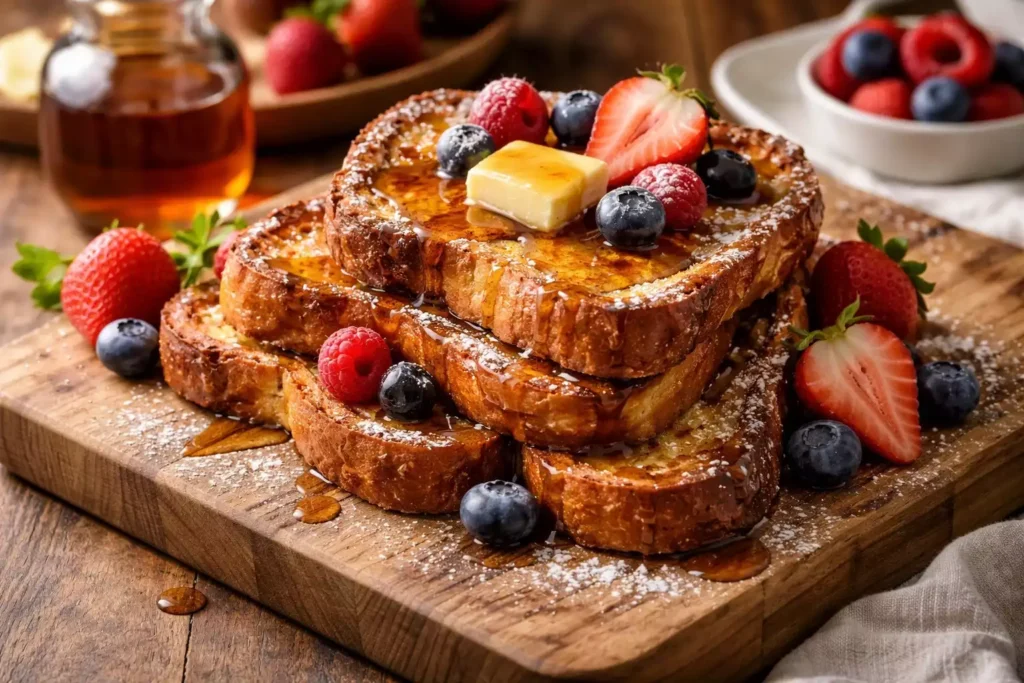
French toast is a solution to stale bread, which means it appears in kitchens worldwide under different names: pain perdu in France (lost bread, because it saves bread that was otherwise lost), arme Ritter in Germany (poor knights), and in Polish homes, we make something similar with leftover chałka that’s gone a bit dry. Every culture figured out that eggs, milk, and day-old bread create something extraordinary.
My version uses thick-cut brioche or challah, soaked properly in a vanilla-cinnamon custard, fried in butter until golden, and drowned in real maple syrup. It’s weekend breakfast at its finest — the kind of breakfast that makes everyone show up to the table on time without being called twice.
This is the recipe I make when I have leftover chałka from Friday dinner — which happens more often than you’d think because I always make too much. The slightly stale, eggy bread soaks up the custard perfectly and turns into something restaurant-worthy for the effort of about fifteen minutes.
Why This Recipe Works
Stale bread (one to two days old) is better than fresh for French toast because the moisture has evaporated, leaving more room for the custard to absorb. Fresh bread is too moist and the custard sits on the surface. Day-old brioche, challah, or chałka are ideal — their egg and butter content means even the exterior comes out richer than any other bread.
The cream in the custard makes a difference. Whole milk alone is fine, but adding cream produces a richer custard and a more golden, slightly crispier exterior. It’s a small upgrade that takes this from good to exceptional.
Ingredients
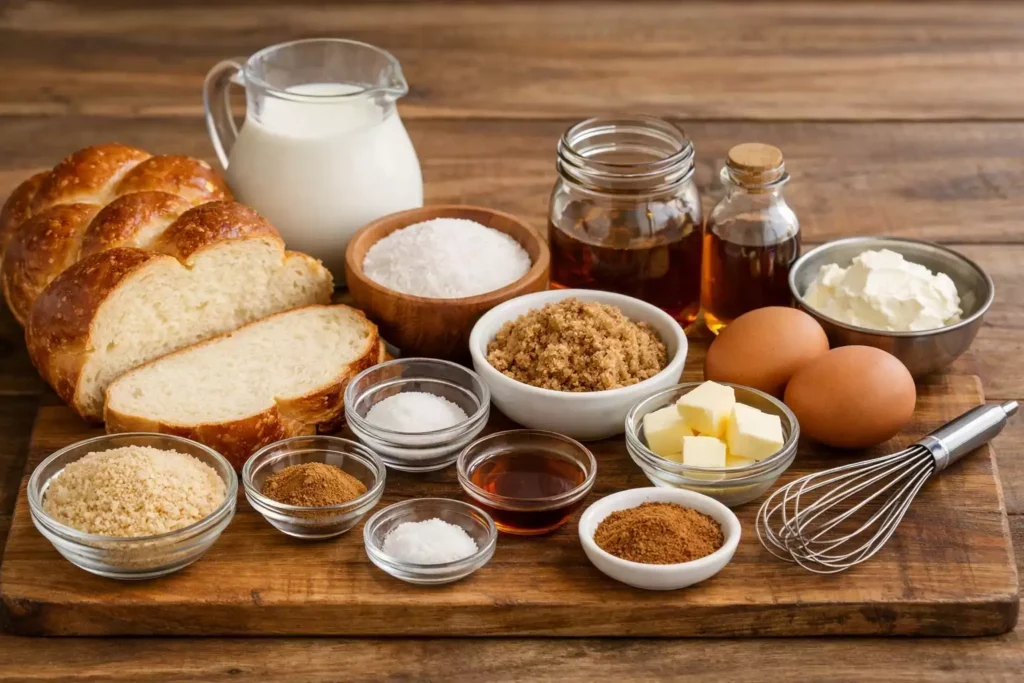
French Toast (serves 4)
- 8 thick slices (2.5cm / 1 inch) day-old brioche, challah, or chałka
- 4 large eggs
- 120ml (½ cup) whole milk
- 60ml (¼ cup) heavy cream
- 2 tablespoons sugar
- 1 teaspoon vanilla extract
- 1 teaspoon cinnamon
- Pinch of nutmeg
- Pinch of salt
- Butter for the pan
- Maple syrup, powdered sugar, and berries for serving
How to Make It

1
1Make the Custard
In a wide, shallow bowl, whisk together eggs, milk, cream, sugar, vanilla, cinnamon, nutmeg, and salt until smooth. The custard should be well-seasoned — taste it and adjust sweetness if needed.
2
2Soak the Bread
Dip each bread slice into the custard, letting it soak for 20-30 seconds per side. The bread should feel heavy and saturated but not falling apart. Press gently to encourage absorption.
3
3Cook Until Golden
Melt a generous pat of butter in a large skillet over medium heat. When the foam subsides, add the soaked bread slices. Cook 3-4 minutes per side until deeply golden brown. The inside should be custardy, the outside slightly crispy.
4
4Serve Immediately
Serve right away in stacks of two. Dust with powdered sugar, add fresh berries, and serve maple syrup in a small pitcher. French toast cools quickly — serve promptly.
My Kitchen Secrets
Day-old bread is mandatory. Fresh bread absorbs custard only at the surface. Stale bread absorbs it all the way through, producing that custardy interior that makes French toast special.
Medium heat, patience. High heat burns the exterior before the interior sets. You want time for the egg to cook through while achieving that perfect golden crust.
Don’t skip the cream. The combination of milk and cream produces a richer result than milk alone. It’s worth it.
Serving French Toast
The classic trio: maple syrup, powdered sugar, fresh berries. Whipped cream takes it to brunch territory. Crispy bacon on the side provides the salty contrast that makes the sweet components taste even better. For a full weekend spread, serve alongside eggs and sausage.
Variations Worth Trying
Stuffed French toast. Slice thick bread to create a pocket. Fill with cream cheese and jam (or Nutella and banana), seal edges, then soak and fry. Over-the-top brunch for special occasions.
Overnight French toast. Arrange soaked slices in a baking dish, refrigerate overnight. Bake at 180°C (350°F) for 30-35 minutes in the morning. Perfect for feeding a crowd.
Savory version. Omit sugar, vanilla, cinnamon. Add salt, pepper, parmesan, fresh herbs. Serve with a fried egg on top. Underrated and delicious.
Storage and Reheating
French toast is best fresh. Leftovers can be refrigerated for 1 day and reheated in a toaster or 180°C oven for 5 minutes. The custardy interior won’t be quite as good as fresh, but it’s acceptable.
FAQ
Why is my French toast eggy on the outside?
Usually the custard wasn’t mixed well (unincorporated egg white on surface), bread was over-soaked, or pan wasn’t hot enough. Whisk thoroughly, soak appropriately, and make sure the butter foams before adding bread.
What’s the best bread for French toast?
Brioche, challah, or any enriched bread with eggs and butter works best. Thick-sliced (2-3cm) day-old bread is ideal. Regular sandwich bread works but produces a thinner, less custardy result.

Kasia Polish Mom
Polish-born, Chicago-raised, feeding a family of six with babcia’s recipes and a global pantry. I grew up folding pierogi at my grandmother’s kitchen table and never stopped — 15+ years of cooking from scratch, one Sunday dinner at a time. Everything here is tested on four kids, a hungry husband, and the memory of a woman who never measured anything but always got it right.