
Kasia Polish Mom
Polish-born, Chicago-raised, feeding a family of six with babcia’s recipes and a global pantry. I grew up folding pierogi at my grandmother’s kitchen table and never stopped — 15+ years of cooking from scratch, one Sunday dinner at a time. Everything here is tested on four kids, a hungry husband, and the memory of a woman who never measured anything but always got it right.
Korean Beef Bowl — Bulgogi Over Rice in 20 Minutes
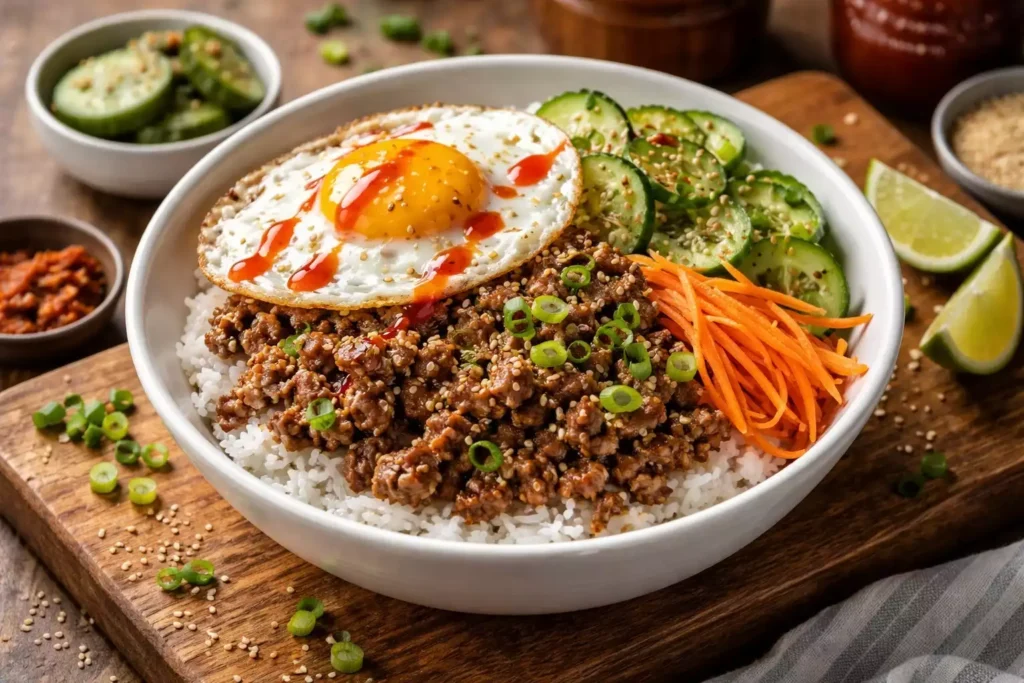
The day I realised Polish pickled cucumber skills transfer directly to Korean cooking was one of the best days of my life. In Poland, we pickle cucumbers as naturally as breathing. In Korea, they make quick-pickled cucumbers (oi-muchim) as a banchan side. Same technique, different seasoning, same spirit. When I started making Korean beef bowls at home, I substituted my Polish pickled cucumber method for the Korean one, and the result was a dish that bridges two cuisines I love through the universal medium of vinegar and cucumbers.
Korean beef bowls — essentially deconstructed bulgogi over rice — are a 20-minute dinner that tastes like it took all afternoon. Ground beef (cheaper and faster than sliced steak), a sweet-savoury sauce of soy, sesame, ginger, and brown sugar, served over steamed rice with quick pickled cucumbers, shredded carrots, and a drizzle of sriracha. It’s become one of our most-requested weeknight dinners. My boys eat it with enthusiasm usually reserved for pizza night. That’s the highest metric of success in this household.
Ingredients
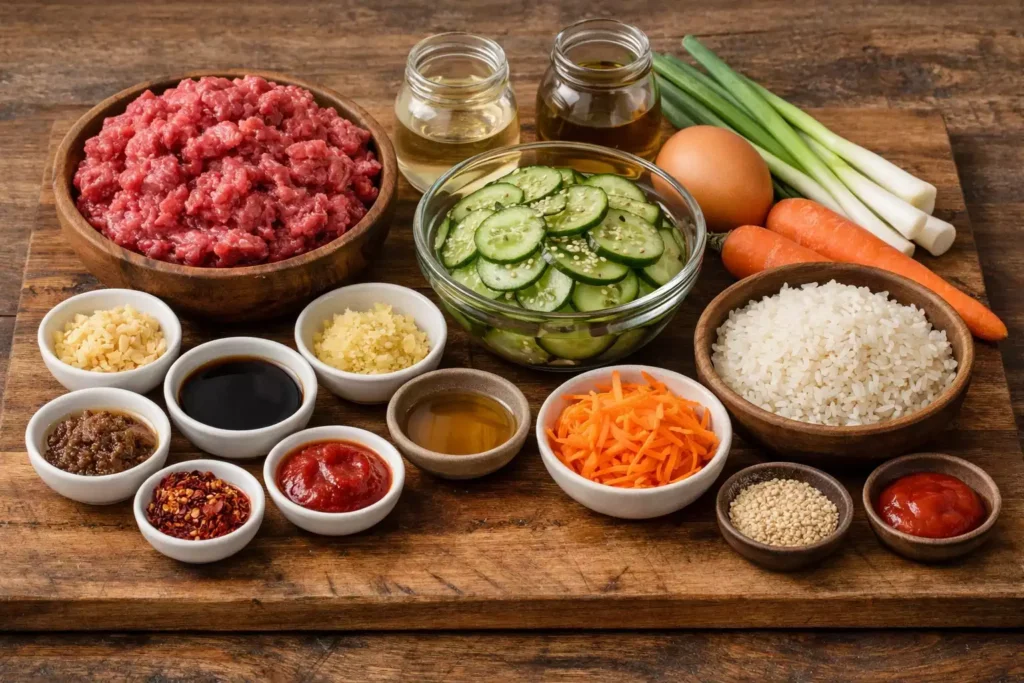
For the Beef
- • 1 pound ground beef
- • 4 cloves garlic, minced
- • 1 tablespoon fresh ginger, grated
- • 1/4 cup soy sauce
- • 2 tablespoons brown sugar
- • 1 tablespoon sesame oil
- • 1 tablespoon rice vinegar
- • Red pepper flakes or gochujang to taste
For the Quick Pickled Cucumbers
- • 1 large cucumber, thinly sliced
- • 2 tablespoons rice vinegar
- • 1 teaspoon sugar
- • 1/2 teaspoon sesame oil
- • Pinch of salt
- • Sesame seeds
For Serving
- • Steamed jasmine rice
- • Shredded carrots
- • Sliced green onions
- • Sriracha or gochujang
- • Fried egg (highly recommended)
How to Make It
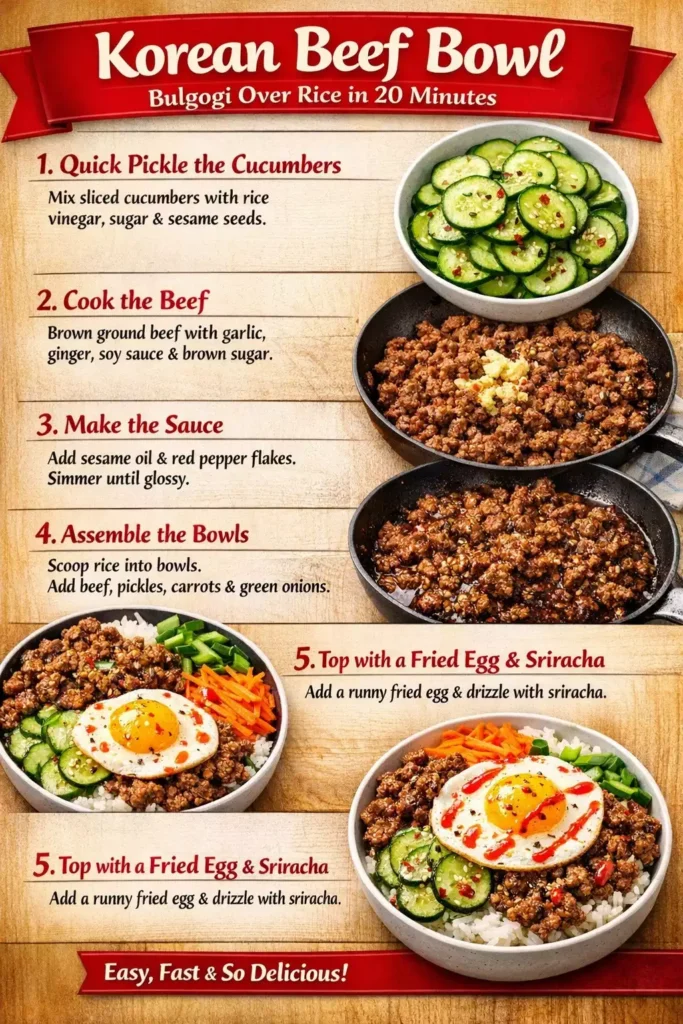
Quick Pickle the Cucumbers
Thinly slice the cucumber (mandoline if you have one — same tool I use for mizeria). Toss with rice vinegar, sugar, sesame oil, salt, and sesame seeds. Let sit while you cook the beef — even 10 minutes gives you a bright, tangy, crunchy topping. The technique is almost identical to making mizeria — slice thin, add acid, let it marinate. Polish pickling skills: transferable across continents.
Cook the Beef
Brown the ground beef in a skillet over medium-high heat, breaking it into small crumbles, for 5-6 minutes. Drain excess fat. Add garlic and ginger — 30 seconds. Add soy sauce, brown sugar, sesame oil, and rice vinegar. Stir and cook 3-4 minutes until the sauce thickens and coats the beef. It should be glossy and sticky, not soupy. Add red pepper flakes or a spoonful of gochujang for heat.
Assemble the Bowls
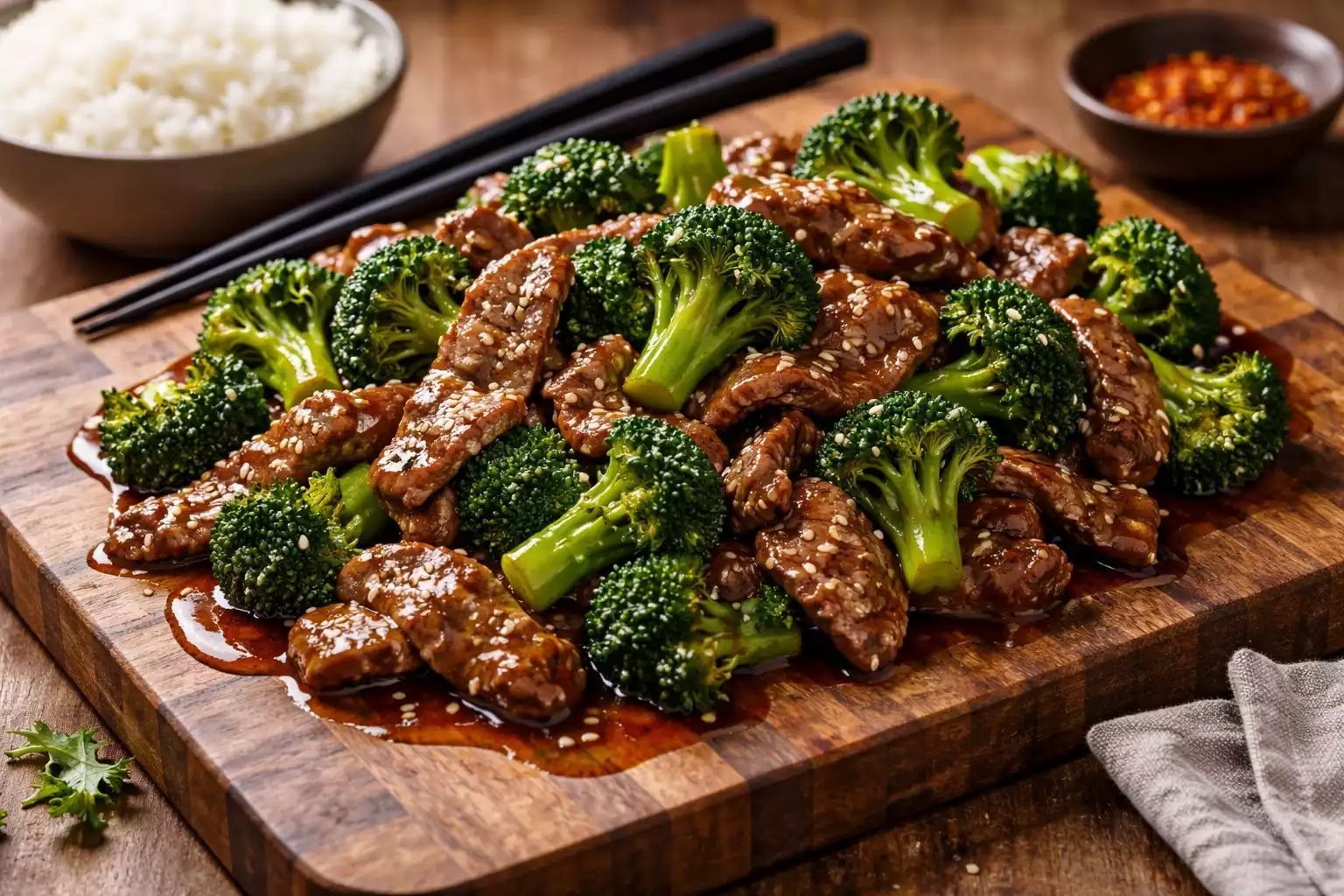
Scoop rice into bowls. Top with the saucy beef, pickled cucumbers, shredded carrots, and sliced green onions. Add a fried egg with a runny yolk if you’re living right. Drizzle sriracha or gochujang on top. The bowl should look colourful, messy, and like a magazine photo that went slightly off-script. That’s the aesthetic we’re going for.
The Pickle Connection
Making quick pickled cucumbers for Korean food felt like coming home. The process — thin slices, salt, acid, rest — is exactly what I do for Polish ogorki and mizeria. Korean cuisine and Polish cuisine both understand that tangy, pickled vegetables are the perfect sidekick to rich, savoury meat. In Poland, it’s sauerkraut and pickles alongside kielbasa. In Korea, it’s kimchi and pickled vegetables alongside bulgogi. Same principle, different spice cabinets. As someone who grew up in one tradition and fell in love with the other, this overlap feels personal. It’s why “where pierogi meet pad thai” isn’t just a tagline — it’s genuinely how I experience food.
Tips
💡 Pro Tips
✓ Small crumbles are key. Break the beef into tiny pieces as it browns. Big chunks don’t absorb the sauce well and feel wrong in a rice bowl.
✓ Let the sauce reduce. It should be thick and sticky, not pooling at the bottom of the pan. If it’s too liquid, cook another 2 minutes uncovered.
✓ Runny egg makes it. The yolk becomes part of the sauce when you break it. It adds richness that ties everything together.
✓ Jasmine rice absorbs flavour better. Short-grain or jasmine rice works best — they’re stickier and catch the sauce. Long-grain rice is too separate and dry for this dish.
Variations
• With chicken: Ground chicken or turkey works. Less rich than beef but still flavourful with the sauce.
• Bibimbap-style: Add sauteed spinach, mushrooms, and zucchini alongside the beef. Top with gochujang and mix everything together. Full Korean bowl experience.
• Lettuce wraps: Skip the rice, serve the beef in butter lettuce cups. Lower carb, still all the flavour.
How to Store
Beef keeps 4 days in the fridge. Store pickled cucumbers separately — they get softer but stay tasty for 3 days. Rice stores separately too. Reheat the beef in a skillet, make fresh pickles (they take 2 minutes), and assemble fresh bowls. Great meal prep — cook the beef and rice on Sunday, assemble bowls all week.
Frequently Asked Questions
Can I use steak instead of ground beef?
Yes — thin-sliced flank steak or sirloin, marinated in the same sauce for 30 minutes, then seared over high heat. It’s closer to real bulgogi and arguably tastier, but takes more prep. Ground beef is the weeknight shortcut that gets 90% of the flavour with 50% of the effort.
Is this kid-friendly?
The sauce without added heat is sweet and savoury — kid-friendly territory. My boys eat it enthusiastically. Skip the gochujang/sriracha for younger eaters and add it to adult portions. The pickled cucumbers are mild enough that even my vegetable-skeptical daughter eats them (the sesame seeds help — she considers them “the crunchy things” and approves).
How Korean Beef Bowls Entered Our Rotation
I stumbled on Korean beef bowls during a phase when I was trying to expand our dinner repertoire beyond Polish food and American comfort. My boys were getting bored with the rotation, and I was getting bored cooking it. So I set a personal challenge: one new cuisine per week for a month. Week one was Korean, and this beef bowl was the recipe that stuck. It was faster than most of our regular dinners, the ingredients were pantry-friendly, and when I put the bowls on the table, all four kids ate without a single question about “what’s in this.” That’s the gold standard. When children eat without interrogating the ingredients, you’ve found a keeper. Korean beef bowls have been in our weekly lineup ever since, right between marry me chicken Mondays and pad thai Fridays.
More From Polish Mom
Gołąbki (Stuffed Cabbage Rolls) · Polish Sausage and Sauerkraut Skillet · Marry Me Chicken · Creamy Tomato Garlic Pasta
Kasia Polish Mom
Polish-born, Chicago-raised, feeding a family of six with babcia’s recipes and a global pantry. I grew up folding pierogi at my grandmother’s kitchen table and never stopped — 15+ years of cooking from scratch, one Sunday dinner at a time. Everything here is tested on four kids, a hungry husband, and the memory of a woman who never measured anything but always got it right.