
Kasia Polish Mom
Polish-born, Chicago-raised, feeding a family of six with babcia’s recipes and a global pantry. I grew up folding pierogi at my grandmother’s kitchen table and never stopped — 15+ years of cooking from scratch, one Sunday dinner at a time. Everything here is tested on four kids, a hungry husband, and the memory of a woman who never measured anything but always got it right.
American Comfort Food Recipes That Fix Everything
I moved to America from Poland and spent my first year trying to figure out what American food actually was. Not the tourist version — hot dogs and apple pie — but what Americans actually cooked at home, on weeknights, for their families. The answer, I discovered, was this: biscuits and gravy on Saturday morning. Chili and cornbread when it got cold. Fried chicken for Sunday dinner. Meatloaf that made the whole house smell like comfort. Mac and cheese as both side dish and main course depending on who was asking. Pot pie when you wanted something that took all afternoon and fed everyone for two days.
American comfort food is not a cuisine in the technical sense. It is a collection of regional traditions — Southern, Midwestern, New England, Tex-Mex — that became national staples through shared culture, diner menus, and the kind of slow cross-pollination that happens when a country of immigrants cooks for each other across generations. My husband is from the Midwest. His mother made meatloaf every Tuesday. He considers mashed potatoes a fundamental right. I grew up with kopytka and kotlet schabowy. We now make both. Our kids eat everything.
This is the American collection I have built over years of cooking in Chicago — twenty recipes, tested in a household with four strong opinions and one rule: it has to be better than going out. Every recipe in this collection passes that test.
Southern Classics
The American South has produced some of the most influential comfort food in American cooking. Fried chicken, biscuits, cornbread, coleslaw — each is a craft with a correct technique and a wrong one. The correct technique is in these recipes. The wrong technique is everywhere else.
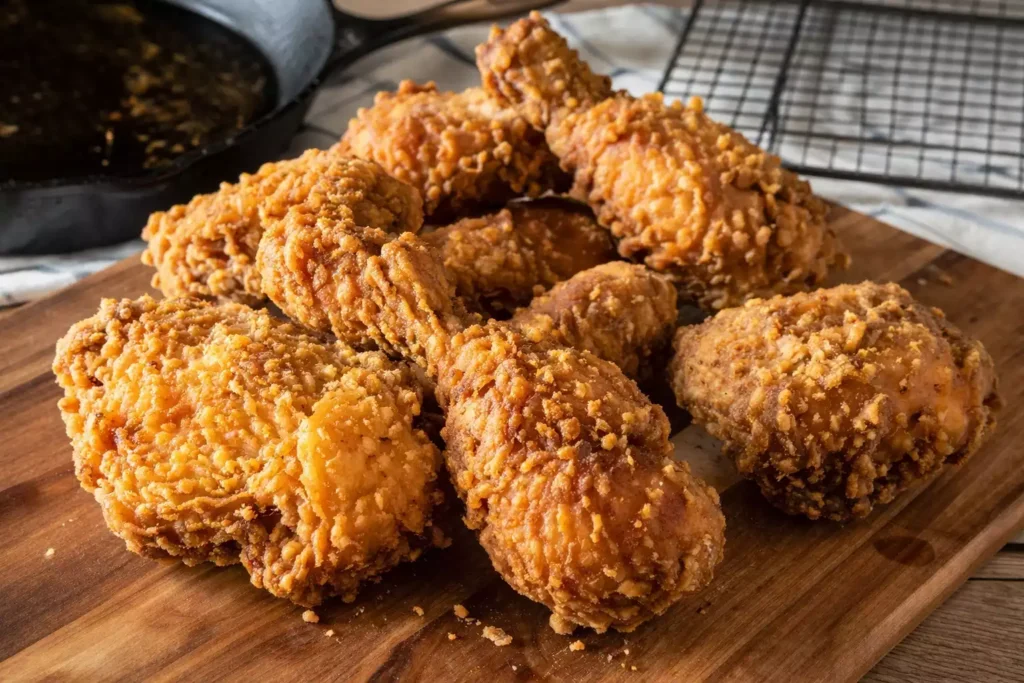
Southern Fried Chicken
Buttermilk-brined, double-dredged, cast-iron fried. The crust shatters when you bite it. The interior is juicy from the brine. My mother-in-law — who has been making fried chicken for forty years — called mine “very good.” In her scoring system, that is a standing ovation.
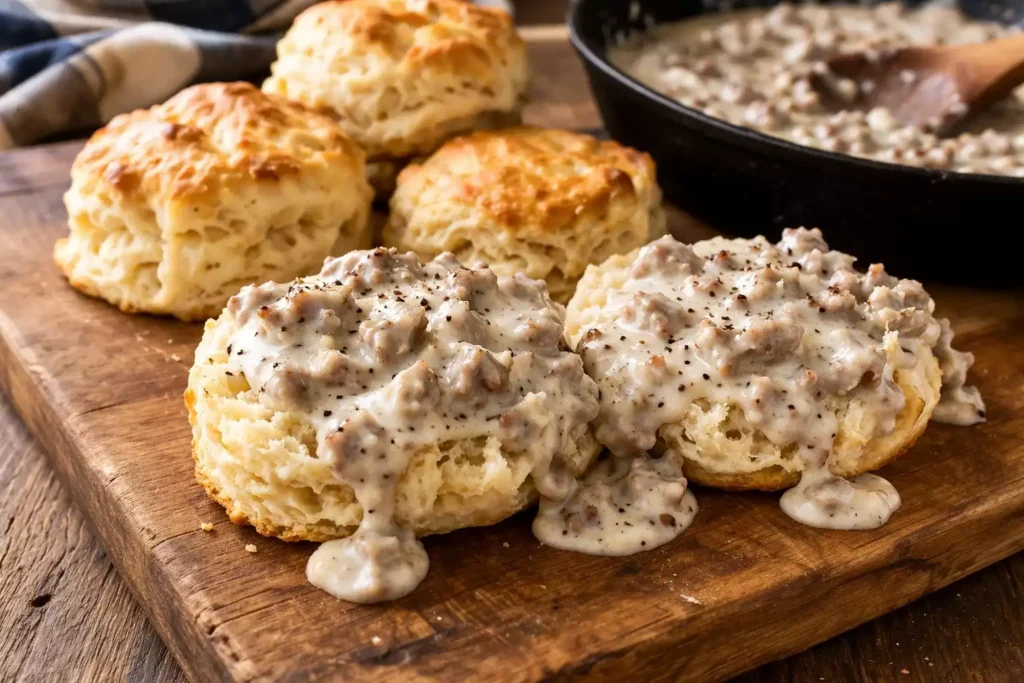
Biscuits and Gravy
Fluffy buttermilk biscuits smothered in peppery sausage gravy. My husband asked why we hadn’t been eating this our entire marriage after the first time I made it. I had no good answer. We make it every Saturday now.
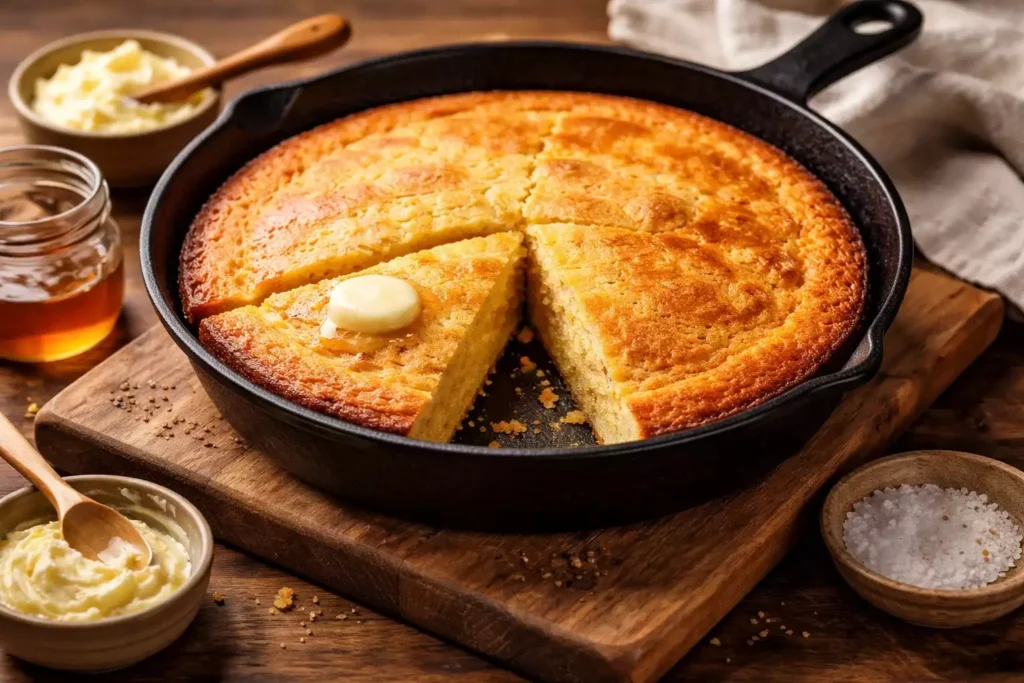
Southern Cornbread
Cast-iron baked, buttermilk-based, savory. The preheated skillet creates a crispy, caramelized bottom that cannot happen in any other pan. The version that earns its place next to chili, fried chicken, or a bowl of soup. My position on the sweet-vs-savory debate: documented and firm.
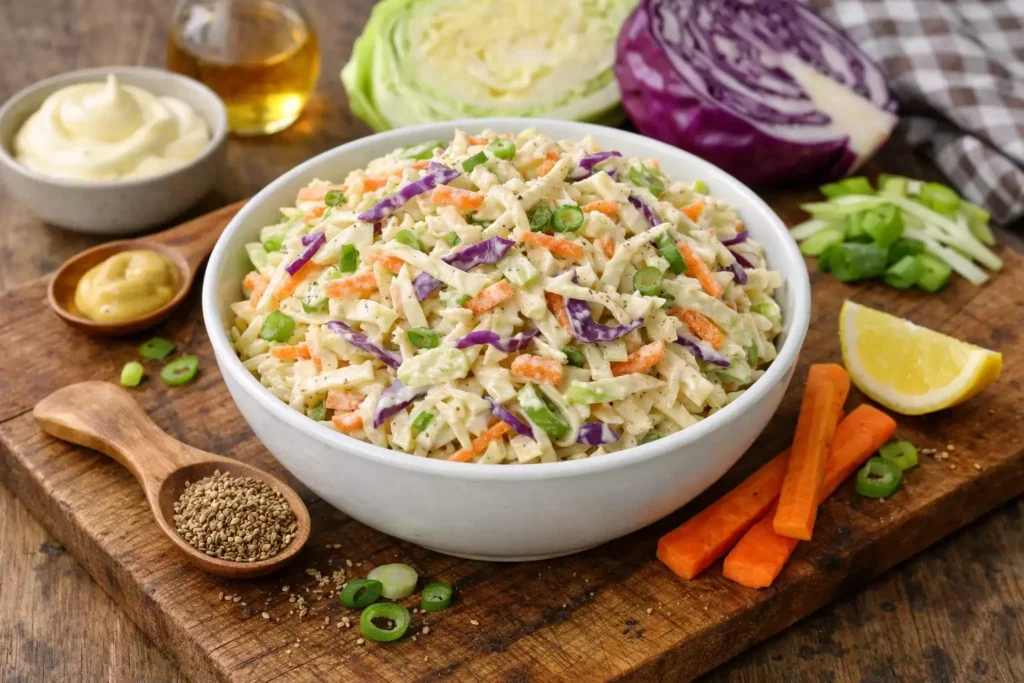
Creamy Coleslaw
Salt-drained cabbage, apple cider vinegar dressing, and none of the watery pooling at the bottom of the bowl that makes bad coleslaw bad. Crisp after four hours. The side dish that goes with everything and makes everything better. My version. My rules.
The Big Comfort Mains
Beef stew, meatloaf, chicken pot pie, pulled pork — these are the dishes that define American comfort cooking at its most serious. Not fast food. Not 30-minute meals. Dishes that take Sunday afternoon and produce something that feeds the family through Monday and sometimes Tuesday. The dishes that fill the house with a smell that makes everyone feel like they live somewhere warm and well-fed.
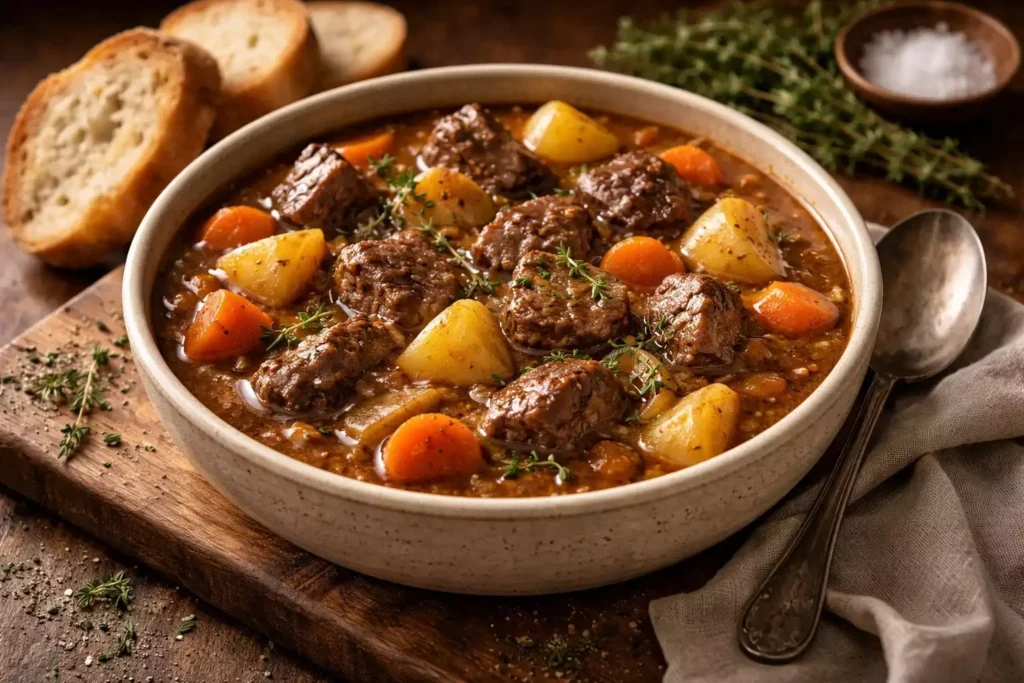
Classic Beef Stew
Fork-tender beef chuck, root vegetables, and a broth that takes 2.5 hours to earn its depth. Twenty minutes of active cooking, everything else is time. The stew that improves overnight and tastes better on Monday than it did on Sunday. My family’s cold-weather staple.
Classic Meatloaf
80/20 beef, a milk-soaked breadcrumb panade for moisture, and a ketchup-brown sugar glaze that caramelizes into a sticky lacquer in the oven. Meatloaf has a reputation problem it does not deserve. This recipe corrects it. My husband, who is from the Midwest, wept slightly the first time I made it correctly.
Chicken Pot Pie
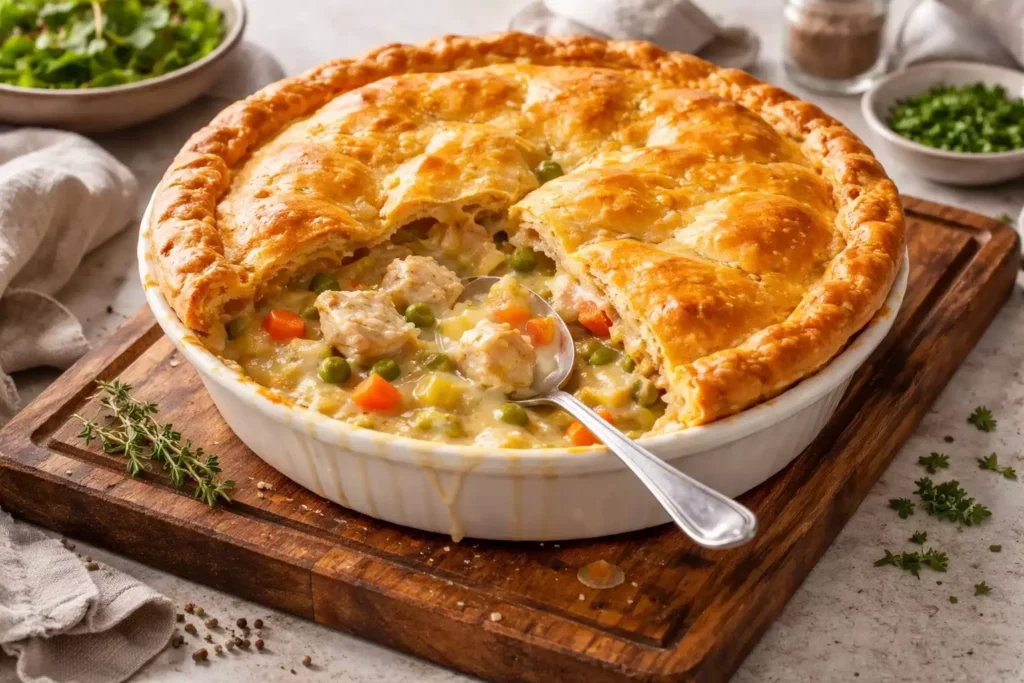
Homemade butter pastry, creamy chicken and vegetable filling, and the moment when the crust breaks and steam escapes and the kitchen smells like everything good. The Sunday project that makes Saturday dinner worth waiting for. Leftovers improve on day two.
Pulled Pork
Dry-rubbed pork shoulder, low oven for 8-10 hours, pulled into smoky tender shreds and piled onto brioche buns with coleslaw. I made this for forty people last summer. There were no leftovers. This is the only data point you need about this recipe.
The Chili and Dip Collection
Game day, potluck, winter evening — these are the recipes that belong on a table surrounded by people. Chili and cornbread. Buffalo chicken dip with a chip and a crowd. Potato skins hot from the oven. The foods that do not require plates or forks and that produce the kind of communal eating experience that is the whole point of gathering in the first place.
Classic Beef Chili
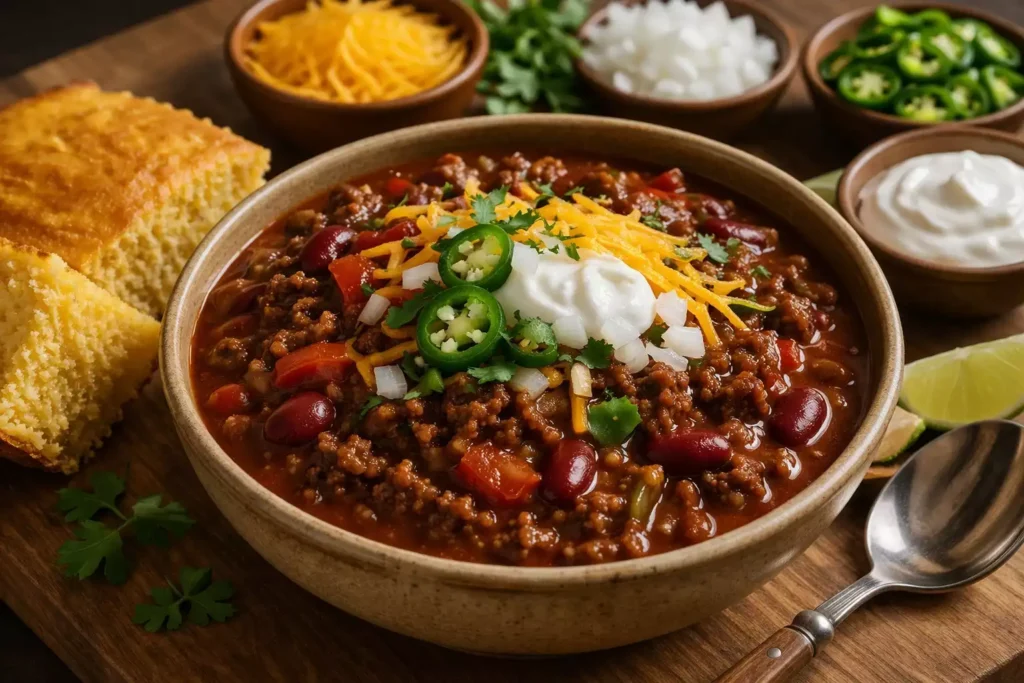
Ground beef, kidney beans, bloomed spices, whole tomatoes, and a minimum of one hour of simmering (two is better, the next day is best). The chili I make on Sundays and eat through Tuesday. The recipe I double every time because single-batch chili is a myth in my household.
Buffalo Chicken Dip
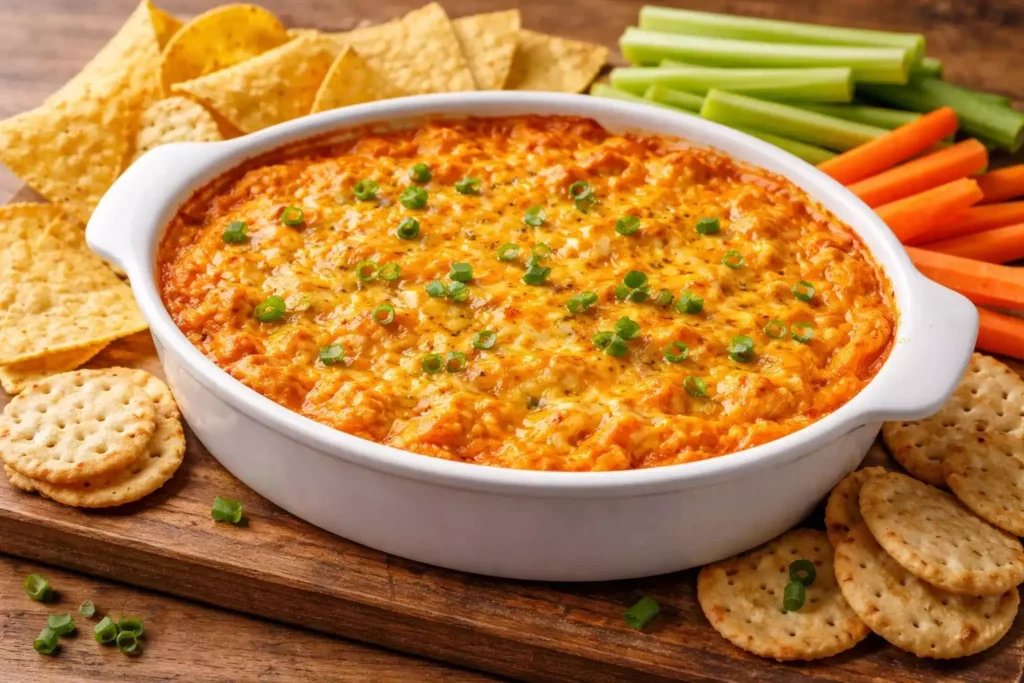
Shredded chicken, cream cheese, Frank’s RedHot, ranch, cheddar, baked until bubbling. I bring this to every gathering and I bring the dish home empty. Every time. My Polish family has adopted it completely. My Chicago friends consider it mandatory. Thirty minutes, five ingredients.
Potato Skins
Double-baked Russet shells loaded with sharp cheddar, crispy bacon, and a spoonful of sour cream. The double-bake is what makes the shell firm and slightly caramelized rather than soft and collapsing. My husband eats four before dinner and then asks when dinner is. Successful appetizer.
Salads That Earn Their Place
Two American salads that are actually complete meals: the Caesar with grilled chicken, and the Cobb with its signature row arrangement of bacon, blue cheese, avocado, and egg. Both are the salads my family eats without complaint because both contain sufficient protein, fat, and flavor to constitute dinner. A salad that leaves you looking for a snack thirty minutes later has failed. These have not failed.
Chicken Caesar Salad
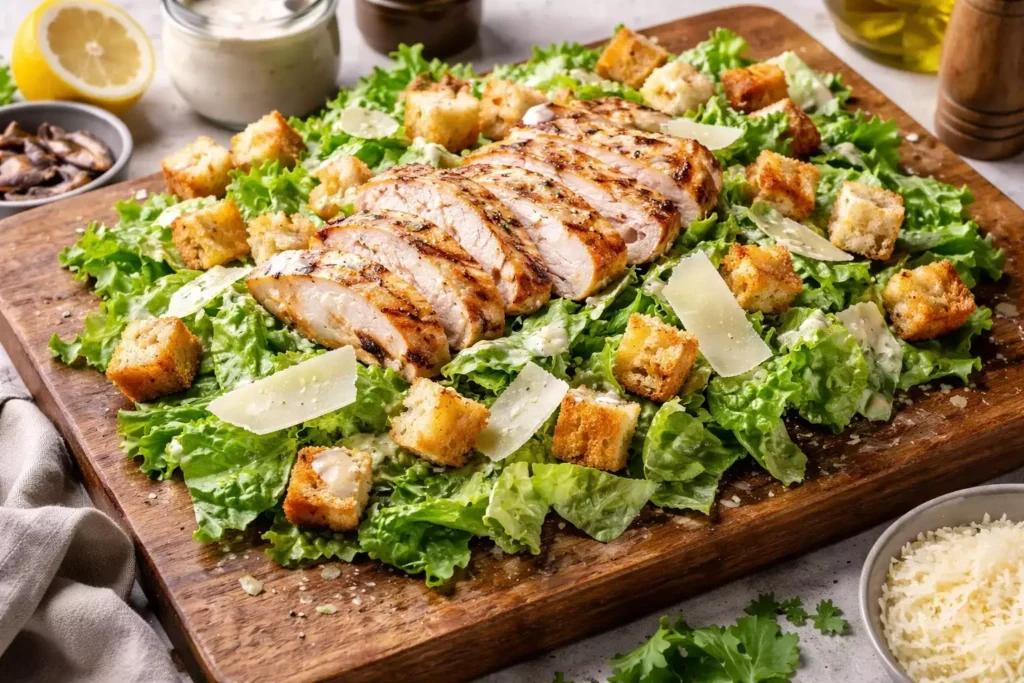
With a real caesar dressing made from anchovies, garlic, egg yolk, lemon, and Parmesan — not a bottle. Once you make the dressing from scratch, you will never buy the bottle again. This sentence is not a marketing claim. It is a statement of quality that anyone who makes this recipe will verify in five minutes.
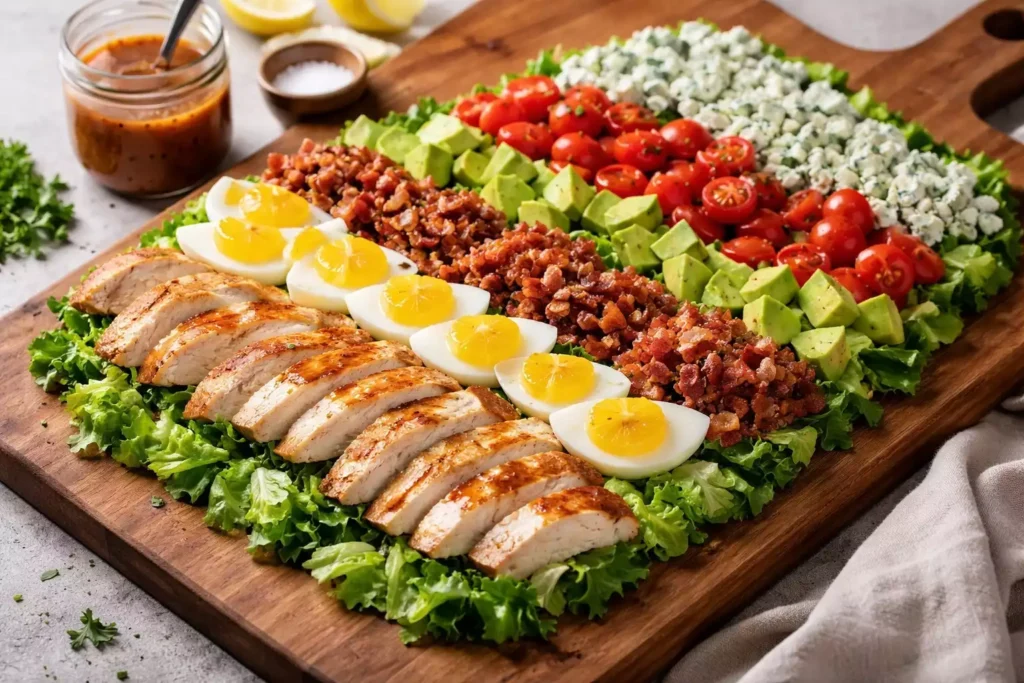
Cobb Salad
Arranged in rows as the original Brown Derby version was in 1937: grilled chicken, crispy bacon, hard-boiled egg, avocado, blue cheese, tomato, romaine. Red wine vinaigrette on the side. The salad I make when I want to eat healthy but also want bacon. These goals are compatible.
Soups and Sides
New England clam chowder — the cream-based version, the correct version — and creamy mashed potatoes that earn the adjective. The two sides of American comfort food that require technique: the chowder technique is not burning the cream after it goes in; the mashed potato technique is not overworking them after the fat goes in. Both mistakes are common. This is why technique is discussed in these recipes at length.
New England Clam Chowder
Cream-based, clam-forward, with bacon, potatoes, and thyme. The version with actual clams, actual cream, and the actual technique for keeping cream soups from breaking. My position on Manhattan clam chowder is on record and will not be revised.
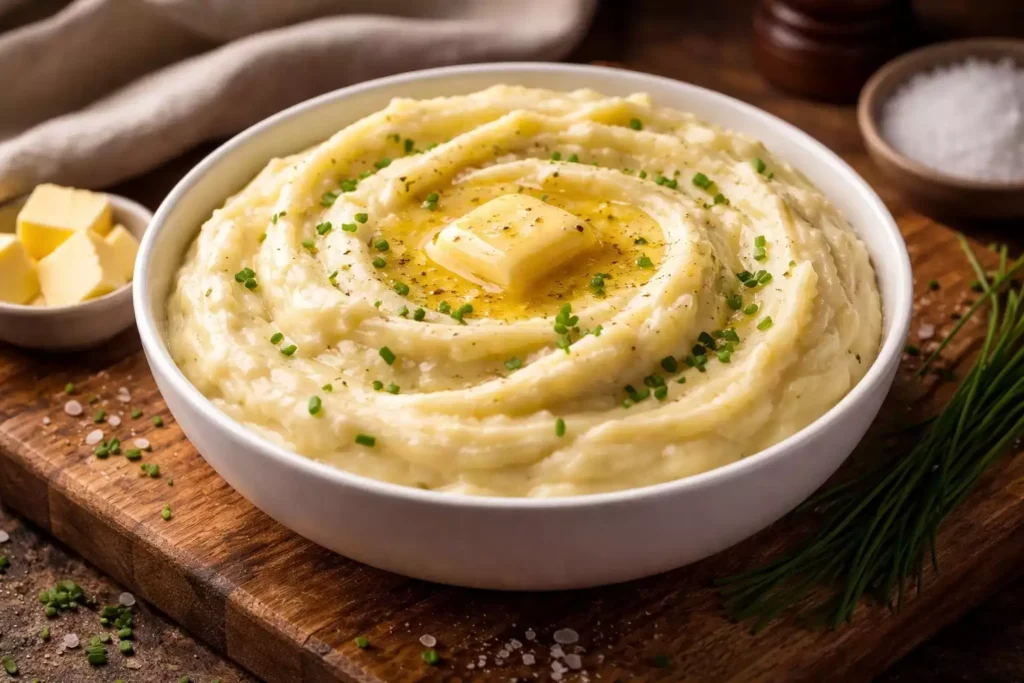
Creamy Mashed Potatoes
Riced Yukon Gold potatoes, hot butter, hot cream, enough salt to taste the potato underneath all the fat. My kids would eat a bowl of these plain with a spoon. I am Polish, I grew up eating mashed potatoes, and these are the best ones I make. That is the only endorsement that matters.
Classic Mac and Cheese
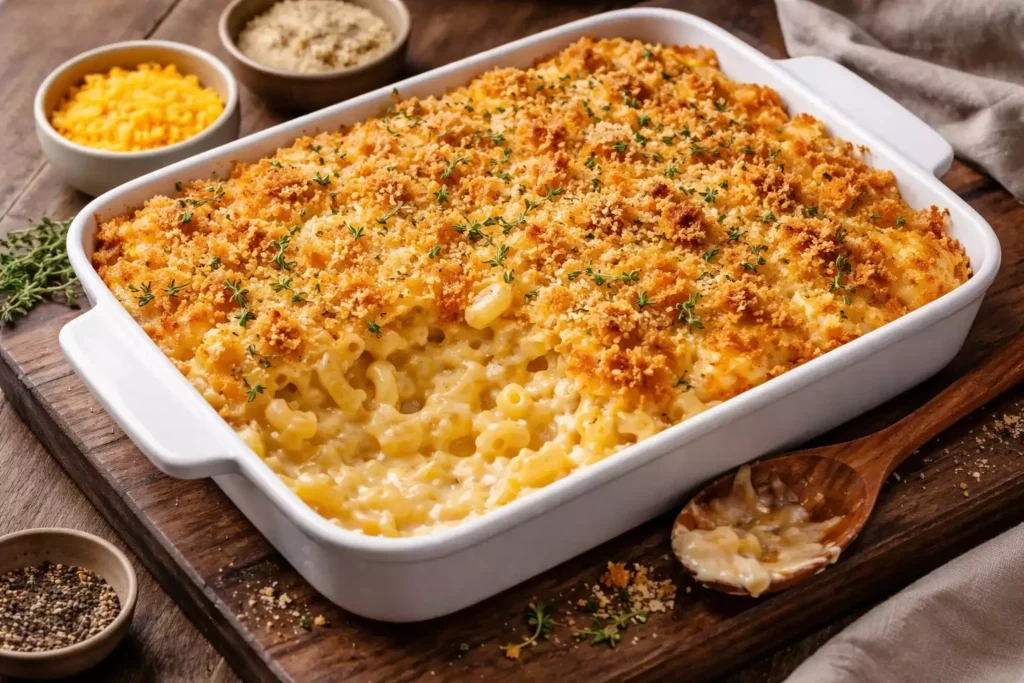
Béchamel base, freshly grated sharp cheddar and Gruyère, panko breadcrumb crust that shatters when the spoon hits it. My kids asked me to stop making the box version after the first time I made this. I am genuinely proud of that outcome.
Weekend Breakfasts
Saturday morning in my house is pancakes. It has been pancakes for years and it will continue to be pancakes because pancakes are the only food that reliably stops all four of my children from arguing about everything simultaneously. French toast is Sunday’s version of the same peace treaty. Both are made from scratch. Both take thirty minutes. Both are worth every Saturday and Sunday of the year.
Classic Buttermilk Pancakes
Thick, fluffy, golden-edged, and made with real buttermilk that reacts with baking soda and produces the fluffiness that regular-milk pancakes cannot achieve. Three rules: use buttermilk, rest the batter, do not overmix. Everything else is optional. These rules are not.
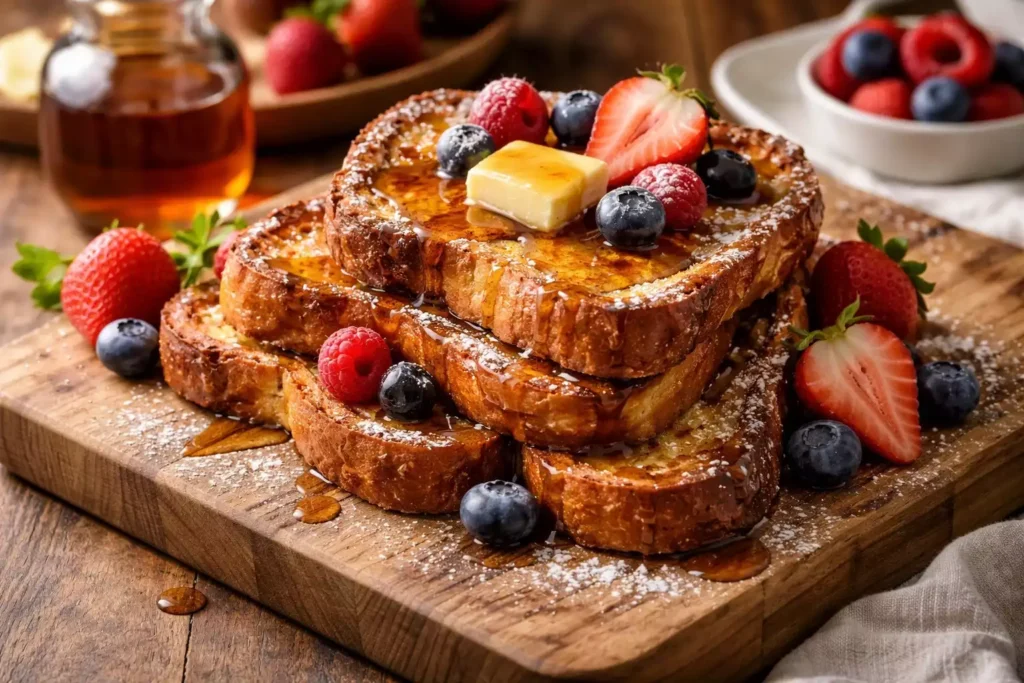
French Toast
Day-old brioche soaked in a vanilla-cinnamon-cream custard, fried in butter until golden and custardy inside. The bread matters: brioche produces a different result than sandwich bread, and the difference is the entire point of making this recipe instead of settling for the adequate version.
The Classics: Burger and Dessert
Classic Smash Cheeseburger
80/20 beef smashed flat on a screaming-hot cast iron, caramelized on one side, flipped, American cheese melted over the edges, served on a toasted potato bun with special sauce and pickles. The American cheeseburger is a perfect food. I say this as someone who moved here from Poland and discovered this independently and without bias.
Banana Pudding
Layers of vanilla wafers, fresh banana slices, and homemade vanilla custard, topped with whipped cream and chilled overnight until the wafers transform into something cake-like and extraordinary. The dessert I brought to my first American potluck. The reason I was invited back.
Kasia’s American Comfort Food Tips
Cast iron for everything that needs to be crispy. Fried chicken, smash burgers, cornbread, potato skins — cast iron maintains the high temperature and produces the caramelization that non-stick pans cannot. A well-seasoned cast iron skillet is the most useful piece of equipment in a comfort food kitchen. Buy one. Use it for everything. It improves with age.
The overnight improvement is real. Chili, beef stew, pulled pork, meatloaf — every slow-cooked savory dish in this collection tastes noticeably better the day after it was made. Flavors meld, sauces deepen, everything becomes more integrated. If you can make these dishes the day before you plan to serve them, do it. This is one of the most practically useful cooking tips I know.
Fat percentage matters in ground beef. 80/20 ground beef (80% lean, 20% fat) is the correct choice for meatloaf, chili, and smash burgers. Lean beef produces dry, flavorless versions of all three. The fat provides moisture during cooking, flavor throughout, and the sizzle that makes a smash burger a smash burger. Buy 80/20.
Make the dressing from scratch. Caesar dressing, special sauce, ranch — all are better made fresh than from a bottle. The bottle versions are shelf-stable products designed to last months. Fresh dressing is made from ingredients that taste like themselves. The quality difference is significant and the time difference is about five minutes. Make the dressing.
Use a meat thermometer. The difference between a perfectly juicy fried chicken thigh and a dry one is 8 degrees of internal temperature. The difference between a moist meatloaf and an overcooked one is similar. A thermometer removes guesswork and produces consistently better results than any timing estimate. It costs five dollars and solves most overcooked-meat problems permanently.
Frequently Asked Questions
What makes American comfort food different from other cuisines?
American comfort food is defined more by feeling than by technique — it is food designed to be filling, warming, and familiar. The techniques draw from multiple traditions: Southern frying, New England chowder-making, Midwestern casserole assembly, Texas barbecue. What unifies them is the goal: food that tastes like home, that feeds a crowd, that improves with time, and that leaves people satisfied in a way that goes beyond fullness. It is food that carries memory and association, which is why it is called comfort food rather than just food.
What equipment do I need for American comfort food cooking?
A 10-12 inch cast iron skillet (essential for fried chicken, cornbread, smash burgers). A large Dutch oven or heavy pot (for stew, chili, braises). A meat thermometer (for everything involving internal temperature). A wire rack over a baking sheet (for draining fried foods). A potato ricer (for perfect mashed potatoes). A 9×13 baking dish (for mac and cheese, meatloaf, banana pudding). This is the complete equipment list for this collection and represents a modest, practical kitchen setup.
Which recipes in this collection are best for a crowd?
Buffalo chicken dip (scales infinitely, zero active time at serving). Pulled pork (2.5kg feeds 10 on buns with coleslaw). Classic beef chili (doubles or triples easily, improves overnight). Banana pudding (the 9×13 dish feeds 15 and must be made ahead). Creamy coleslaw (scales directly, holds for hours). For a game day table, start with dip and skins as the crowd arrives, serve chili and cornbread as the main event, and banana pudding as the dessert.
Which recipes can I make ahead?
Almost all of them, and most improve from it. Chili, beef stew, pulled pork, and meatloaf are all better the next day. Banana pudding must be made at least 4 hours ahead (overnight preferred). Coleslaw can be made 4-6 hours ahead. Buffalo chicken dip assembles fully a day ahead and bakes on demand. Biscuits dough can be cut and refrigerated overnight, baked from cold with 2 extra minutes of baking time. Buttermilk biscuit gravy can be made ahead and reheated gently. The make-ahead column for this collection is longer than the make-fresh column.
As a Polish person, what surprised you most about American comfort food?
How much technique is involved in things that look simple. Fried chicken looks like you just fry chicken. It is actually about brine time, double dredging, oil temperature monitoring, and wire-rack resting. Mashed potatoes look like you just mash potatoes. They are about starting in cold water, heating the fat separately, and not overworking after combination. Every recipe in this collection has a technique that separates the excellent version from the adequate one. American comfort food is not simple food — it is food that looks simple and rewards the effort to make it correctly.
All American Comfort Food Recipes
Biscuits and Gravy
Southern Fried Chicken
Chicken Caesar Salad
Creamy Mashed Potatoes
Classic Beef Stew
Buffalo Chicken Dip
Cobb Salad
Southern Cornbread
Classic Beef Chili
Creamy Coleslaw
Potato Skins
New England Clam Chowder
Classic Mac and Cheese
Classic Meatloaf
Classic Buttermilk Pancakes
French Toast
Chicken Pot Pie
Pulled Pork
Classic Smash Cheeseburger
Banana Pudding
Related collections: Chinese Recipes · Comfort Food Recipes · Easy Dinner Recipes
Kasia Polish Mom
Polish-born, Chicago-raised, feeding a family of six with babcia’s recipes and a global pantry. I grew up folding pierogi at my grandmother’s kitchen table and never stopped — 15+ years of cooking from scratch, one Sunday dinner at a time. Everything here is tested on four kids, a hungry husband, and the memory of a woman who never measured anything but always got it right.