

Kasia Polish Mom
Polish-born, Chicago-raised, feeding a family of six with babcia’s recipes and a global pantry. I grew up folding pierogi at my grandmother’s kitchen table and never stopped — 15+ years of cooking from scratch, one Sunday dinner at a time. Everything here is tested on four kids, a hungry husband, and the memory of a woman who never measured anything but always got it right.
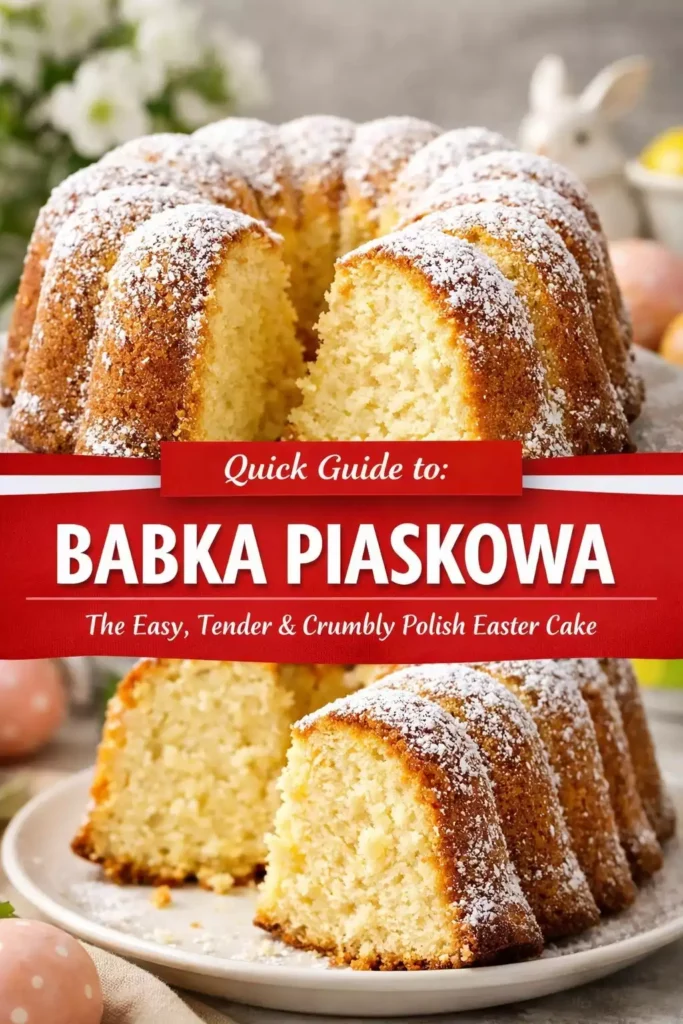
Babka Piaskowa — The Foolproof Polish Easter Cake
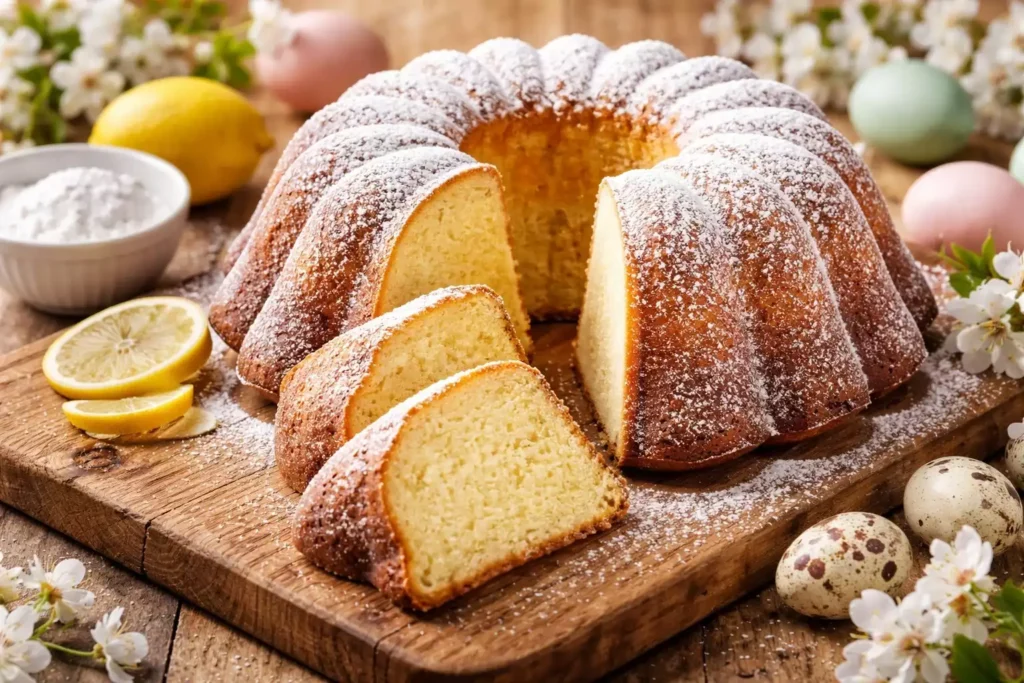
If baba wielkanocna scares you — and it should scare you a little, because it is a temperamental yeast cake with very specific opinions about temperature and patience — then babka piaskowa is your safe bet. It is the Easter cake that works. Every time. Without drama, without collapsed domes, without the kind of Easter morning tears that happen when your yeast project decides not to cooperate.
Babka piaskowa means “sand cake” and the name is perfect. The texture is fine, dense, and slightly crumbly — like a very good pound cake crossed with a butter cake, but with the specific crumb that comes from potato starch in the mix. That starch is the secret. It absorbs moisture from the butter and eggs and redistributes it through the crumb in a way that produces extraordinary tenderness without any wetness. Each slice breaks clean. The crumb is tight and velvety.
My babcia made both baba wielkanocna and babka piaskowa for Easter. She knew that baba was for the święconka basket and for glory, and babka piaskowa was for eating. She was right. Babka piaskowa is the one the family actually finishes.
Why This Babka Piaskowa Works
The combination of potato starch and flour is the defining technical feature of babka piaskowa. Potato starch creates a more tender, finer crumb than flour alone because the starch granules are smaller and absorb fat differently from wheat starch. The result is a crumb that almost melts in the mouth — dense but not heavy, fine but not dry.
Creaming the butter and sugar thoroughly — minimum 8 minutes — incorporates enough air to give the cake lift without relying on yeast. This is the technique that separates a pale, compact babka from a golden, slightly springy one. The air beaten into the butter-sugar mixture is the leavening, not the baking powder (which is there only as backup). Do not rush the creaming.
Ingredients
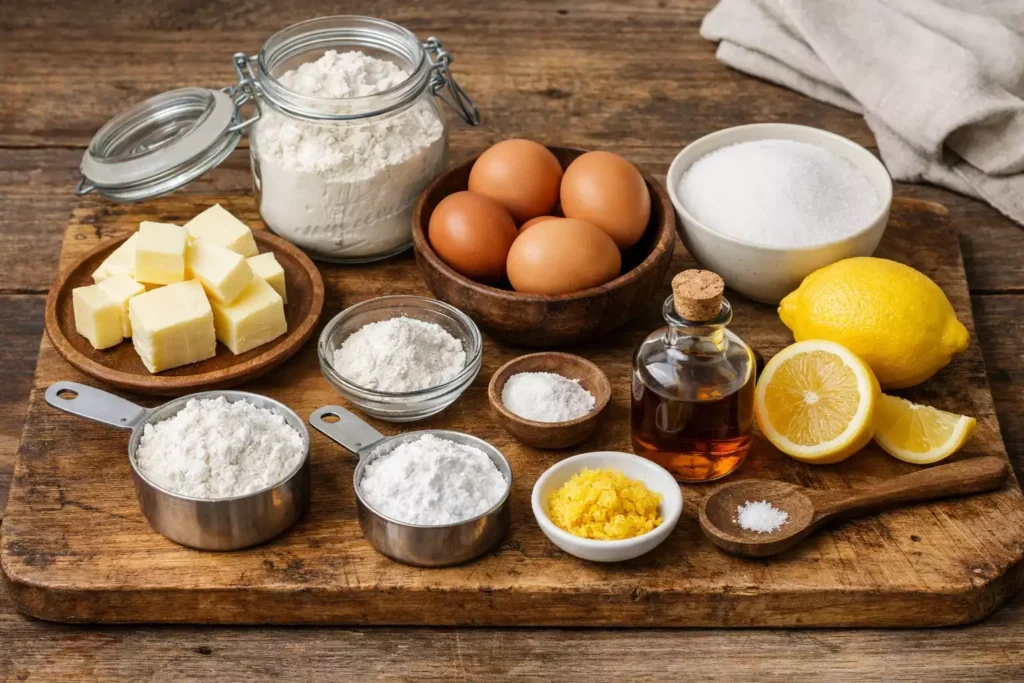
For Babka Piaskowa (one large Bundt cake, serves 12)
- 200g (1.75 cups) plain flour
- 150g (1.25 cups) potato starch (ziemniaczana mączka)
- 250g (1 cup + 2 tbsp) unsalted butter, at room temperature
- 250g (1.25 cups) caster sugar
- 5 large eggs, at room temperature
- 2 tsp baking powder
- 1 tsp vanilla extract
- Zest of 1 lemon
- Pinch of salt
For Finishing
- Powdered sugar for dusting
- OR lemon glaze: 150g powdered sugar mixed with 2–3 tbsp lemon juice
How to Make It
1
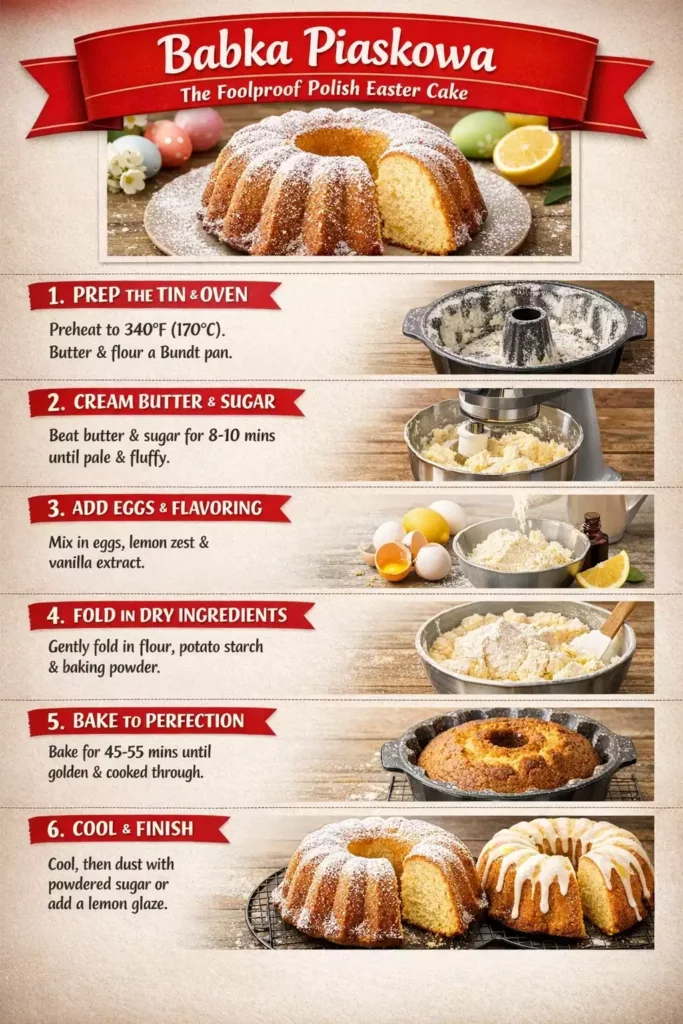
1Prepare the Tin and Oven
Preheat the oven to 170°C / 340°F. Butter a Bundt or fluted ring tin generously, getting into every groove. Dust with flour, tap out the excess. This cake has a beautiful exterior if properly unmolded. A poorly greased tin means a cake that sticks, which is a waste of good babka.
2
2Cream Butter and Sugar
Beat the room-temperature butter and caster sugar in a stand mixer on high speed for 8–10 minutes until the mixture is very pale, almost white, and fluffy. This is longer than most recipes suggest, but it is where the cake’s texture begins. Scrape the bowl down twice during this time. The mixture should look like whipped cream — light and cloud-like.
3
3Add Eggs One at a Time
With the mixer on medium, add the eggs one at a time, beating for 30 seconds after each addition. Add the vanilla and lemon zest. If the mixture curdles slightly (which can happen in cold kitchens), add a tablespoon of the flour and continue mixing — it will come back together.
4
4Fold in Dry Ingredients
Sift together the flour, potato starch, baking powder, and salt. Fold into the butter mixture in three additions using a spatula — do not use the electric mixer for this step. Folding rather than beating preserves the air you spent 10 minutes incorporating. The batter will be thick and smooth.
5
5Bake and Unmold
Spoon the batter into the prepared tin and smooth the top. Bake for 45–55 minutes until a skewer inserted in the center comes out clean and the cake is pulling away from the edges. Cool in the tin for 15 minutes, then invert onto a wire rack. Cool completely before dusting with powdered sugar or pouring over a lemon glaze. Slicing a warm babka piaskowa crumbles the edges — it needs to be cold.
Babka Piaskowa Tips for a Reliable Easter Cake
Everything at room temperature. Cold butter and cold eggs in a creamed butter cake produce a dense, uneven result. Pull the butter and eggs from the fridge at least 2 hours before baking. This is not a suggestion — it is the difference between a cake that rises beautifully and one that does not.
Do not substitute the potato starch. Cornstarch works as a partial substitute (use 100g starch and 200g flour instead of the original split), but the specific fineness of potato starch is what gives babka piaskowa its characteristic velvety crumb. It is available at Polish delis and most larger grocery stores in the baking aisle.
The creaming time is not optional. Eight to ten minutes seems excessive. It is not. Under-creamed butter-sugar mixture means a tighter, less airy crumb. Ten minutes at high speed produces a mixture that has genuinely changed in texture and color. Set a timer and leave the mixer running.
Grease the tin twice. Brush the tin with melted butter, chill for 5 minutes in the freezer, then brush again and dust with flour. A Bundt tin has many fine grooves and a single greasing is often insufficient. Two coats ensure clean unmolding.
Babka Piaskowa at the Easter Table
Babka piaskowa belongs at the Easter dessert table alongside its more dramatic cousin baba wielkanocna and the decorated mazurek. It is the dependable one — the one everyone actually eats in large amounts after the initial excitement about the mazurek’s decorations has worn off. A thick slice of babka piaskowa with a cup of black tea on Easter Monday morning is one of the genuine pleasures of the holiday weekend.
It also travels well: wrapped in parchment and foil, babka piaskowa makes an excellent food gift for Easter visits to family and friends. It does not need to be sliced, it does not need refrigeration, and it arrives intact. These are all superior properties to those of baba wielkanocna.
Variations Worth Trying
Chocolate marble babka. Remove one-third of the batter and mix in 2 tablespoons of cocoa powder dissolved in 2 tablespoons of hot water. Alternate spoonfuls of plain and chocolate batter in the tin. Run a skewer through in a figure-eight to create a marble effect. Bake as normal. Beautiful cross-section when sliced.
With poppy seed filling. Spread a thin layer of cooked poppy seed paste (the same as used in makowiec) on the raw batter before baking, then cover with remaining batter. The poppy seed runs through the cake as a dark, dense filling. Unusual and excellent.
Lemon glazed version. Mix 150g powdered sugar with fresh lemon juice until pourable. Pour over the cooled babka and allow to set for 30 minutes before slicing. The sharp lemon glaze against the rich buttery cake is a very good combination.
Storage
Babka piaskowa keeps at room temperature wrapped in parchment (not cling film, which makes the crust soft and slightly damp) for up to 5 days. It freezes exceptionally well for up to 3 months — wrap tightly in cling film then foil, defrost at room temperature. Because of the starch content, it may seem slightly drier after freezing; a minute in the microwave at low power restores its texture remarkably well.
FAQ
Can I make babka piaskowa without a Bundt tin?
Yes. A standard 900g loaf tin works well — bake at the same temperature and check doneness at 50 minutes. You lose the decorative exterior but gain a loaf that slices easily. A tall round cake tin (23cm) also works and produces a flatter, more cake-like result.
Where can I find potato starch?
Polish delis always stock it (usually sold as mączka ziemniaczana or skrobia ziemniaczana). It is also available in many large supermarkets in the baking aisle, sometimes labeled as potato flour (though potato flour and potato starch are slightly different — for baking, potato starch is the correct one). Asian grocery stores also reliably stock it.
My babka cracked on top. Is something wrong?
No. A crack down the center of a Bundt cake is completely normal and caused by steam escaping as the outer crust sets before the center. It is cosmetic only and is hidden by the powdered sugar dusting anyway. A cake that rises to a dome and cracks is a properly leavened babka — this is a good sign, not a problem.
Kasia Polish Mom
Polish-born, Chicago-raised, feeding a family of six with babcia’s recipes and a global pantry. I grew up folding pierogi at my grandmother’s kitchen table and never stopped — 15+ years of cooking from scratch, one Sunday dinner at a time. Everything here is tested on four kids, a hungry husband, and the memory of a woman who never measured anything but always got it right.
Żurek — The Sour Rye Soup That IS Polish Easter
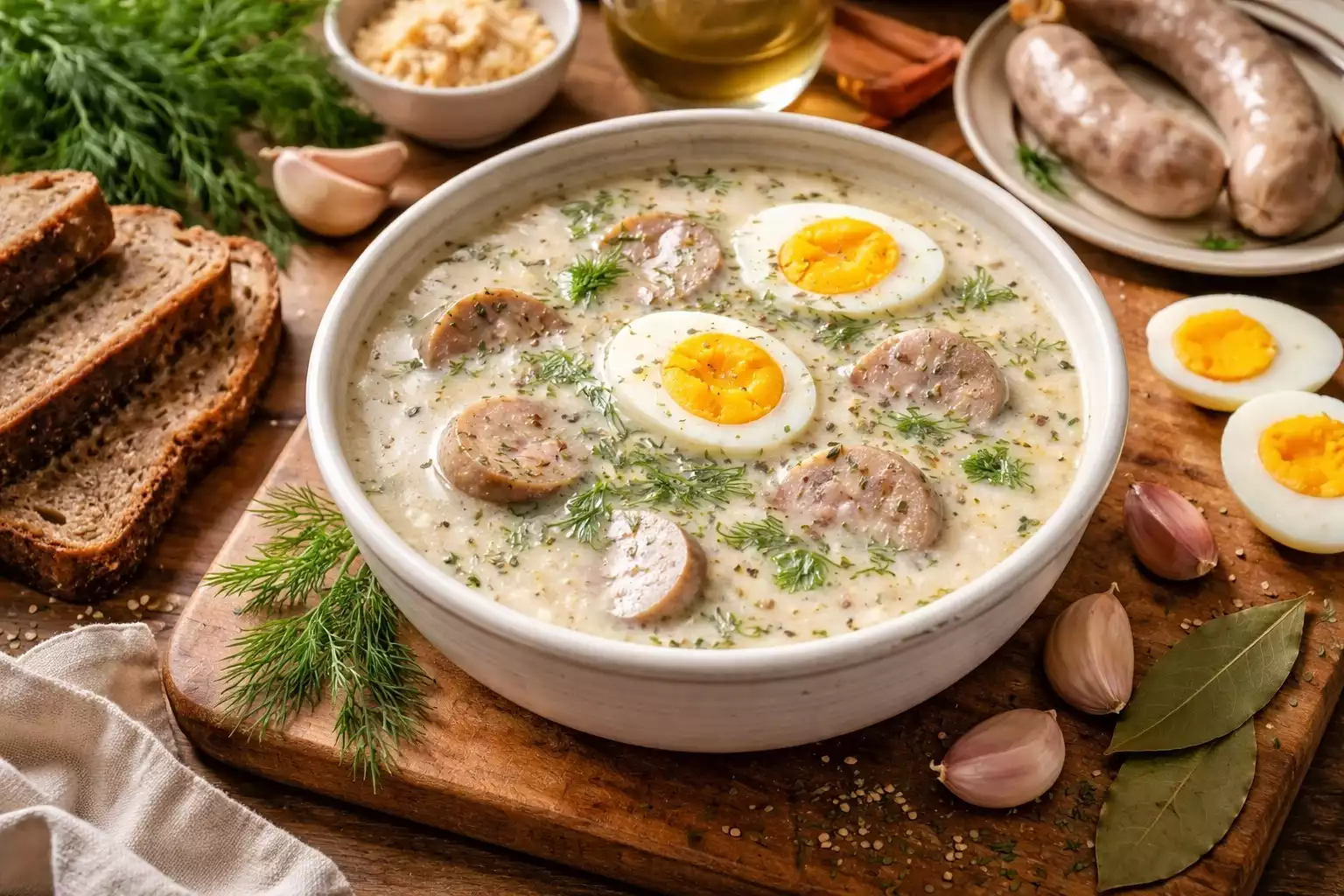
Biały Barszcz — Poland’s Other Easter Soup
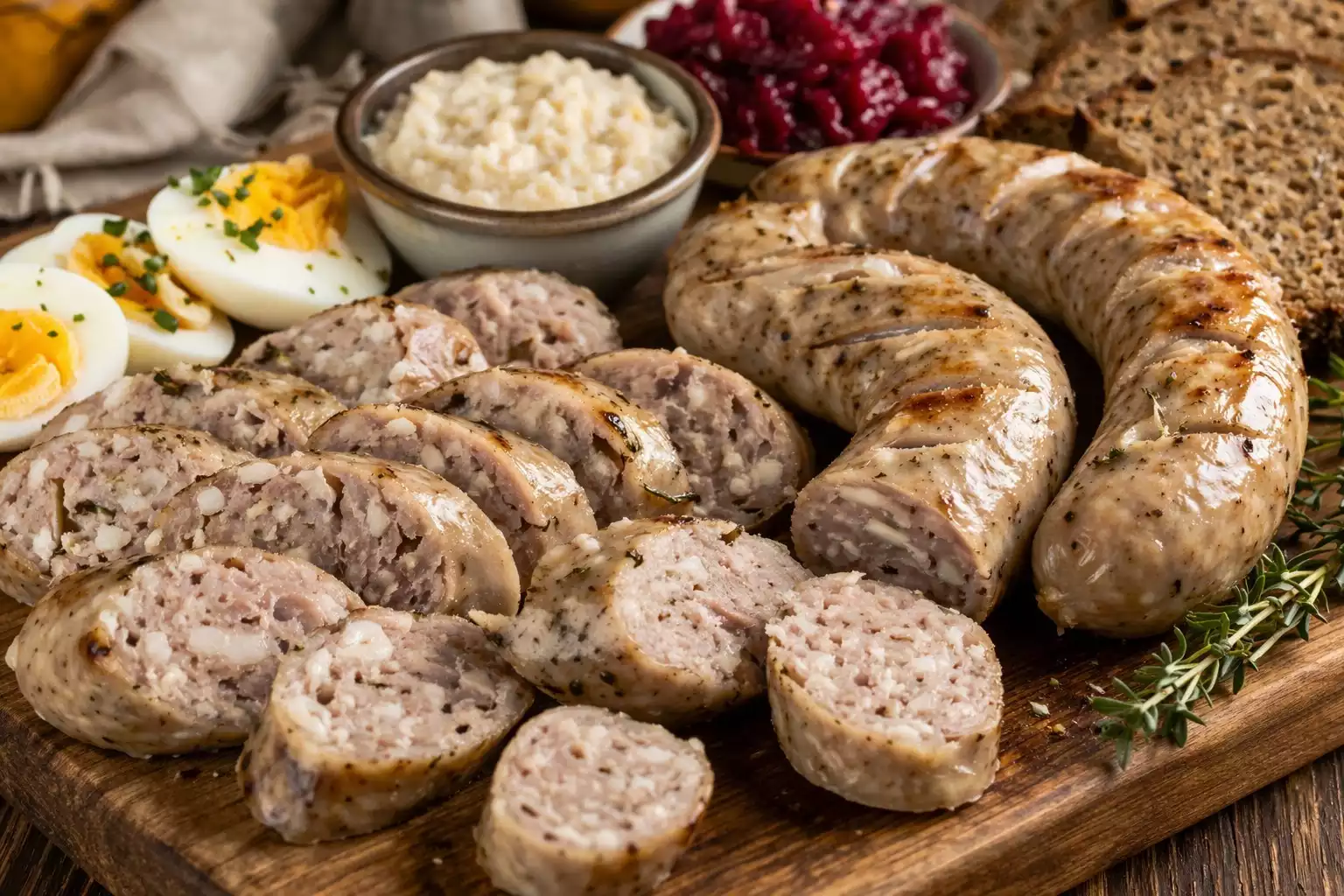
Biała Kiełbasa — The Easter Sausage Every Polish Table Needs
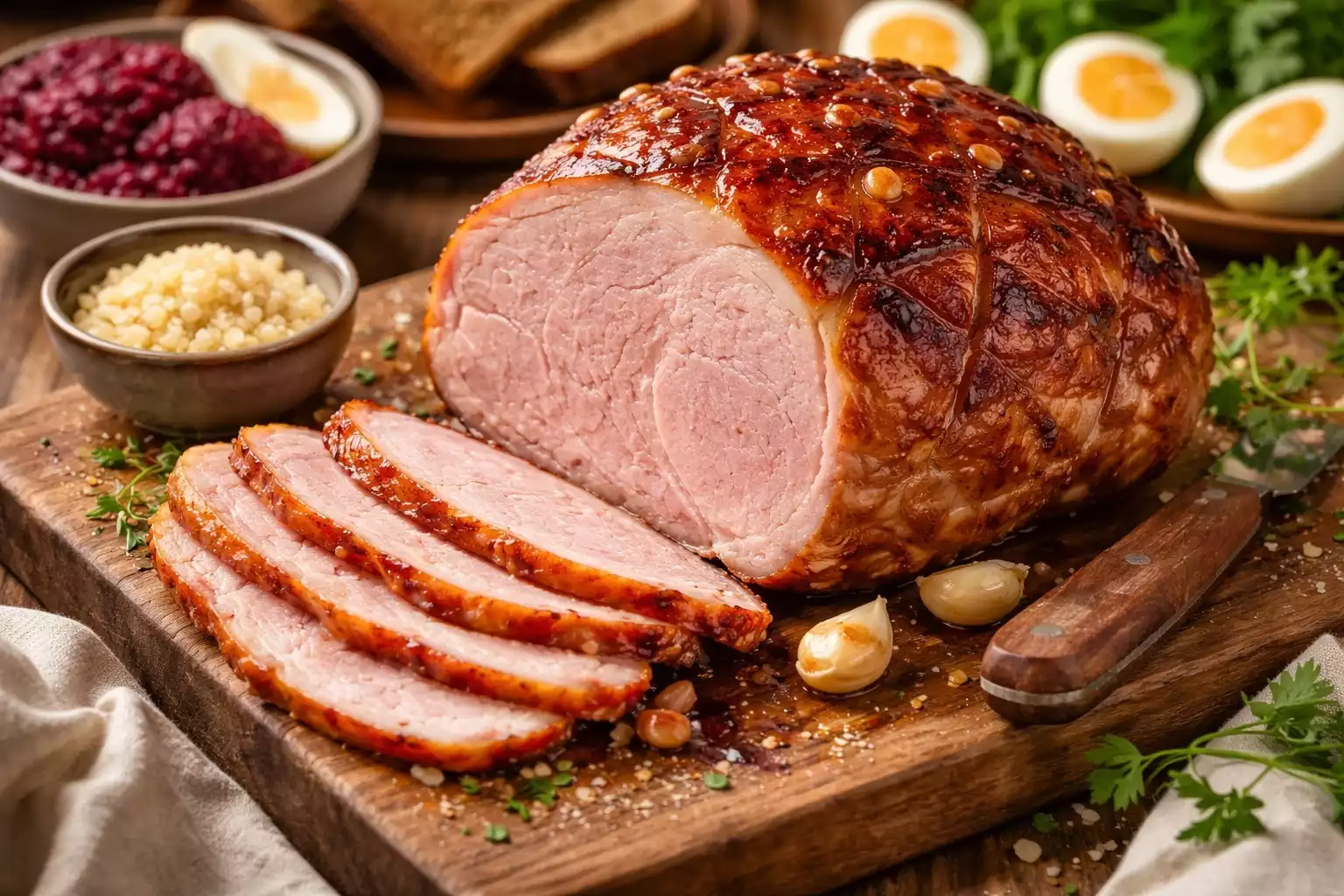
Szynka Wielkanocna — Polish Easter Ham Done Right
Makowiec — Polish Poppy Seed Roll for Every Holiday