

Kasia Polish Mom
Polish-born, Chicago-raised, feeding a family of six with babcia’s recipes and a global pantry. I grew up folding pierogi at my grandmother’s kitchen table and never stopped — 15+ years of cooking from scratch, one Sunday dinner at a time. Everything here is tested on four kids, a hungry husband, and the memory of a woman who never measured anything but always got it right.
Chinese Recipes Your Takeout Place Should Be Worried About
Every time my family orders Chinese takeout, my husband looks at the receipt and says “we could make this at home.” He’s been saying this for years. The difference now is that we actually can — and we do. This collection is 20 Chinese recipes tested in a real family kitchen by someone who learned Chinese cooking from scratch, out of curiosity and stubbornness, because the takeout near our house in Chicago was getting expensive and my kids were asking for kung pao chicken three times a week.
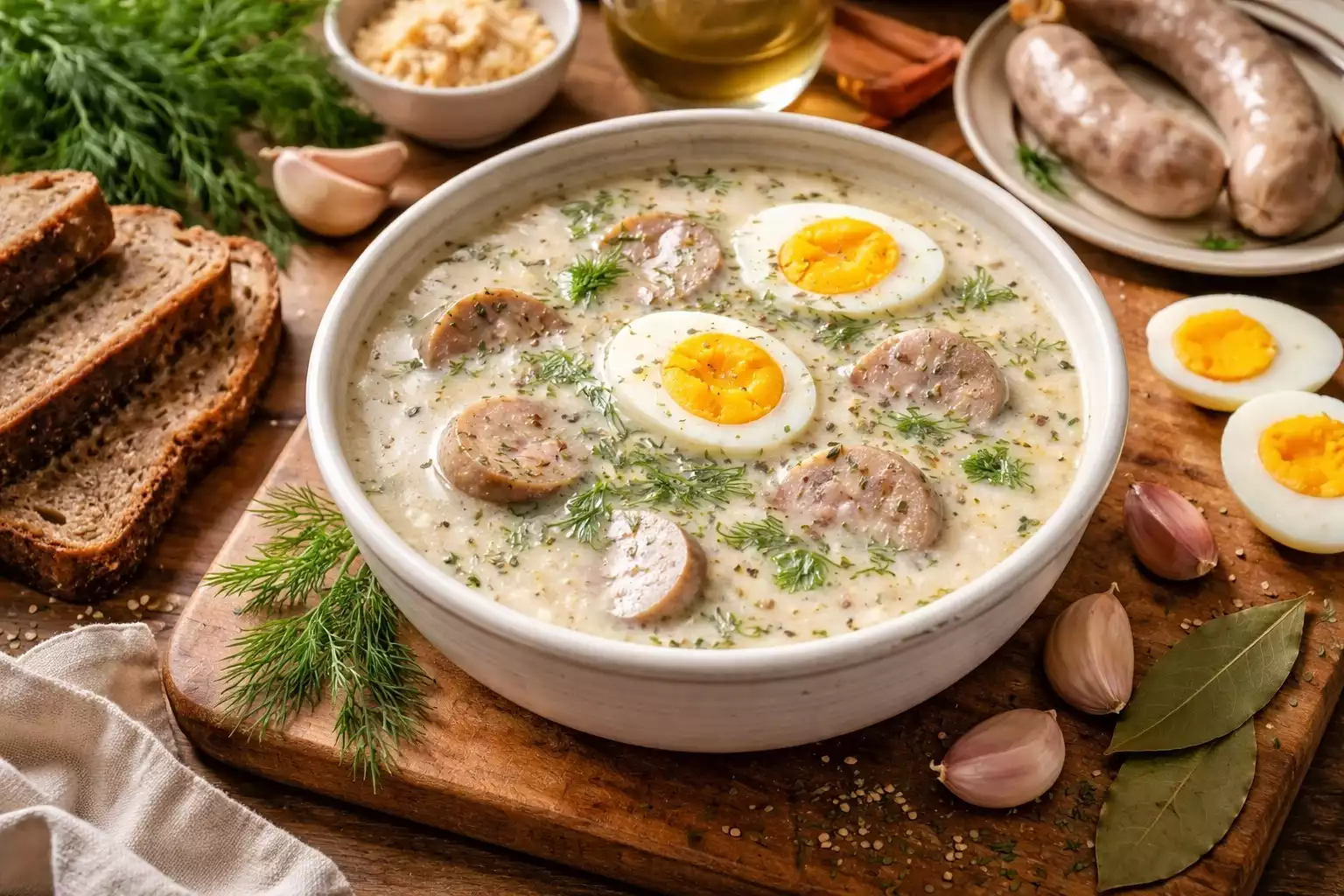
I am Polish. My culinary background is bigos and żurek and kopytka. Chinese cooking was not part of my upbringing. What I found when I started learning it was that the fundamentals — high heat, fresh aromatics, proper seasoning, good technique — are the same fundamentals everywhere. What changes is the pantry. Once I stocked the right ingredients (a bottle of Shaoxing wine, a jar of doubanjiang, a bag of Sichuan peppercorns), the cooking made complete sense and the results were genuinely better than what we were ordering.
These are the 20 Chinese recipes my family eats on rotation. Some are takeout classics — kung pao, orange chicken, beef and broccoli. Some are dishes I discovered while learning that became household favorites — dan dan noodles, hong shao rou, scallion pancakes. All of them are made in a regular home kitchen, without a wok burner that produces restaurant BTUs, and they are better than the delivery box every single time. My takeout place has noticed nothing. We have noticed everything.
Classic Stir-Fries
The stir-fry is the foundation of Chinese home cooking — fast, hot, and built around the same handful of techniques that produce different results depending on what you put in the wok. The secret most home cooks miss is getting the pan properly hot before anything goes in. Restaurant woks produce 50,000 BTUs. A home burner produces 8,000-15,000. The workaround is a cast iron or carbon steel pan preheated longer than feels comfortable. When oil shimmers and begins to smoke: that is the moment. That is when you cook.
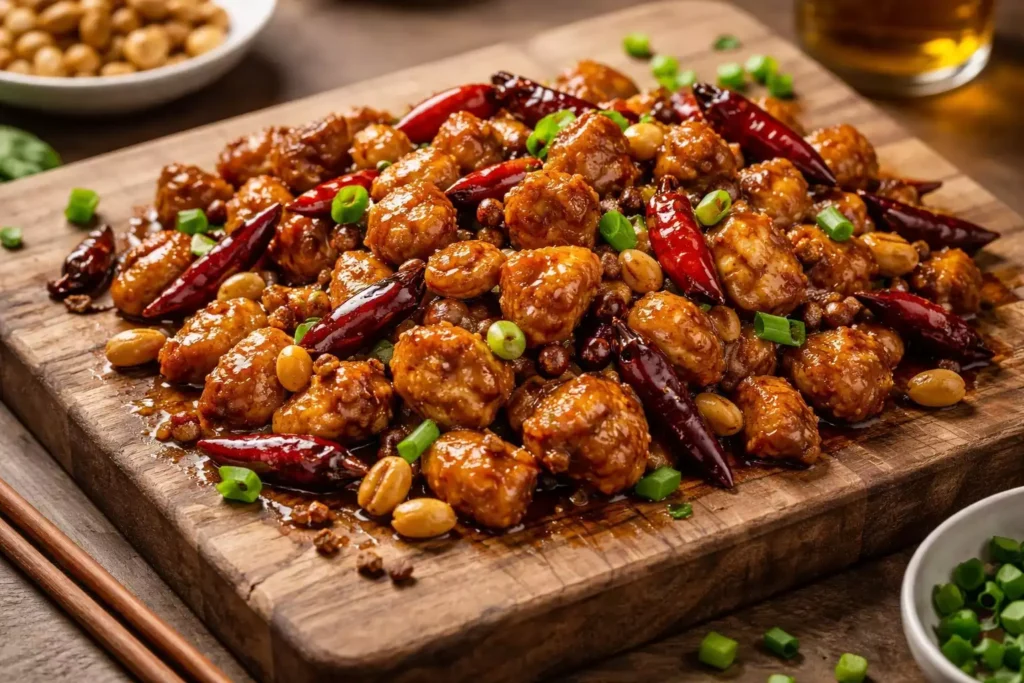
Kung Pao Chicken
The takeout classic done properly — velvet-textured chicken, dried chilies, Sichuan peppercorns, peanuts, and that glossy, complex sauce that is simultaneously spicy, sweet, sour, and savory. My kids eat this without complaint, which tells you it is not as spicy as it sounds.
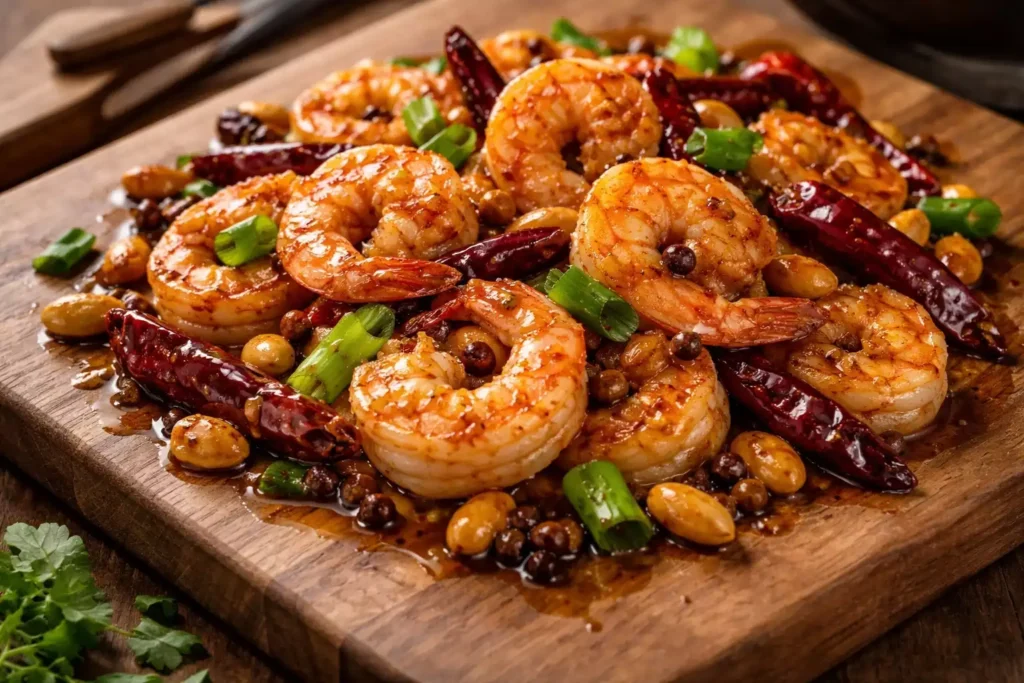
Kung Pao Shrimp
Same sauce, same technique, completely different result. Shrimp cooks in 90 seconds and absorbs the kung pao flavors differently than chicken — lighter, with a slight sweetness from the seafood. The version for people who want kung pao on a Tuesday without thawing chicken.
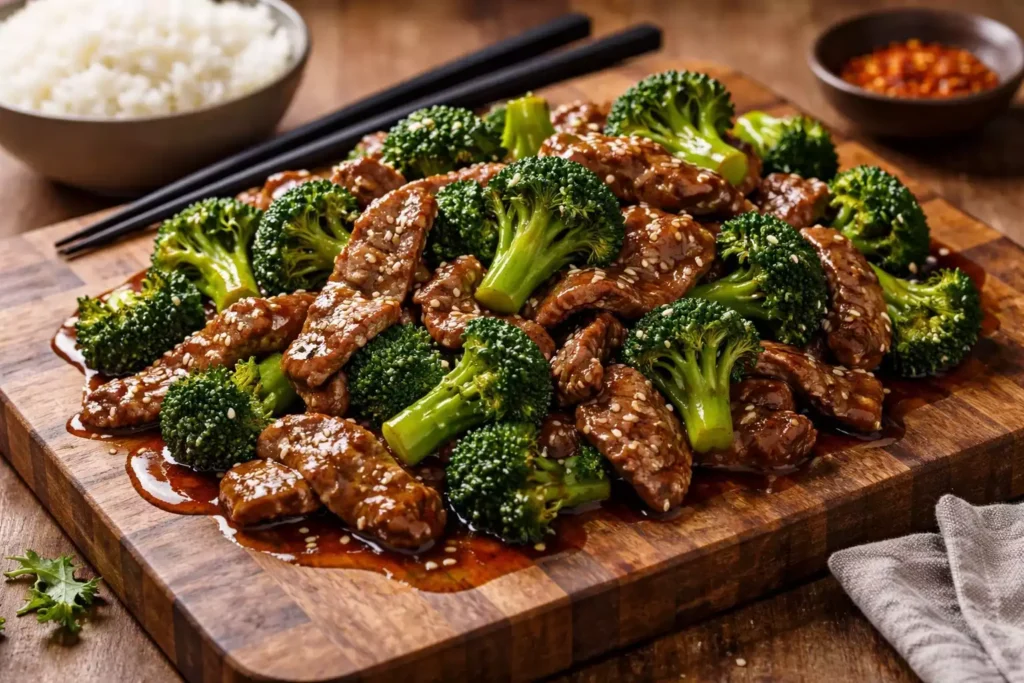
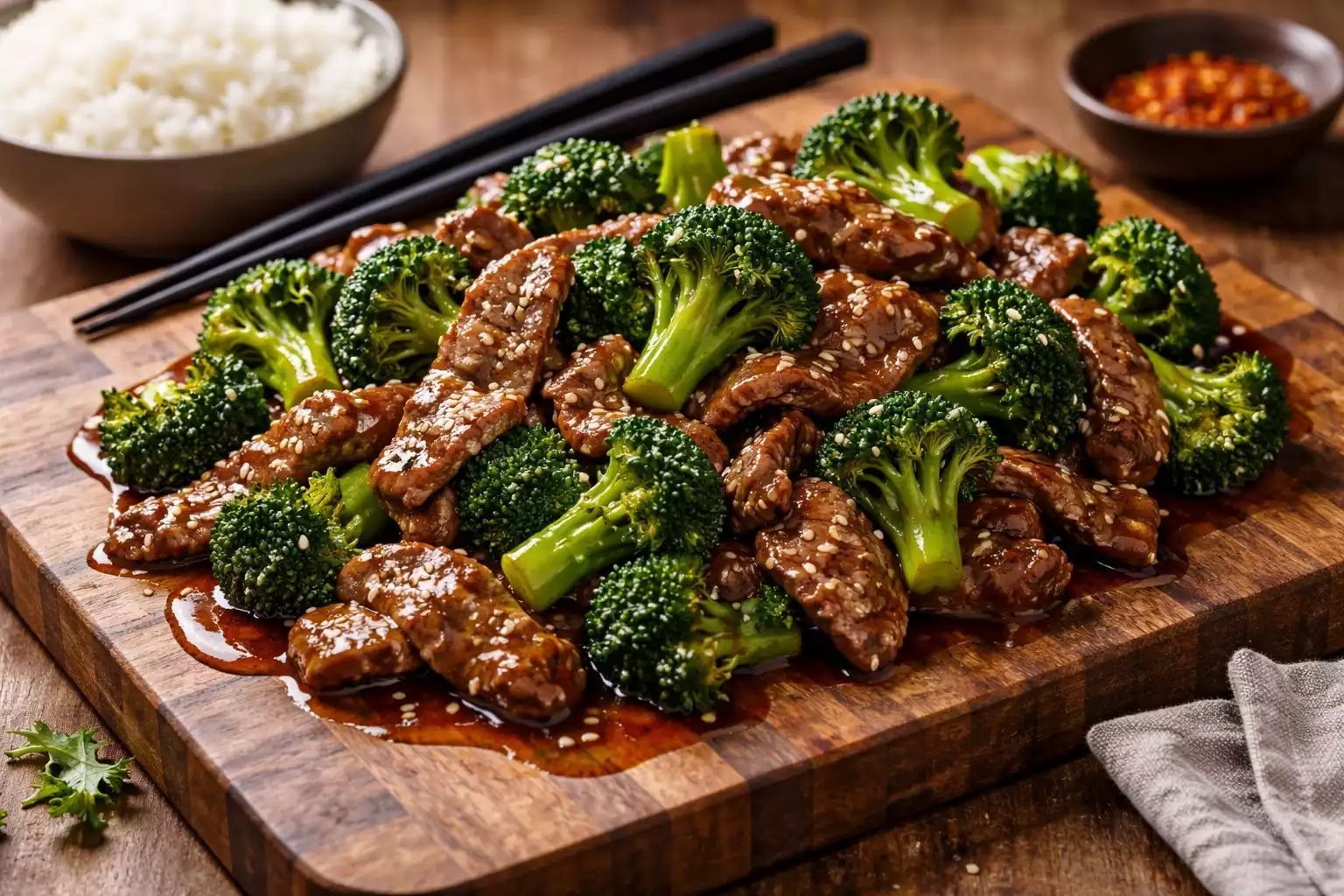
Beef and Broccoli
Velvet-textured flank steak, tender broccoli, and a savory oyster sauce glaze. The velveting technique — marinating the beef in baking soda and cornstarch before cooking — is the restaurant secret that makes the meat texture right. Ten minutes of prep. Fifteen minutes of cooking.
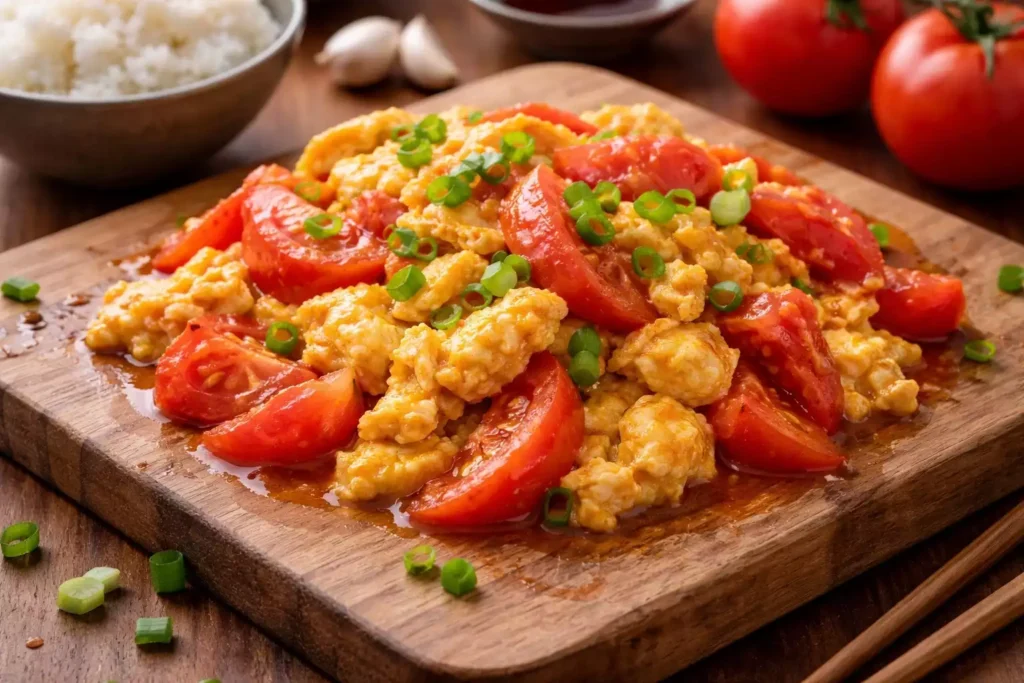
Chinese Tomato and Egg Stir-Fry
The Chinese weeknight staple that nobody in the West has heard of and everyone should make immediately. Soft scrambled eggs, jammy cooked tomatoes, a barely-there sauce. Five ingredients. Twelve minutes. My kids ask for this more than kung pao.
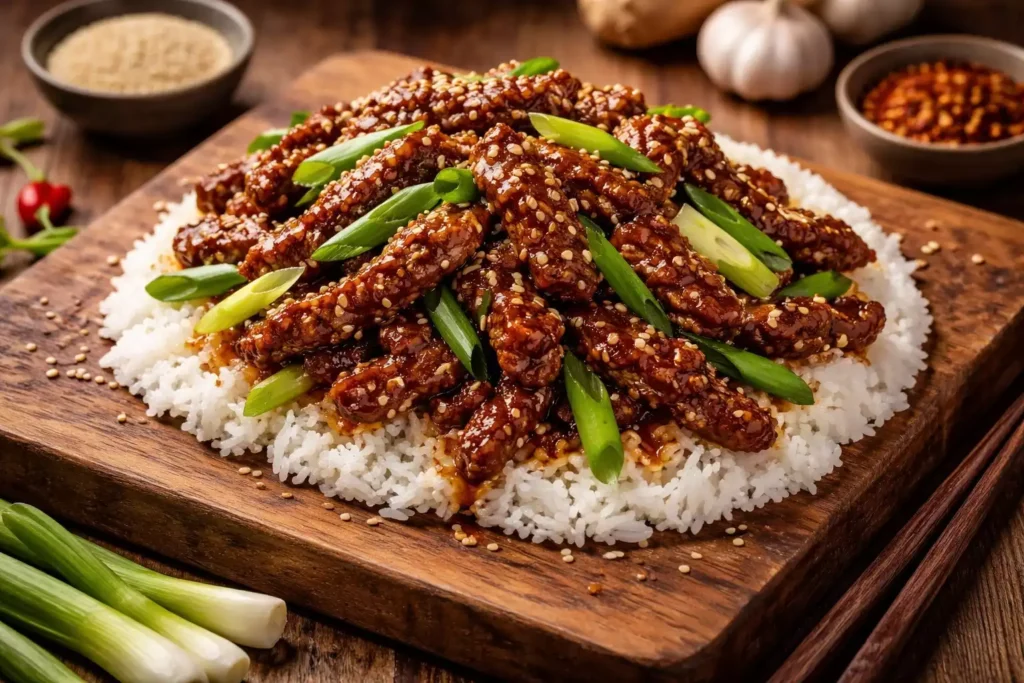
Mongolian Beef
Crispy-edged sliced beef in a rich, slightly sweet soy-ginger-garlic sauce. Not actually Mongolian (it’s a Chinese-American invention), but genuinely one of the best things you can make with flank steak in 20 minutes. Serve over rice. Accept compliments.
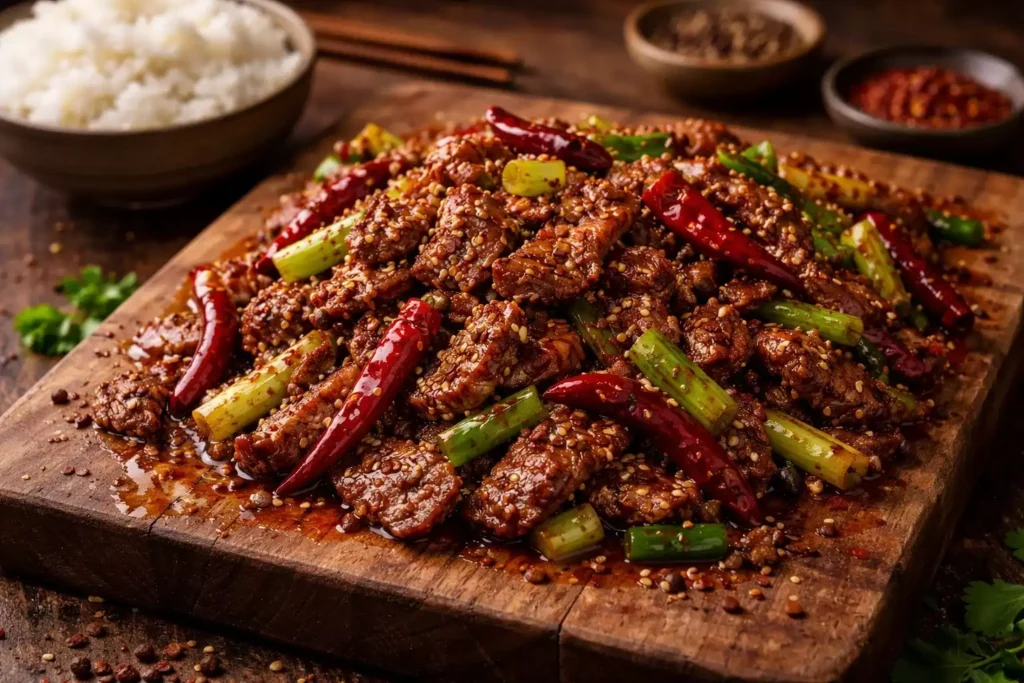
Szechuan Beef
The genuinely spicy cousin of Mongolian beef — doubanjiang, dried chilies, Sichuan peppercorns, and the ma la (numbing-spicy) sensation that Sichuan cuisine is famous for. Not for the spice-averse. Very much for everyone else.
Crispy Fried Favorites
The double-fry technique produces the restaurant-quality crispness that home cooks cannot achieve with a single fry. First fry at lower temperature to cook through; second fry at high temperature to crisp the coating. The two-step process takes longer but produces a completely different result — a shatteringly crisp exterior that stays crispy after the sauce goes on. This technique is the main reason Chinese takeout fried chicken tastes different from home-cooked fried chicken.
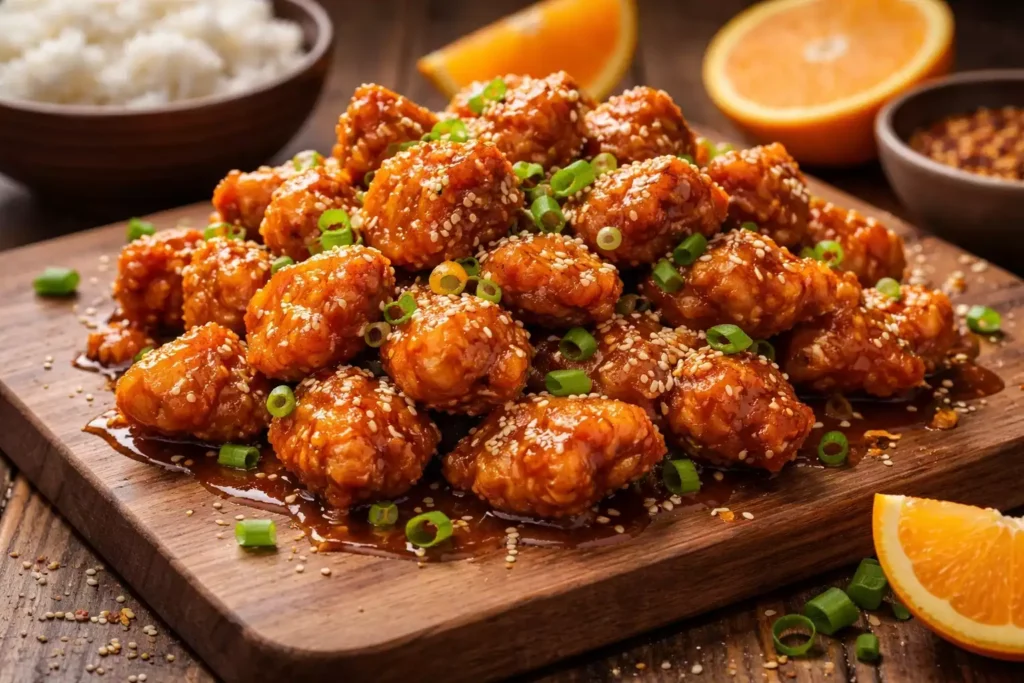
Orange Chicken
Crispy double-fried chicken thighs tossed in a glossy orange sauce made with real orange zest and juice — not orange-flavored candy. The sauce is bright, tangy-sweet, and tastes aggressively like orange. My family has not returned to the mall food court orange chicken since the first time I made this.
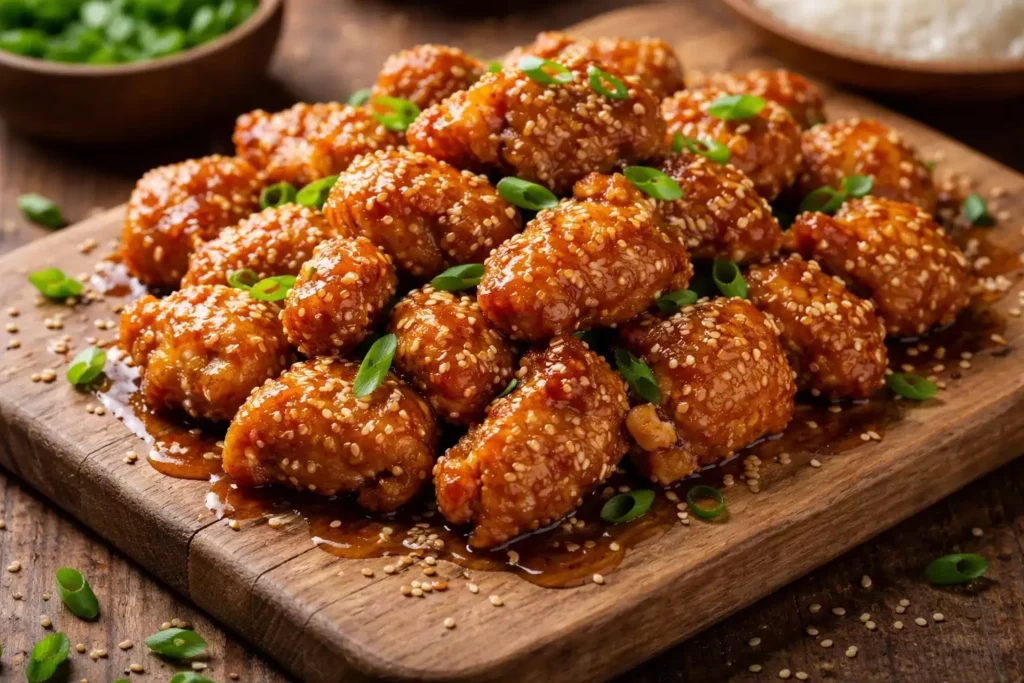
Sesame Chicken
Similar technique to orange chicken, completely different flavor profile. The sesame sauce is richer, deeper, and more savory. Toasted sesame seeds pressed into the coating and scattered over the finished dish. The version my eldest requests for birthday dinners.
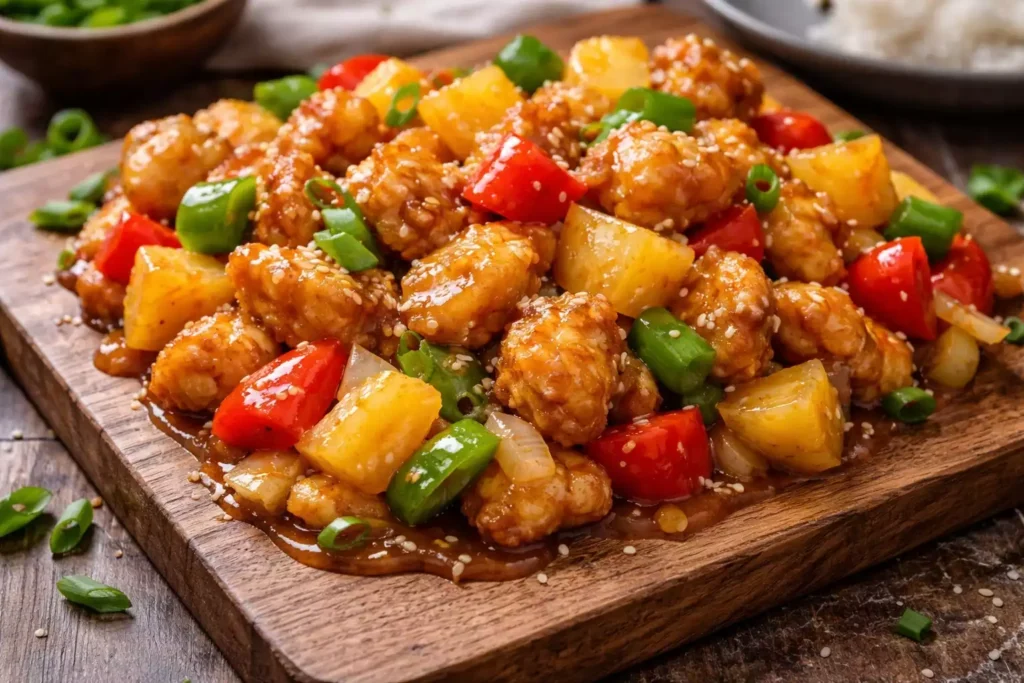
Sweet and Sour Chicken
The one every kid knows from the buffet. The homemade version has a sauce that tastes like actual pineapple and rice vinegar rather than red-dyed corn syrup. Bell peppers, pineapple chunks, crispy chicken, glossy sauce. Better than every buffet I’ve visited.
Noodles and Rice
The noodle section of Chinese cooking is its own universe — and an extraordinary one. Chewy lo mein, crispy chow mein, hand-pulled dan dan noodles with their tongue-numbing peanut sauce. Every version uses different noodles, different cooking methods, and produces a different experience. Start with lo mein (simplest) and work your way to dan dan (most technique). They are all worth the progression.
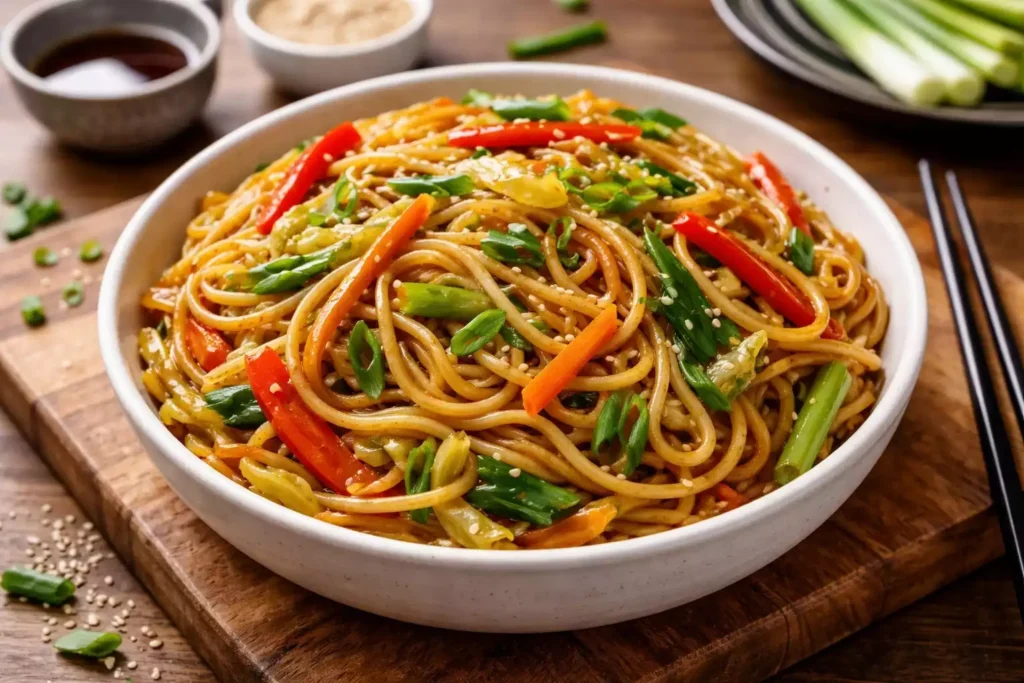
Lo Mein
Chewy egg noodles tossed in a savory sauce with vegetables and protein of your choice. Flexible, fast, and the most weeknight-practical Chinese noodle dish. Easier than takeout ordering on a Friday night. Ready in 20 minutes. Nobody complains.
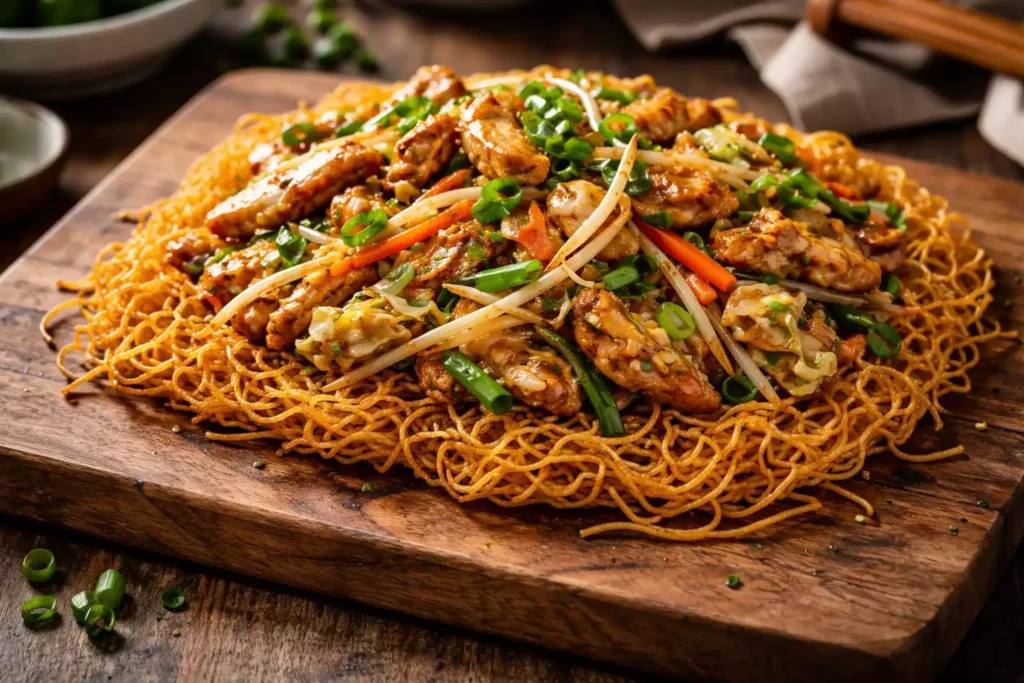
Chow Mein
Crispy-bottomed noodles with a saucy top. The difference from lo mein is the fry — chow mein noodles are pressed against a hot pan to develop a crunchy bottom layer before the sauce and toppings go on. Two textures in one dish. Worth the extra step.
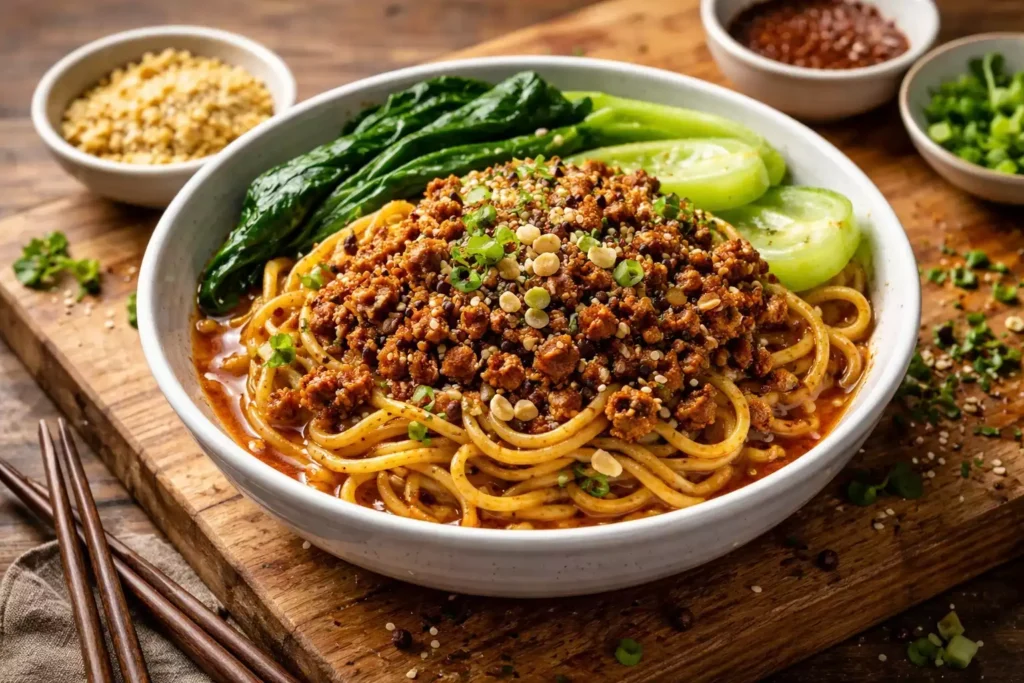
Dan Dan Noodles
Sichuan street food at its most addictive. Spicy sesame-peanut sauce, ground pork with preserved vegetables, Sichuan peppercorn oil, and chewy noodles. The dish that made me understand why people talk about Sichuan food the way they do. Complex, bold, layered, completely memorable.
Soups and Comfort Dishes
Chinese soups are the original fast food — egg drop soup is on your table in 10 minutes from cold start. Hot and sour is 20 minutes. Congee takes longer but requires almost no active cooking and produces one of the most comforting things a human can eat when sick, tired, cold, or all three simultaneously. The congee recipe changed how I think about cooking for sick children and it has been one of the most used recipes in my house since I learned it.
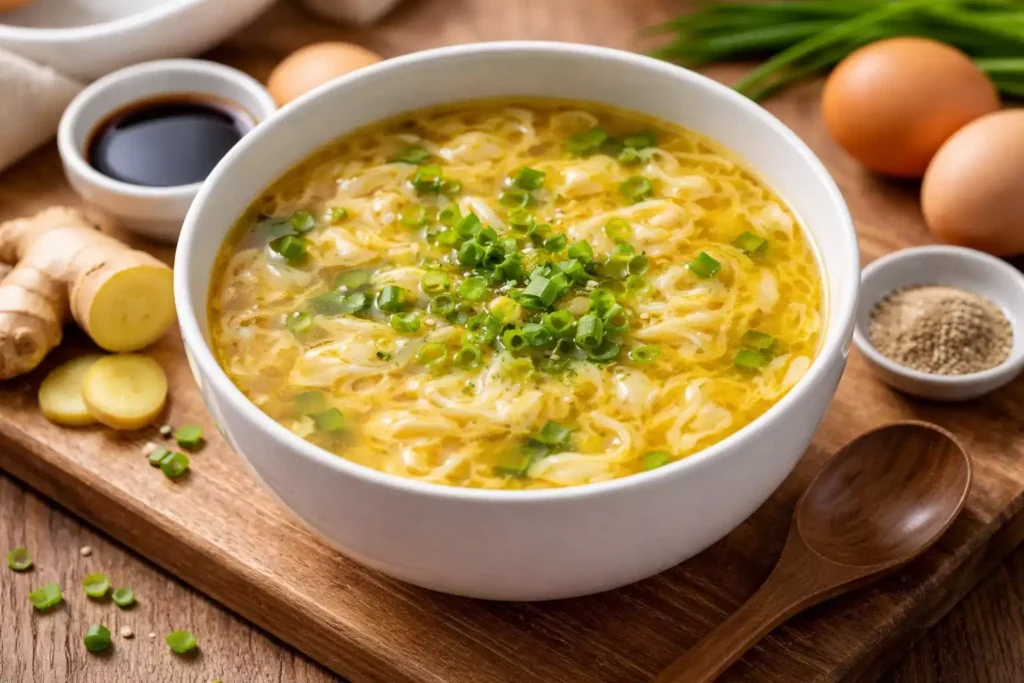
Egg Drop Soup
The ten-minute soup. Silky egg ribbons in a ginger-scented chicken broth, thickened lightly with cornstarch. The homemade version is so much better than the restaurant version that I genuinely cannot explain why anyone orders it. Make it at home.
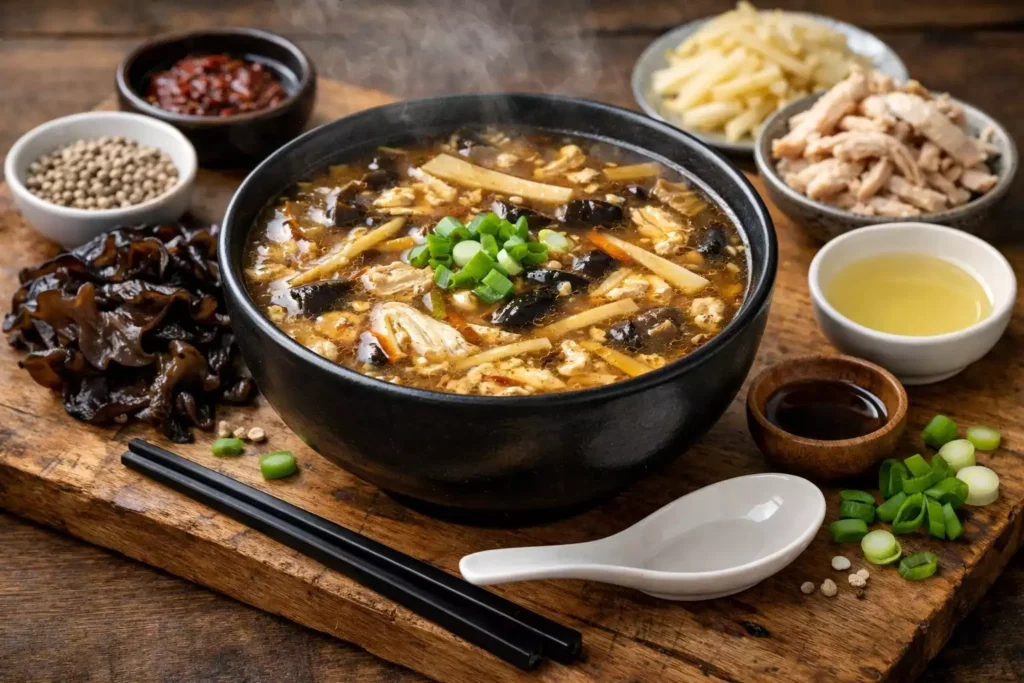
Hot and Sour Soup
The full version — tofu, wood ear mushrooms, bamboo shoots, egg ribbons, white pepper heat, rice vinegar sourness. Everything the name promises. The soup that clears a cold, warms a winter evening, and somehow improves with each reheating. My husband’s most requested soup.
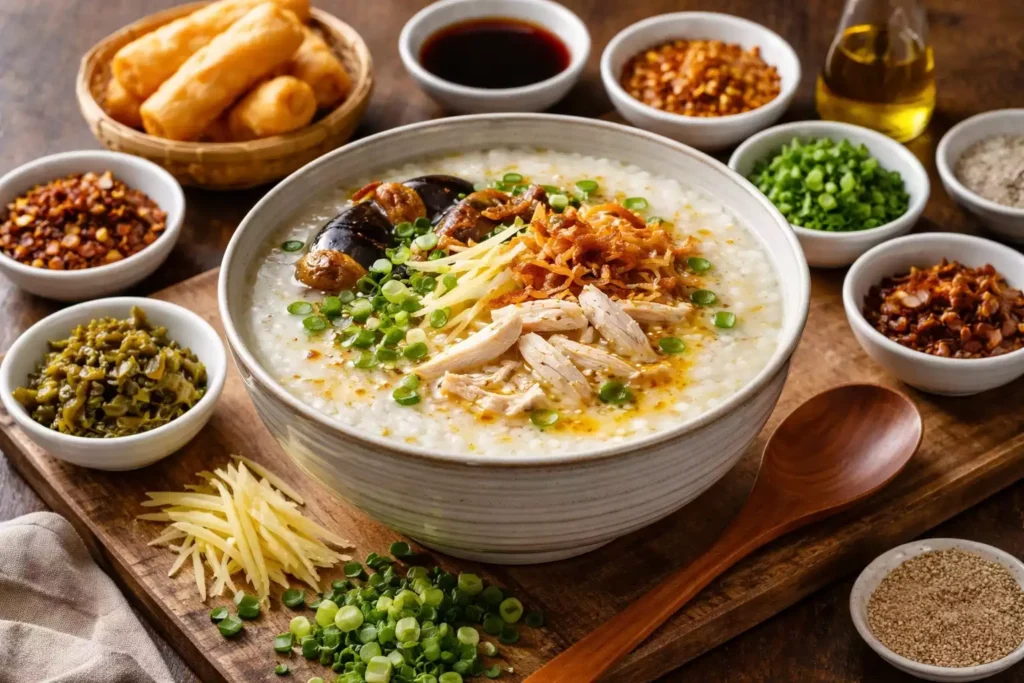
Congee — Chinese Rice Porridge
Slow-cooked rice porridge that becomes silky and thick and deeply soothing. The Chinese equivalent of chicken soup — what you make when someone is sick or cold or needs comfort. My kids ask for this when they’re unwell and it is the highest compliment a sick child can give a recipe.
Dumplings and Bread
Making dumplings is a meditative act. There is a moment, about thirty dumplings in, where your hands know what to do and you stop thinking and just fold. This is one of the reasons dumpling-making has been a communal activity in Chinese cooking for centuries — the repetition is calming, and many hands make the work fast. I make dumplings with my kids on weekend afternoons when we have time and patience. We end up with sixty dumplings, happy children, and flour on every surface. Deeply worth it.
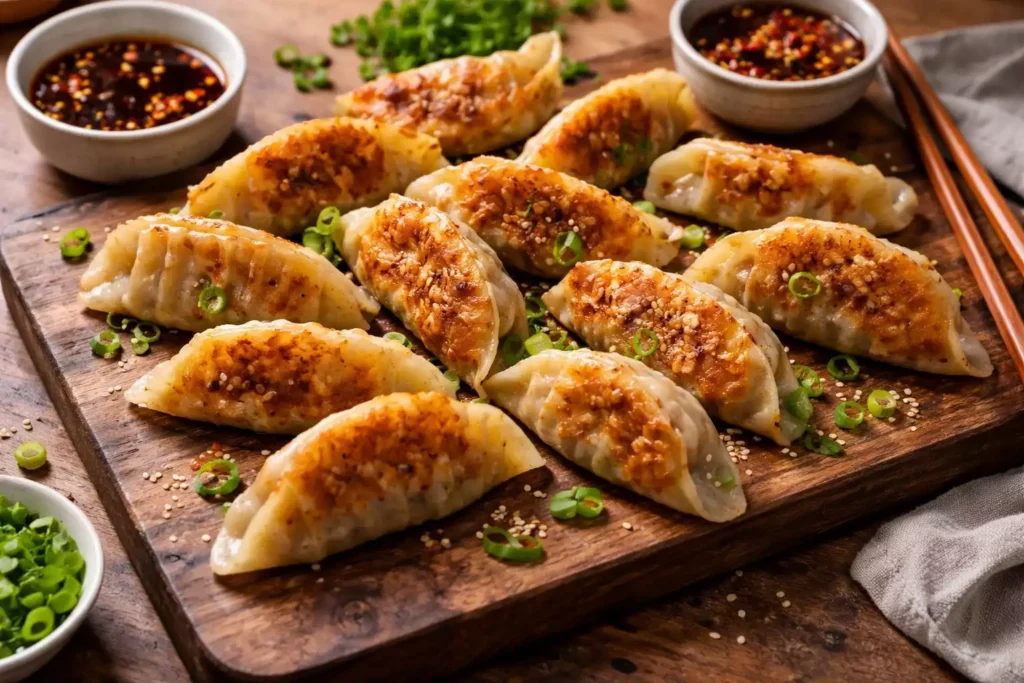
Chinese Dumplings — Jiaozi
Handmade pork and cabbage dumplings with the pleating technique that looks impossible until suddenly it isn’t. Boiled, pan-fried potsticker style, or steamed — three cooking methods, each producing a different result. A weekend project that freezes beautifully and produces months of fast dinners.
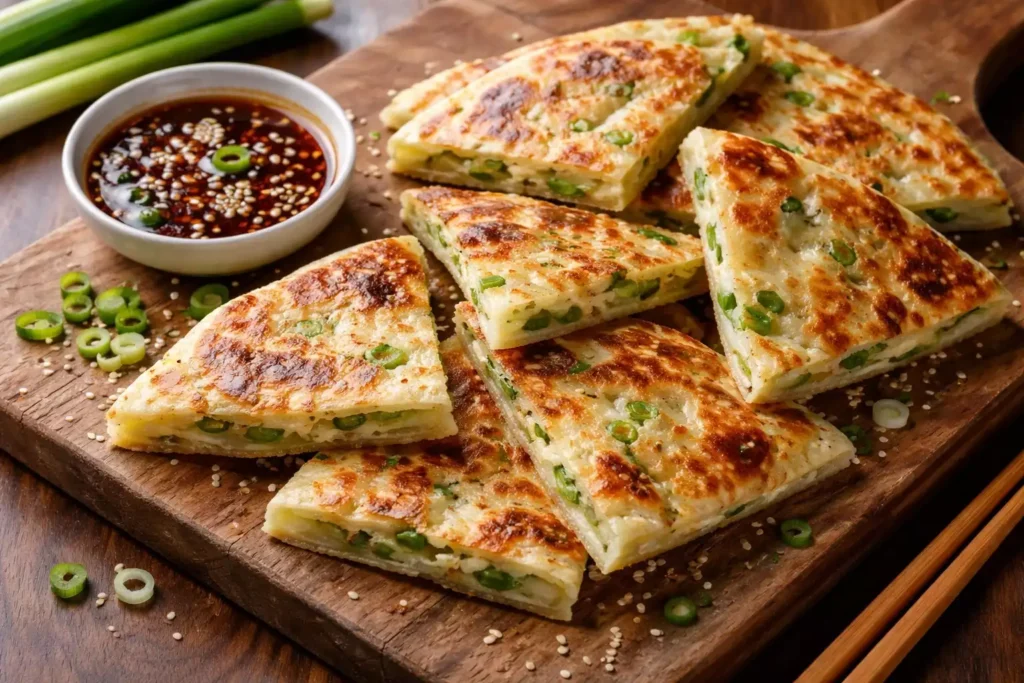
Scallion Pancakes — Cong You Bing
Flaky, layered flatbread made from a hot-water dough rolled thin with sesame oil and scallions. The layers come from rolling, coiling, and re-rolling. Crispy outside, chewy and laminated inside, aggressively delicious. My kids eat these as fast as I can cook them.
Slow-Cooked Showstoppers
Not everything in Chinese cooking is fast. The slow-braise side of Chinese cuisine — red-braised pork belly, mapo tofu with its long-simmered doubanjiang base, char siu glazed over gentle heat — requires time and produces results that fast cooking cannot approximate. These are the weekend recipes, the Sunday projects, the dishes that make the house smell extraordinary for three hours before dinner.
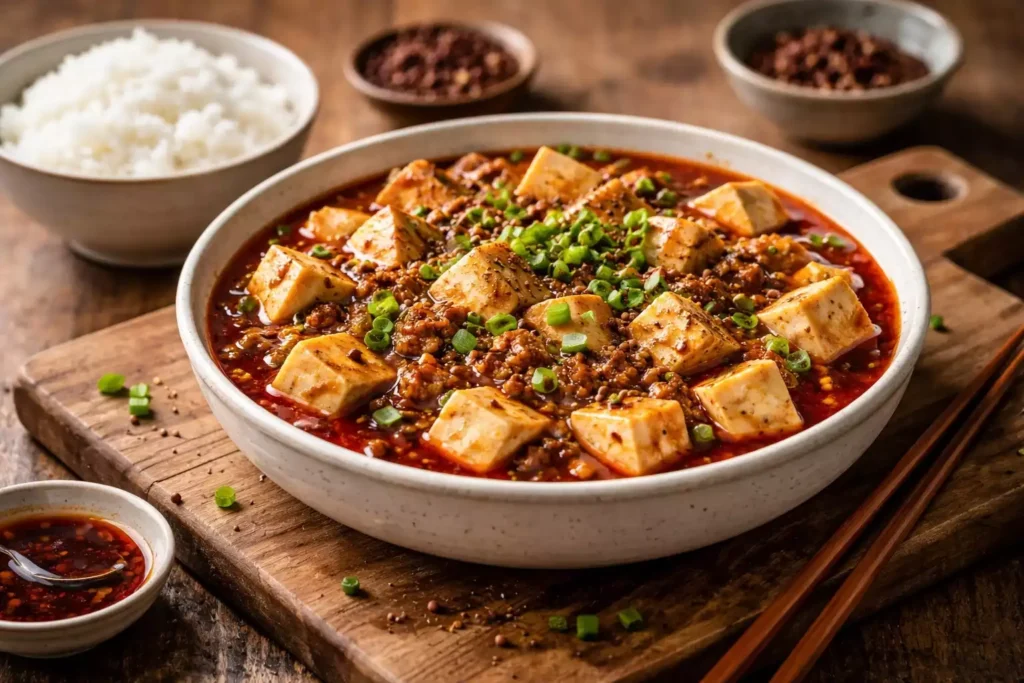
Mapo Tofu
Silken tofu in a fiery, numbing Sichuan sauce of doubanjiang, fermented black beans, ground pork, and enough Sichuan peppercorns to make your lips tingle for thirty minutes after eating. The dish that converted my tofu-skeptic husband. He now requests it specifically and enthusiastically.
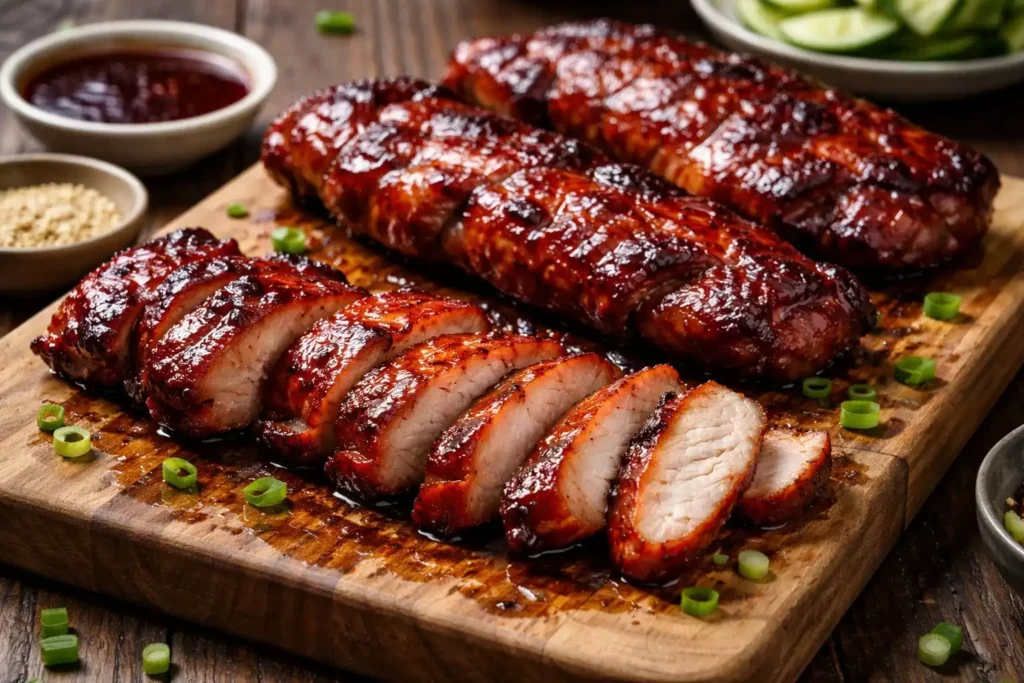
Char Siu — Chinese BBQ Pork
Pork shoulder or tenderloin lacquered in a honey-hoisin-soy-five-spice marinade, roasted until caramelized and glossy. The red-tinged pork that hangs in the windows of every Cantonese roast meat shop. Made in a regular oven with a char siu marinade that takes 10 minutes to assemble.
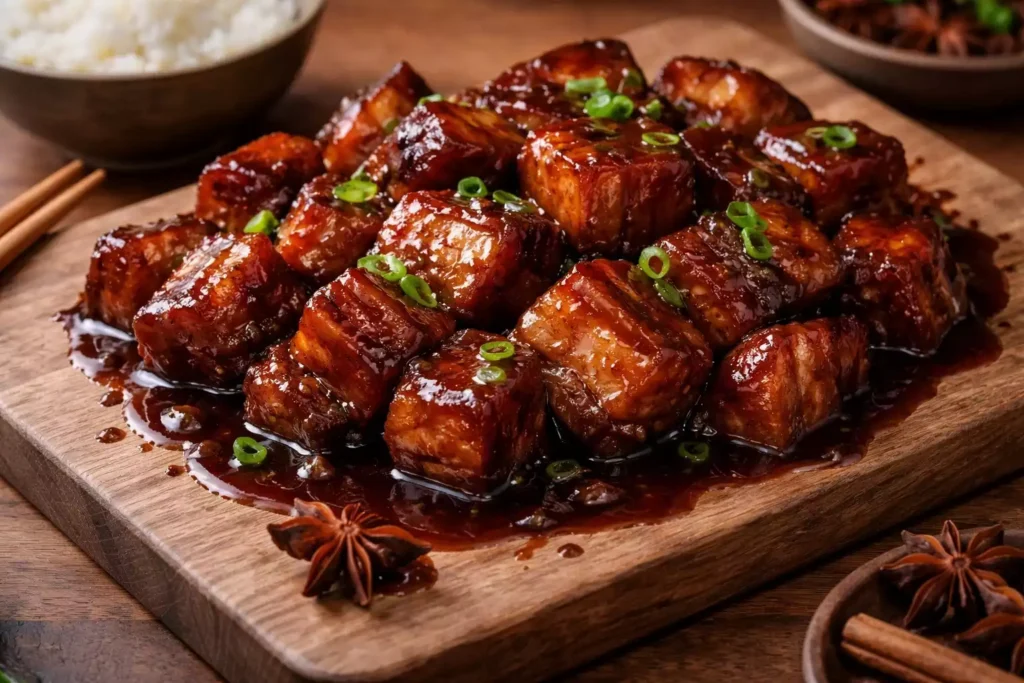
Hong Shao Rou — Red-Braised Pork Belly
Mao Zedong’s favourite dish. Thick slices of pork belly braised in soy sauce, Shaoxing wine, rock sugar, and star anise until meltingly tender and lacquered in a rich, dark sauce. The kind of pork belly that makes you understand why this dish has been made for centuries.
Kasia’s Chinese Cooking Tips
Stock the pantry first. Chinese cooking is fast once the ingredients are there. The bottleneck is the pantry — Shaoxing rice wine, oyster sauce, light and dark soy sauce, sesame oil, doubanjiang (Sichuan bean paste), cornstarch, and rice vinegar. These last months and cost less than one week of takeout. Buy them once and cook Chinese for a year.
Velveting is the restaurant secret. Marinating sliced meat in baking soda and cornstarch before cooking — velveting — produces the silky, tender texture that distinguishes restaurant Chinese beef and chicken from tough home-cooked stir-fry. It takes 20 minutes of passive marination and makes a complete difference. Use it for beef, chicken, and pork in stir-fries.
Get the wok — or the cast iron — properly hot. Chinese stir-fry is cooked at temperatures most Western cooking never reaches. The pan must be visibly smoking before the oil goes in. The oil must be shimmering and beginning to smoke before the food goes in. High heat is not a suggestion; it is the technique. No heat, no wok hei.
Prep everything before you start. Stir-fry cooking happens in 5 minutes and you cannot stop to chop garlic in the middle of it. Mise en place — everything cut, measured, sauced — before the burner goes on. This single habit is the difference between a stressful stir-fry and a smooth one.
Cornstarch is the thickener. Chinese sauces are thickened with cornstarch slurry (cornstarch dissolved in cold water), not flour or cream. The slurry is added at the end of cooking and thickens within 30 seconds. It produces a glossy, clear sauce rather than an opaque roux-thickened one. Add it gradually — a little goes a long way.
Frequently Asked Questions
What Chinese pantry staples do I need to get started?
The essential starter pantry: light soy sauce, dark soy sauce, oyster sauce, sesame oil, Shaoxing rice wine (or dry sherry), rice vinegar, cornstarch, and hoisin sauce. These eight ingredients cover the sauce base for the majority of Chinese home cooking. Add doubanjiang (Sichuan bean paste) and Sichuan peppercorns when you’re ready for Sichuan-style cooking. Find these at any Asian grocery store or order online — they last months and transform everything.
Do I need a wok to cook Chinese food at home?
No, but it helps. A wok’s sloped sides allow you to push food up out of the direct heat while something else cooks — a convenience that makes stir-fry more manageable. A carbon steel wok is the best choice: lightweight, responsive to heat changes, and develops naturally non-stick properties over time. If you don’t have one, a large cast iron skillet gets hot enough and produces very good results. A regular non-stick pan gets not hot enough and produces steamed food rather than stir-fried.
What is velveting and do I have to do it?
Velveting is the technique of marinating sliced meat in baking soda and cornstarch (and sometimes egg white and oil) before cooking. The baking soda raises the pH and prevents the proteins from tightening during the high-heat cook, producing meat that stays tender and silky rather than tough and chewy. You don’t have to do it — but you will taste the difference in every stir-fry you make with velveted meat versus without. It takes 20 minutes of passive marination and zero active effort. Do it.
Is Chinese home cooking difficult to learn?
The techniques are learnable but different from Western cooking — high heat, fast timing, prep-before-you-start. The learning curve is real and the first few stir-fries will probably be slightly off. But the fundamentals click quickly and the technique becomes intuitive faster than you expect. Start with the tomato egg stir-fry (foolproof) and lo mein (flexible), build confidence, then move to velveting and Sichuan dishes. Three months of weekly practice produces someone who can make very good Chinese food at home. I know this from personal experience.
Can I substitute ingredients I can’t find?
Some substitutions work well; others change the dish significantly. Dry sherry for Shaoxing wine: works. Tamari for soy sauce: works. Regular chili paste for doubanjiang: produces a different, less complex heat. Lime juice for rice vinegar: acceptable in a pinch. The closer you get to the original ingredients, the closer the result to the intended flavor. For authentic Sichuan flavor specifically — doubanjiang and Sichuan peppercorns are not substitutable; order them online if you can’t find them locally.
All Chinese Recipes
Kung Pao Chicken
Kung Pao Shrimp
Orange Chicken
Sesame Chicken
Beef and Broccoli
Chinese Tomato and Egg Stir-Fry
Lo Mein
Chow Mein
Sweet and Sour Chicken
Mapo Tofu
Chinese Dumplings — Jiaozi
Congee — Chinese Rice Porridge
Egg Drop Soup
Hot and Sour Soup
Mongolian Beef
Szechuan Beef
Dan Dan Noodles
Scallion Pancakes
Char Siu BBQ Pork
Hong Shao Rou — Red-Braised Pork Belly
Related collections: American Comfort Food · Spicy Asian Recipes · Easy Dinner Recipes
Kasia Polish Mom
Polish-born, Chicago-raised, feeding a family of six with babcia’s recipes and a global pantry. I grew up folding pierogi at my grandmother’s kitchen table and never stopped — 15+ years of cooking from scratch, one Sunday dinner at a time. Everything here is tested on four kids, a hungry husband, and the memory of a woman who never measured anything but always got it right.