Kopytka (Polish Potato Dumplings)
If gnocchi and pierogi had a baby, it would be kopytka. Less work than either one and just as satisfying — maybe more, because you skip the whole filling-and-pinching drama that makes pierogi a weekend project. Kopytka are the dumplings my mama made on busy weeknights when pierogi was too much effort but boiled potatoes alone felt like giving up.
Ingredients
- 2 pounds potatoes 900g; starchy ones like Russets work best. Waxy potatoes have too much moisture and you’ll need more flour, which makes them tough.
- 1½ to 2 cups all-purpose flour 190-250g; start with less, add more as needed. The exact amount depends on how wet your potatoes are.
- 1 large egg
- 1 teaspoon salt
For the Butter & Breadcrumb Topping (Okruszki)
- 4 tablespoons butter
- ½ cup plain breadcrumbs 60g
- Pinch of salt
Method
Cook and Mash the Potatoes
-
Peel the potatoes, cut into chunks, and boil in salted water until fork-tender — about 15-20 minutes. Drain them well. This is important: wet potatoes mean wet dough, wet dough means adding more flour, and more flour means tough, chewy dumplings. Nobody wants that.
-
Mash the potatoes while they’re still hot. Use a potato ricer if you have one — it gives you the smoothest result with zero lumps. A regular masher works fine too, just be thorough. You want a smooth, lump-free mash. Let it cool until you can comfortably handle it — warm is fine, hot will cook the egg.
Make the Dough
-
Add the egg and salt to the mashed potatoes and mix. Then add the flour, starting with 1½ cups. Mix with your hands until a soft dough forms. It should be slightly sticky but workable. If it’s sticking to everything including your soul, add more flour a tablespoon at a time. If it feels dry and crumbly, your potatoes were too dry — add a tiny splash of water.
-
Here’s the thing my mama always said: nie za dużo mąki — not too much flour. Every extra tablespoon makes the dumplings heavier and chewier. You want the minimum amount that lets you roll the dough without it falling apart. It should feel like playdough, not bread dough.
Shape the Kopytka
-
Divide the dough into 4 portions. On a lightly floured surface, roll each portion into a long rope about ¾ inch (2cm) thick. Cut the rope into 1-inch pieces, cutting at a diagonal angle — that’s what gives them the “hoof” shape. Don’t stress about perfection. My kids help with this step and theirs look like abstract art, and they taste exactly the same.
Boil
-
Bring a large pot of salted water to a boil. Drop the kopytka in batches — don’t overcrowd or they’ll stick together. They’ll sink to the bottom. When they float to the surface (about 2-3 minutes), give them one more minute, then scoop them out with a slotted spoon. That’s it. Floating = done.
Make the Topping
-
Melt butter in a skillet over medium heat. Add the breadcrumbs and toast, stirring constantly, until golden and fragrant — about 3-4 minutes. Toss the boiled kopytka in the buttery breadcrumbs until evenly coated. Serve immediately.
Kasia Polish Mom
Polish-born, Chicago-raised, feeding a family of six with babcia’s recipes and a global pantry. I grew up folding pierogi at my grandmother’s kitchen table and never stopped — 15+ years of cooking from scratch, one Sunday dinner at a time. Everything here is tested on four kids, a hungry husband, and the memory of a woman who never measured anything but always got it right.
Kopytka — Polish Potato Dumplings (Poland’s Better Gnocchi)
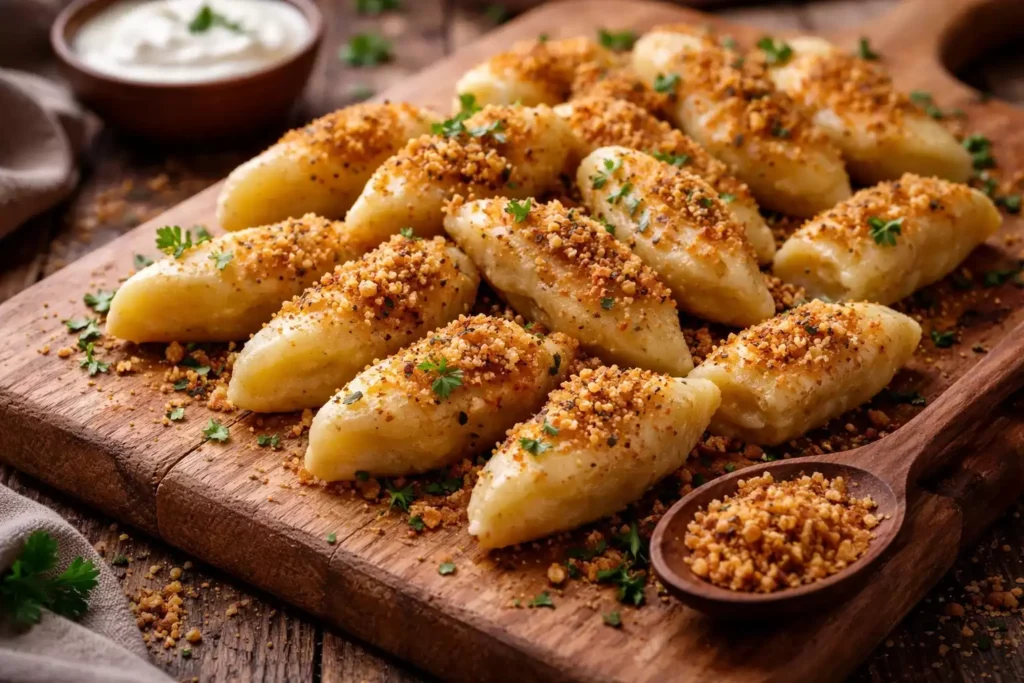
If gnocchi and pierogi had a baby, it would be kopytka. Less work than either one and just as satisfying — maybe more, because you skip the whole filling-and-pinching drama that makes pierogi a weekend project. Kopytka are the dumplings my mama made on busy weeknights when pierogi was too much effort but boiled potatoes alone felt like giving up.
The name means “little hooves” in Polish, because that’s exactly what they look like — tiny horse hooves. My boys thought that was hilarious when I told them. My daughter thought it was gross. Both reactions are correct. The shape comes from cutting the dough at an angle, and honestly, even if yours look more like little pillows than hooves, nobody’s going to complain once they’re swimming in butter and breadcrumbs.
What Are Kopytka?
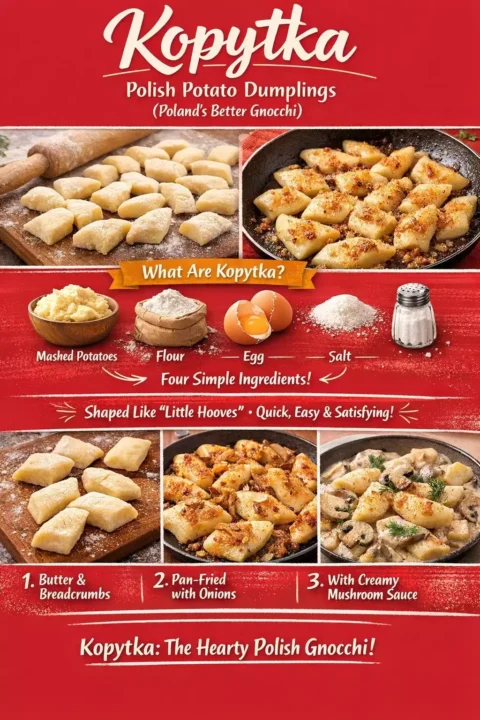
Kopytka (pronounced koh-PIT-kah) are Polish potato dumplings made from mashed potatoes, flour, egg, and salt. That’s it. Four ingredients. No fancy technique, no special equipment, no prayers to the dumpling gods. You mash, you mix, you roll, you cut, you boil. Twenty minutes from “I should make dinner” to “dinner is ready.”
If you’ve had Italian gnocchi, you’ll recognise the concept — both are potato dumplings. But kopytka are denser, chewier, and more substantial. Gnocchi aims for light and pillowy. Kopytka aims for hearty and satisfying. Think of gnocchi as the elegant cousin who studied abroad, and kopytka as the one who stayed home and can carry three bags of groceries in each hand. Both great. Different energy.
In Poland, kopytka are served as a side dish with everything from goulash to mushroom sauce to just a pile of sautéed onions. My babcia (that’s grandma in Polish) served them with whatever sauce was on the stove that day. My mama’s favourite was kopytka with a simple brown butter and breadcrumb topping — okruszki. It’s what I grew up eating every other Thursday, and it’s still what I make when I need food that feels like a hug.
Ingredients
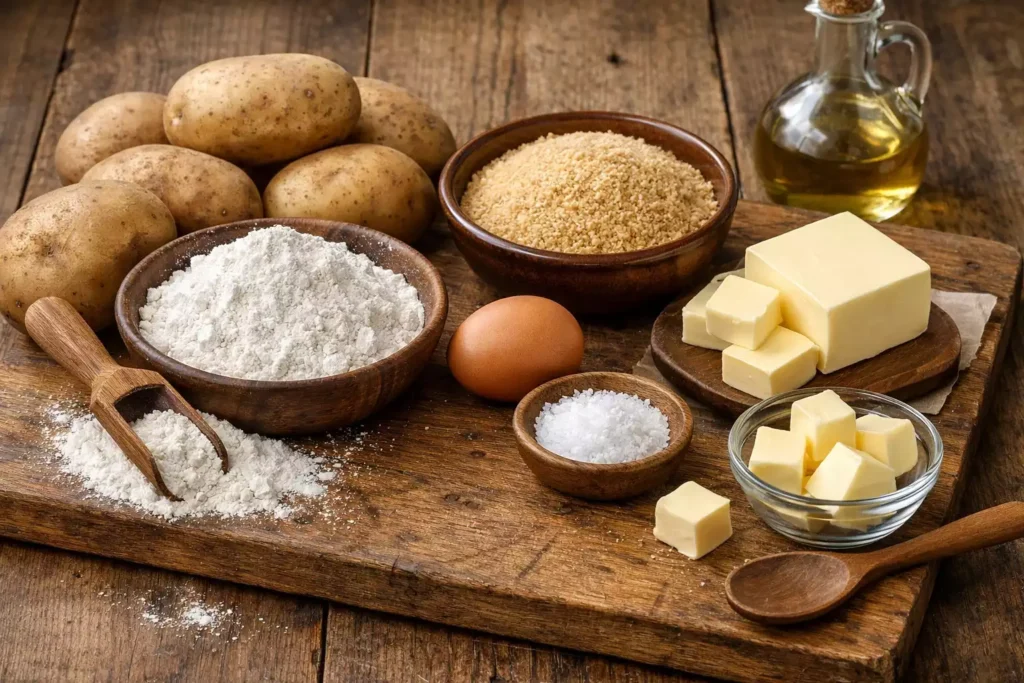
- • 2 pounds (900g) potatoes — starchy ones like Russets work best. Waxy potatoes have too much moisture and you’ll need more flour, which makes them tough.
- • 1½ to 2 cups (190-250g) all-purpose flour — start with less, add more as needed. The exact amount depends on how wet your potatoes are.
- • 1 large egg
- • 1 teaspoon salt
For the Butter & Breadcrumb Topping (Okruszki)
- • 4 tablespoons butter
- • ½ cup (60g) plain breadcrumbs
- • Pinch of salt
How to Make Kopytka Step by Step
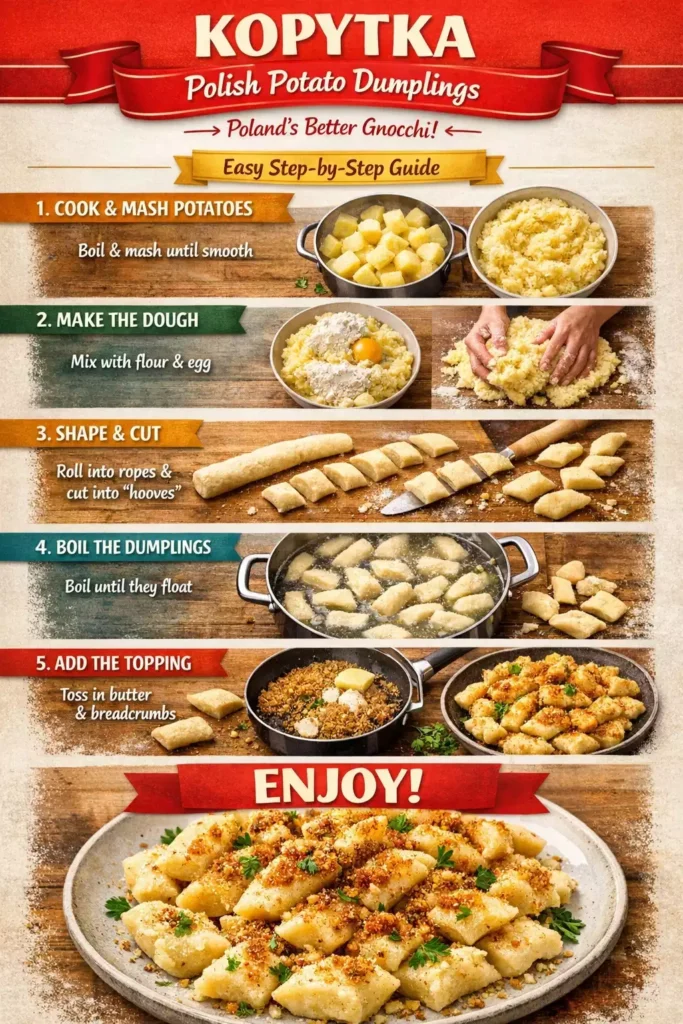
Cook and Mash the Potatoes
Peel the potatoes, cut into chunks, and boil in salted water until fork-tender — about 15-20 minutes. Drain them well. This is important: wet potatoes mean wet dough, wet dough means adding more flour, and more flour means tough, chewy dumplings. Nobody wants that.
Mash the potatoes while they’re still hot. Use a potato ricer if you have one — it gives you the smoothest result with zero lumps. A regular masher works fine too, just be thorough. You want a smooth, lump-free mash. Let it cool until you can comfortably handle it — warm is fine, hot will cook the egg.
Make the Dough
Add the egg and salt to the mashed potatoes and mix. Then add the flour, starting with 1½ cups. Mix with your hands until a soft dough forms. It should be slightly sticky but workable. If it’s sticking to everything including your soul, add more flour a tablespoon at a time. If it feels dry and crumbly, your potatoes were too dry — add a tiny splash of water.
Here’s the thing my mama always said: nie za dużo mąki — not too much flour. Every extra tablespoon makes the dumplings heavier and chewier. You want the minimum amount that lets you roll the dough without it falling apart. It should feel like playdough, not bread dough.
Shape the Kopytka
Divide the dough into 4 portions. On a lightly floured surface, roll each portion into a long rope about ¾ inch (2cm) thick. Cut the rope into 1-inch pieces, cutting at a diagonal angle — that’s what gives them the “hoof” shape. Don’t stress about perfection. My kids help with this step and theirs look like abstract art, and they taste exactly the same.
Boil
Bring a large pot of salted water to a boil. Drop the kopytka in batches — don’t overcrowd or they’ll stick together. They’ll sink to the bottom. When they float to the surface (about 2-3 minutes), give them one more minute, then scoop them out with a slotted spoon. That’s it. Floating = done.
Make the Topping
Melt butter in a skillet over medium heat. Add the breadcrumbs and toast, stirring constantly, until golden and fragrant — about 3-4 minutes. Toss the boiled kopytka in the buttery breadcrumbs until evenly coated. Serve immediately.
Three Ways to Serve Kopytka
1. Classic Butter and Breadcrumbs (Okruszki)
The way I described above. Simple, traditional, and the way 90% of Polish households serve them. The breadcrumbs add crunch and the browned butter adds nutty richness. This is the one my mama made, and the one I make most often.
2. Pan-Fried with Onions
After boiling, fry the kopytka in butter with sliced onions until golden on the outside. The crispy edges and sweet caramelised onions make this version incredible as a side with kotlet schabowy or a simple salad. My husband eats an alarming quantity when I make them this way.
3. With Mushroom Sauce
Sauté sliced mushrooms with garlic, add a splash of cream and fresh dill, pour over boiled kopytka. This is the “company’s coming” version. Looks impressive, tastes incredible, takes 10 extra minutes. Serve it alongside mizeria (Polish cucumber salad) for a full Polish dinner that’ll make your babcia proud.
Tips From My Kitchen to Yours
💡 Pro Tips
✓ Use starchy potatoes. Russets or Idaho potatoes are perfect. Waxy potatoes (like red or fingerling) have too much moisture and require more flour, which makes the dumplings heavy.
✓ Drain the potatoes well. Let them sit in the colander for a few minutes after draining. Some people even put them back in the hot pot for a minute to steam off excess moisture. Dry potatoes = light dumplings.
✓ Don’t overwork the dough. Mix until just combined. Kneading develops gluten, which makes the dumplings chewy instead of tender.
✓ The float test is real. When they float, they’re done. Don’t leave them in the water hoping they’ll get better — they’ll just get waterlogged and sad.
✓ Make extra and freeze. Boil the kopytka, let them cool on a baking sheet (so they don’t stick), then freeze. Cook from frozen by dropping into boiling water — they’ll take about 4-5 minutes instead of 3.
Kopytka vs. Gnocchi vs. Kluski Śląskie
People always ask me about the difference, so here’s the quick version. Kopytka and gnocchi both use potatoes, flour, and egg, but kopytka are firmer and chewier while gnocchi are softer and lighter. Kluski śląskie (Silesian dumplings) use potato starch instead of flour and have a distinctive hole in the middle — that hole catches gravy like a tiny bowl. And pierogi? Pierogi are a completely different thing — they’re filled dumplings wrapped in dough, not solid potato dumplings. Poland has a lot of dumplings. We take our carbs seriously.
How to Store Kopytka
Cooked kopytka keep in the fridge for 3-4 days. Reheat by pan-frying in butter — this actually makes them better because you get crispy edges. They also freeze beautifully for up to 3 months. I always make a double batch because future-me always thanks present-me for the frozen kopytka stash.
Frequently Asked Questions
Can I make kopytka without egg?
You can, but the egg helps bind the dough and makes the texture smoother. Without it, you’ll need a bit more flour and the dumplings will be slightly crumblier. It works, but it’s not my preference.
Why are my kopytka falling apart in the water?
Not enough flour. The dough was too wet, so the dumplings couldn’t hold together during boiling. Add flour gradually until the dough holds its shape when rolled and cut. A test dumpling is your best friend — boil one first to check before committing the whole batch.
What do kopytka taste like?
Imagine the softest, most potato-y potato flavour, with a gentle chew. They’re mild and starchy — the perfect blank canvas for whatever sauce or topping you throw at them. On their own they’re simple. With browned butter and breadcrumbs they’re heaven. With mushroom sauce they’re a full experience. They taste like a Polish grandma’s kitchen on a Thursday night, and I don’t know how to describe that any better.
Are kopytka gluten-free?
Traditional kopytka use wheat flour, so no. But you can substitute with a gluten-free all-purpose flour blend — the texture will be slightly different but still good. Some recipes use potato starch instead of flour (that’s closer to kluski śląskie), which would make them naturally gluten-free.
Kasia Polish Mom
Polish-born, Chicago-raised, feeding a family of six with babcia’s recipes and a global pantry. I grew up folding pierogi at my grandmother’s kitchen table and never stopped — 15+ years of cooking from scratch, one Sunday dinner at a time. Everything here is tested on four kids, a hungry husband, and the memory of a woman who never measured anything but always got it right.
Beef and Broccoli — The 20-Minute Weeknight Hero
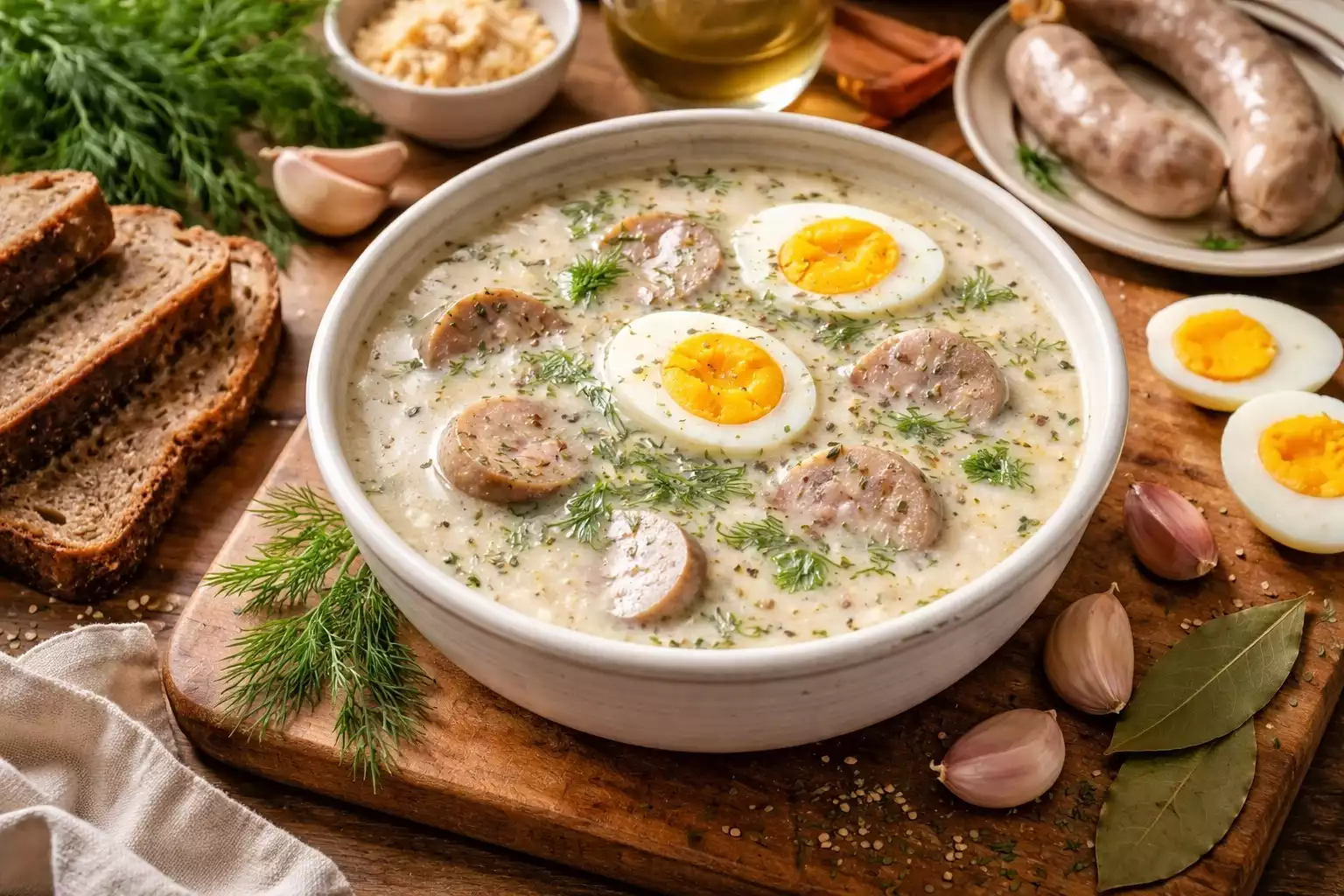
Biały Barszcz — Poland’s Other Easter Soup
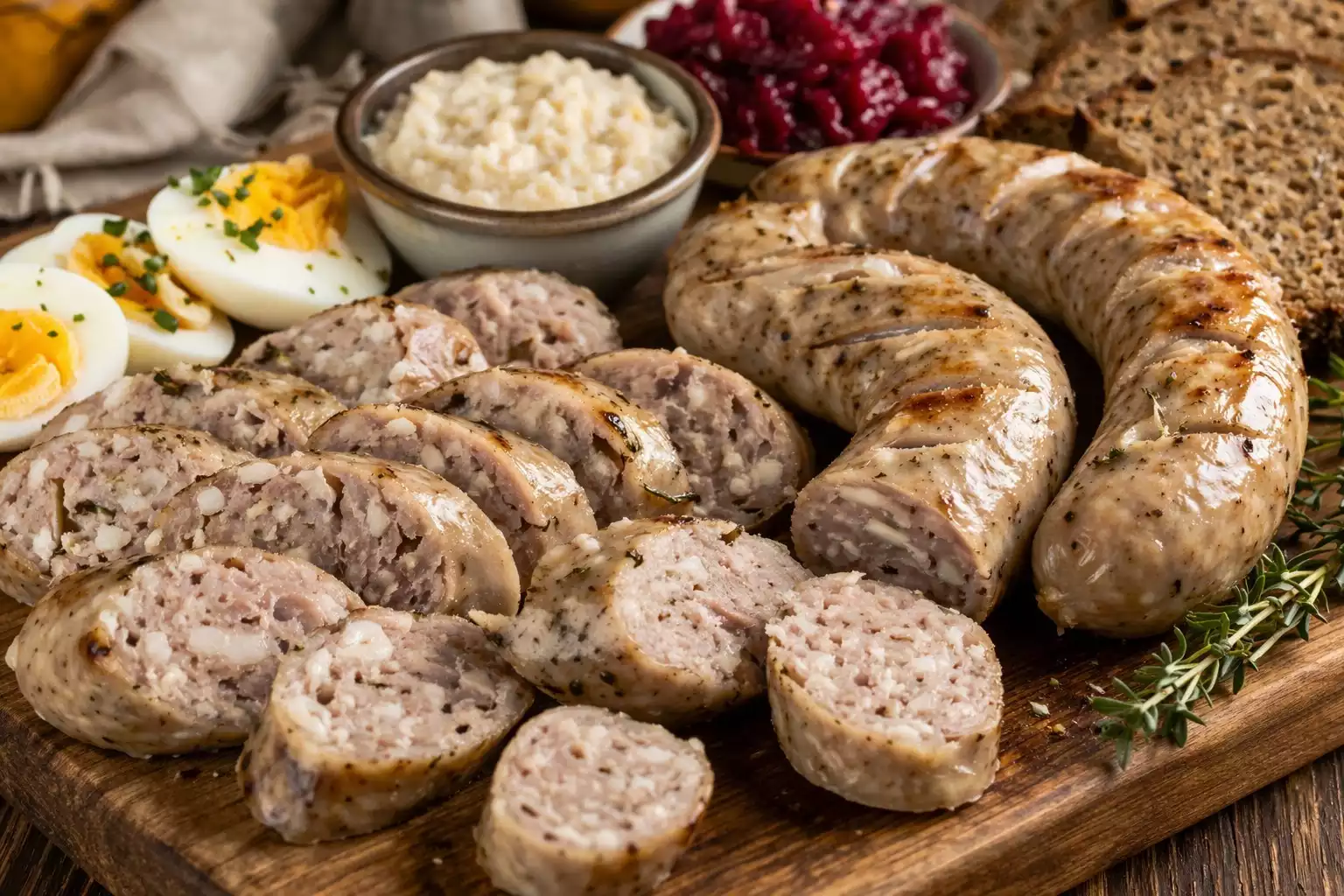
Biała Kiełbasa — The Easter Sausage Every Polish Table Needs
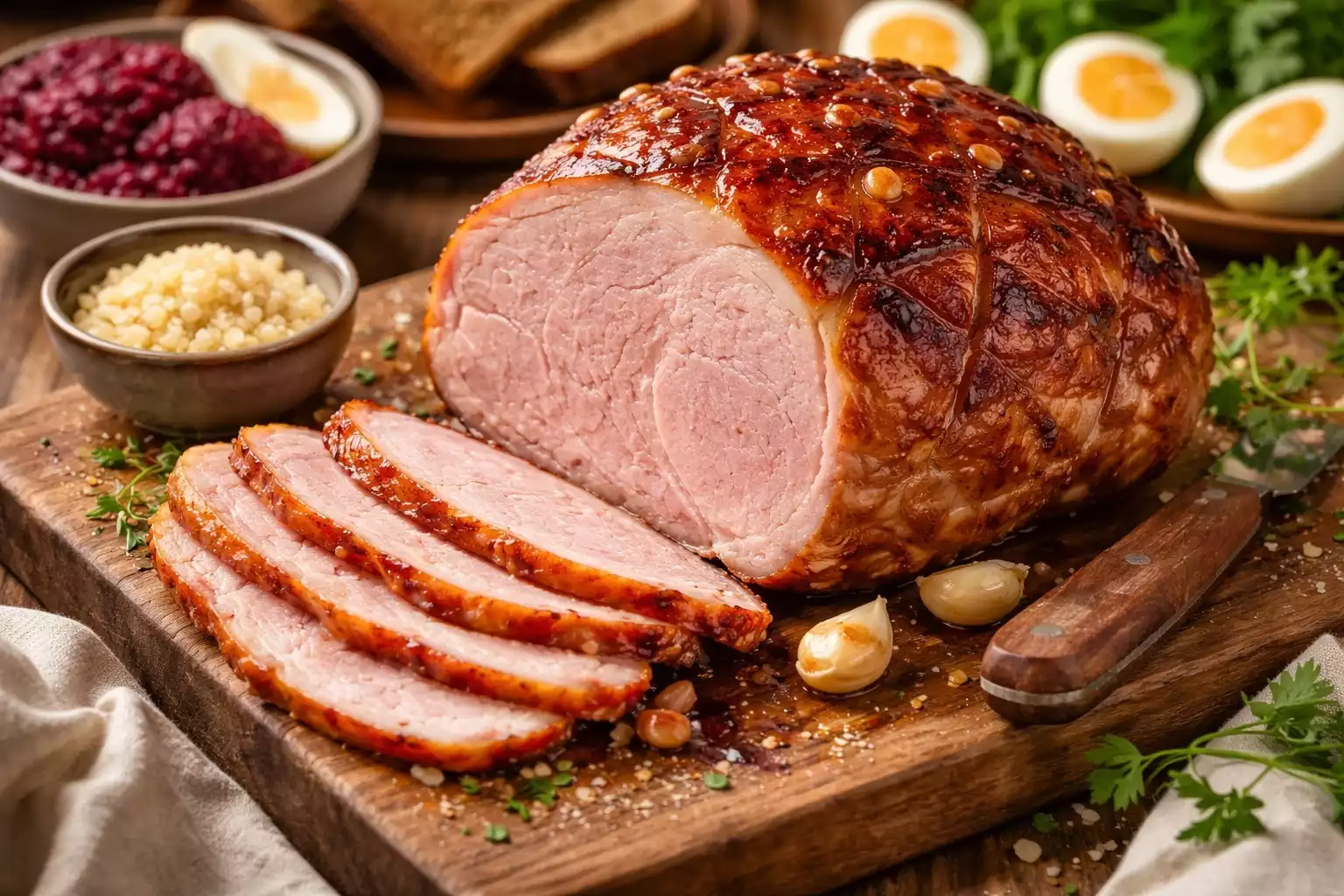
Szynka Wielkanocna — Polish Easter Ham Done Right
Babka Piaskowa — The Foolproof Polish Easter Cake