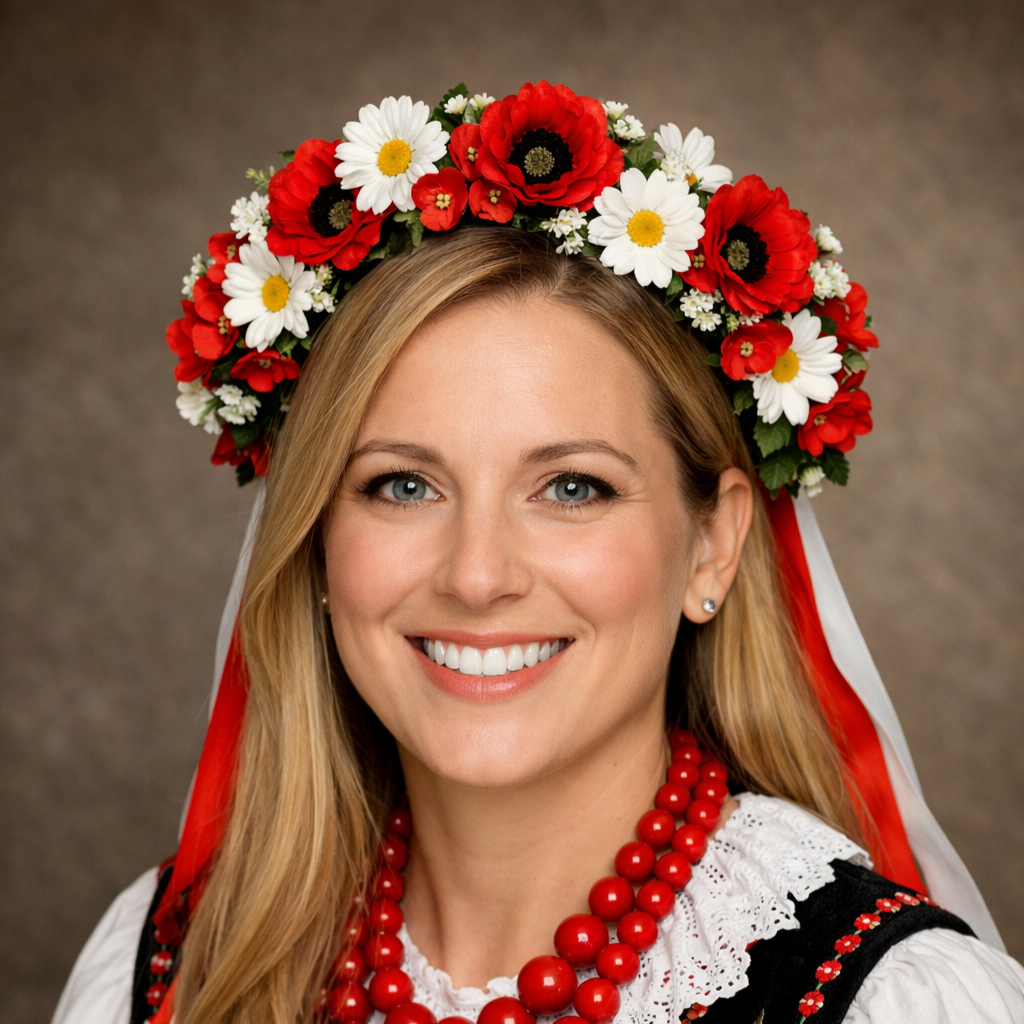
Kasia Polish Mom
Polish-born, Chicago-raised, feeding a family of six with babcia’s recipes and a global pantry. I grew up folding pierogi at my grandmother’s kitchen table and never stopped — 15+ years of cooking from scratch, one Sunday dinner at a time. Everything here is tested on four kids, a hungry husband, and the memory of a woman who never measured anything but always got it right.
8 Genius Polish-Fusion Recipes You’ve Never Seen
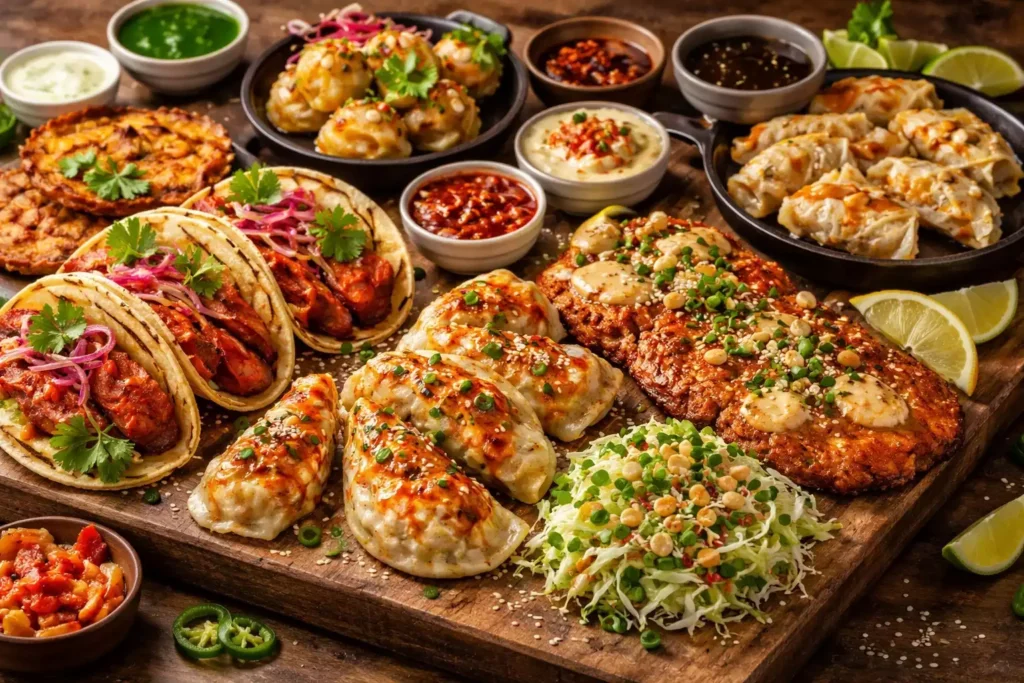
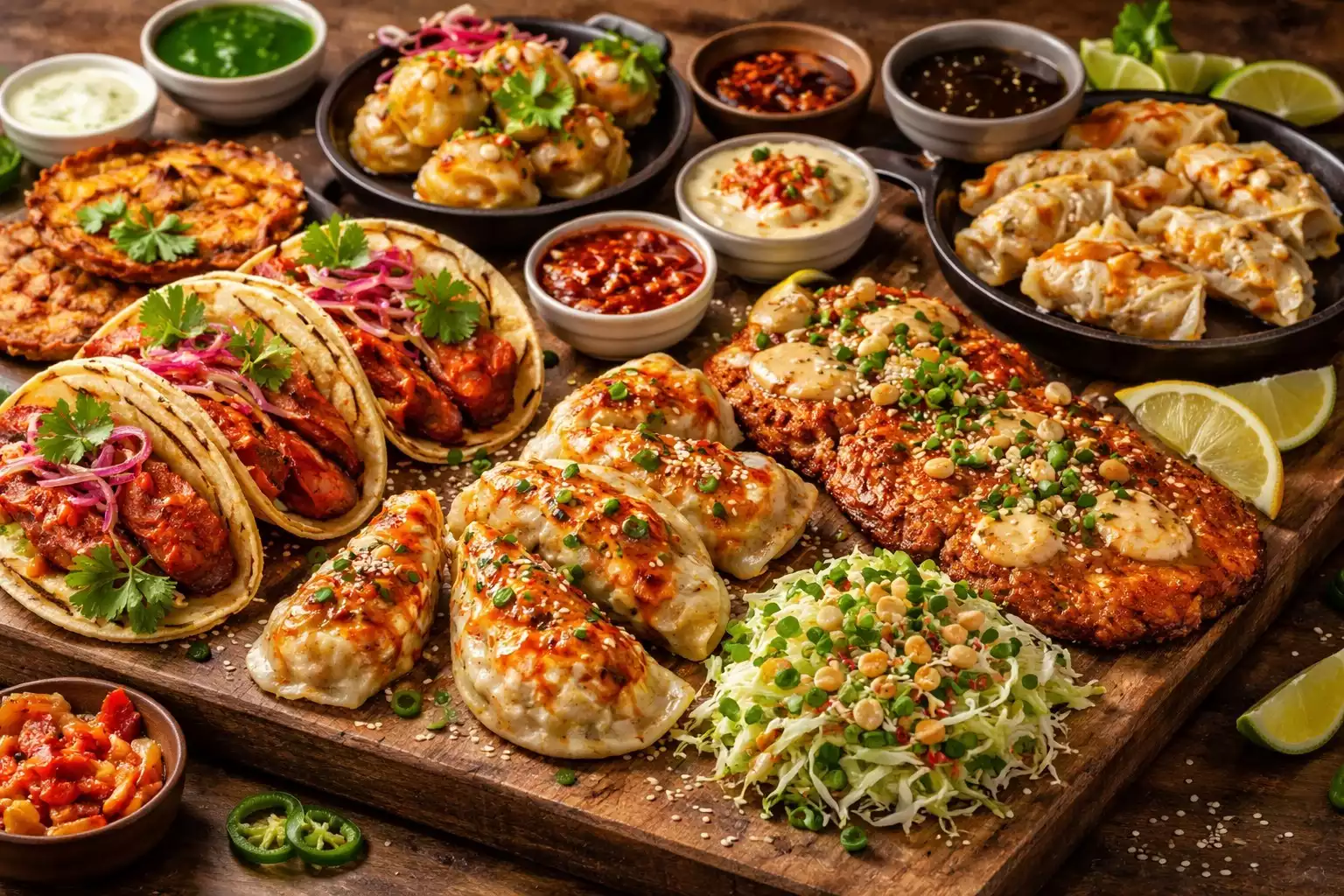
This is where Polish Mom gets weird — and by weird, I mean wonderful. Every recipe on this page combines babcia’s Polish techniques with flavours from Korea, Mexico, Japan, or Thailand. These aren’t random mashups. Each one is built on a genuine connection between cuisines: sauerkraut ↔ kimchi (both lacto-fermented cabbage), pierogi ↔ gyoza (both filled dumplings), schabowy ↔ katsu (both breaded cutlets). The fusion works because the bridge already exists. I’m just making it visible.
These recipes are the heart of Polish Mom — the reason this blog exists. I started cooking globally when I realised that babcia’s techniques transfer across every cuisine. Her three-station breading method works on Korean gochujang cutlets. Her pierogi-folding skills translate directly to gyoza. Her “nic się nie marnuje” (nothing goes to waste) philosophy is identical to every budget-cooking tradition worldwide. Polish Mom fusion isn’t about forcing cuisines together — it’s about highlighting connections that already exist.
The Signature Recipes
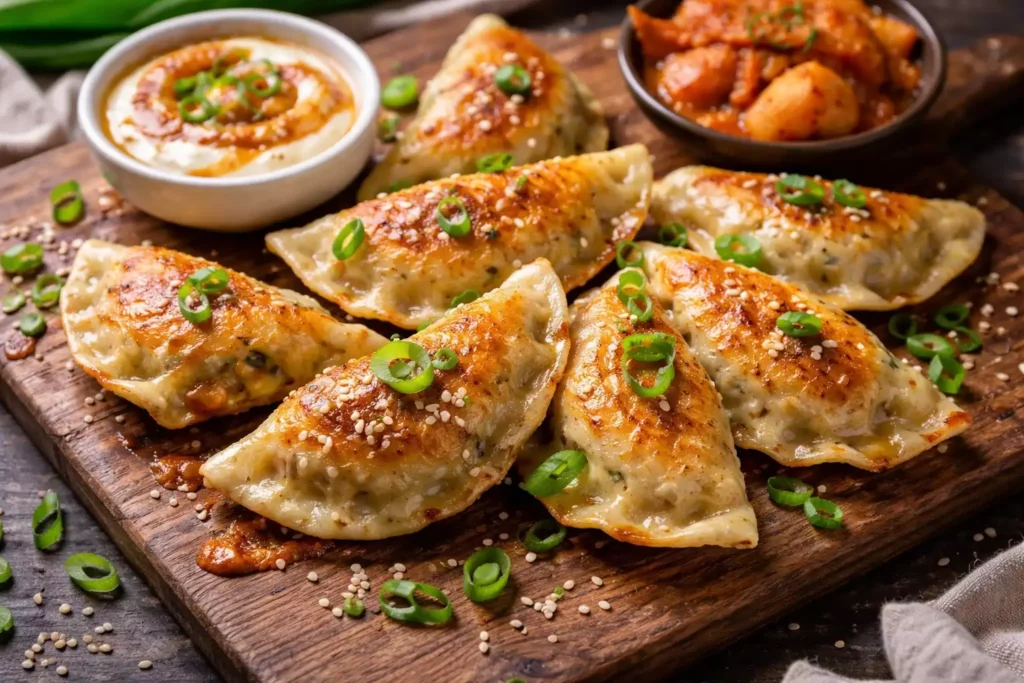
Kimchi Pierogi
The recipe that started everything. Babcia’s pierogi dough + kimchi filling + gochujang sour cream. Sauerkraut and kimchi are both lacto-fermented cabbage — putting kimchi INSIDE pierogi is removing the “alongside” and making it “within.” The most popular recipe on Polish Mom and the one that defines the blog’s philosophy.
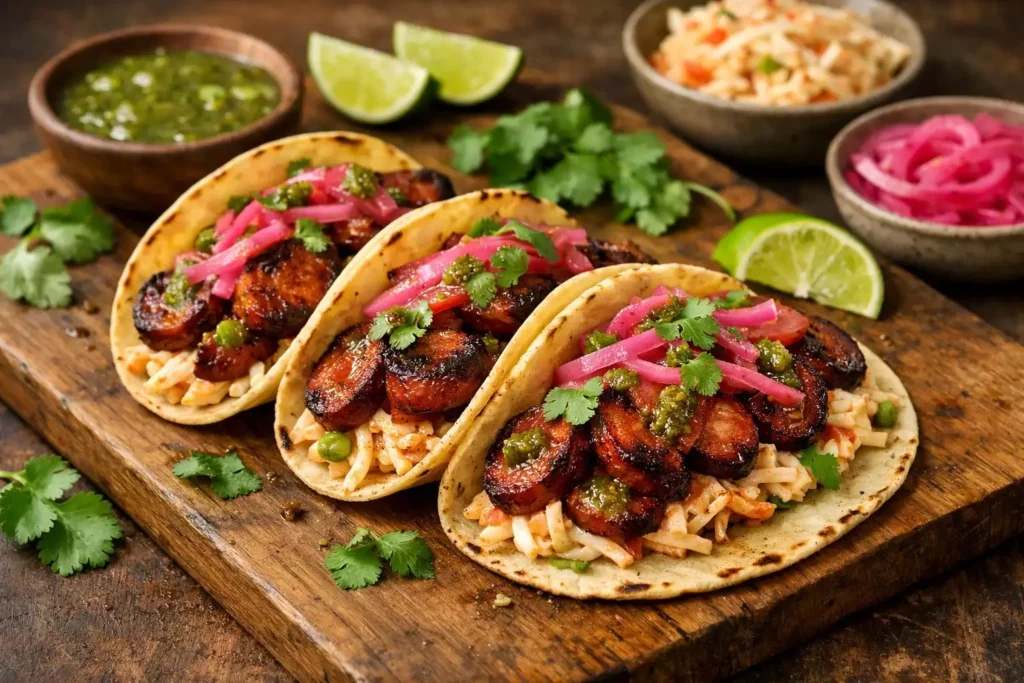
Chipotle Kielbasa Tacos
Polish kielbasa in Mexican tacos with chipotle slaw and pickled onions. My dad saw me put kielbasa in a taco and looked at me like I’d committed a crime. Then he ate three. Cabbage is the bridge ingredient — Poland serves kielbasa with sauerkraut, Mexico serves tacos with cabbage slaw. Same rich-meat-plus-acidic-cabbage logic.
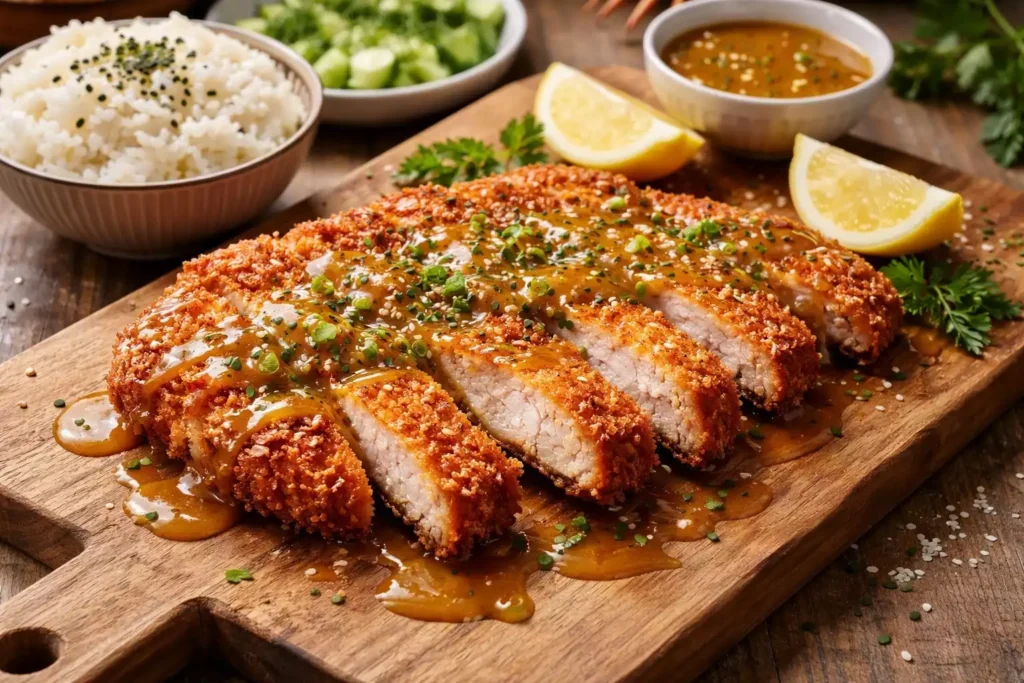
Miso Butter Kotlet Schabowy
Three cuisines on one plate: Polish pounding technique + Japanese panko breading + miso butter sauce. Schabowy meets katsu meets umami. Babcia would be confused by the miso butter. But she’d eat three of these.
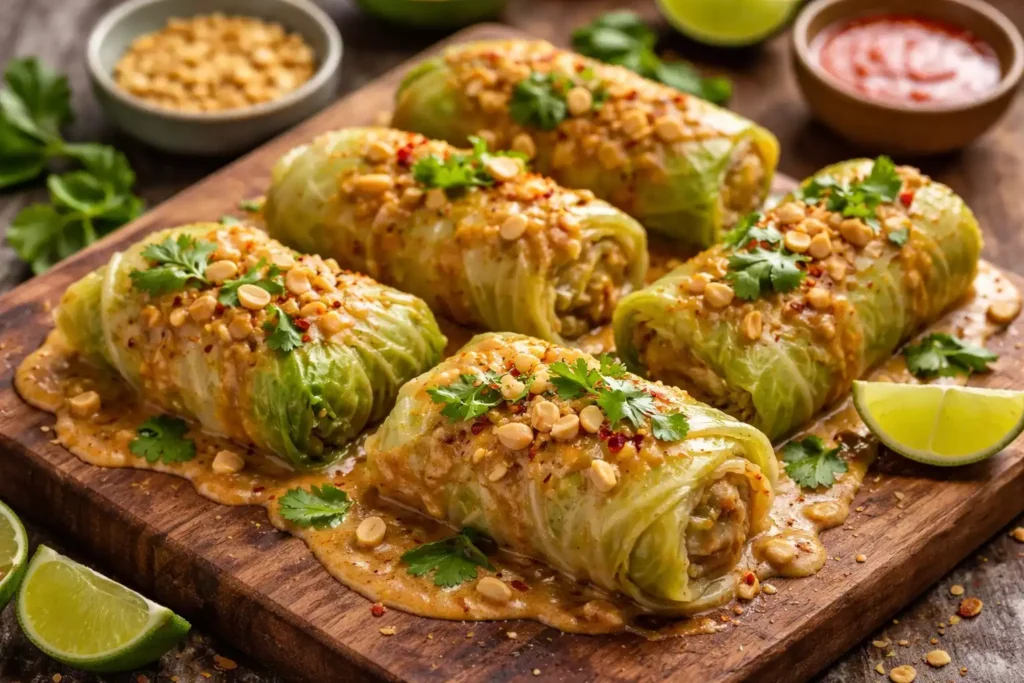
Thai Peanut Cabbage Rolls (Gołąbki Remix)
Babcia’s gołąbki rolling technique with Thai peanut chicken filling and coconut-peanut braising sauce. Same rolling method she taught me. Completely different filling. The construction is Polish. The flavour is Thai. The result is better than either original.
The Bold Experiments
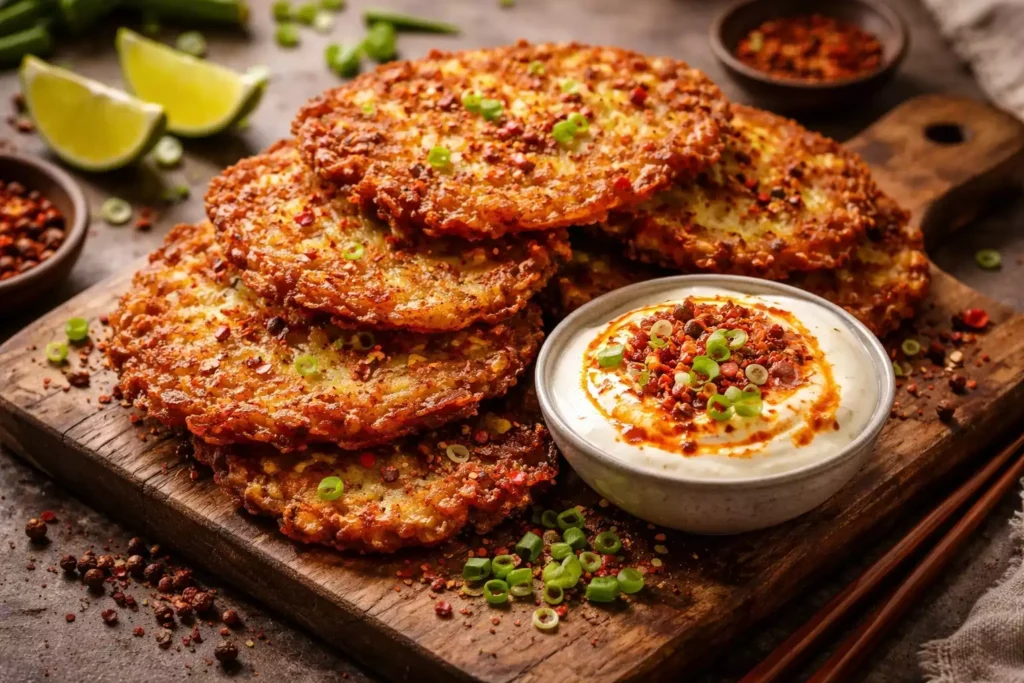
Szechuan Placki (Spicy Potato Pancakes)
Szechuan peppercorns in Polish potato pancake dough. The numbing tingle of má combined with chilli crisp sour cream. My most controversial recipe — the family group chat erupted when I posted it. My aunt said “babcia rolling in grave.” My mother made it three times with MORE peppercorn.
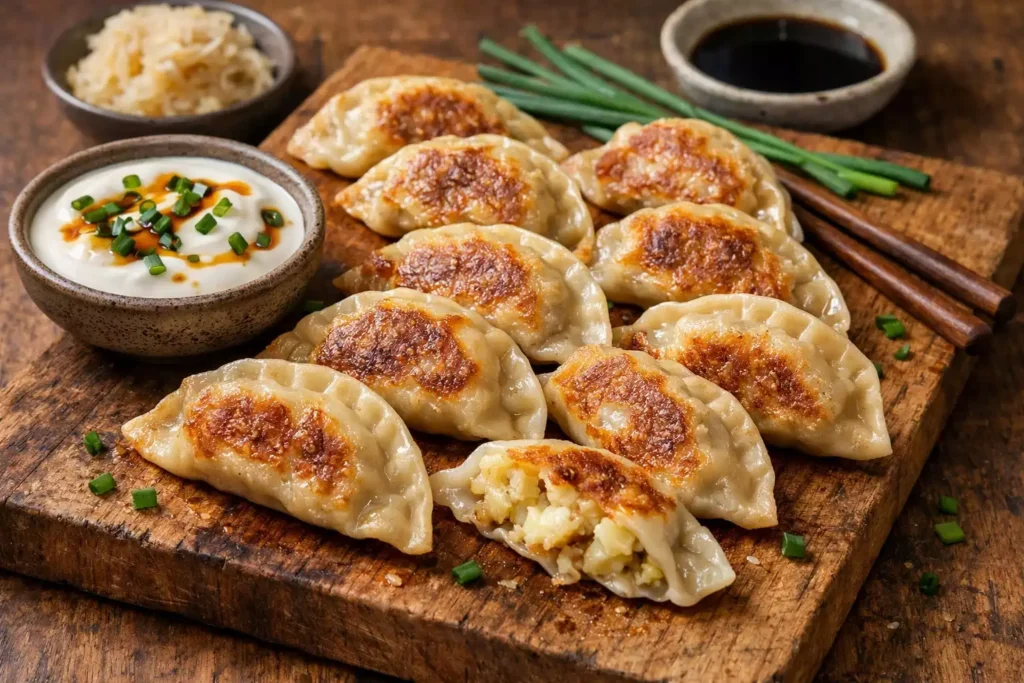
Pierogi Gyoza (Pan-Fried Hybrid)
Gyoza wrappers + pierogi filling, pan-fried with the crispy-bottom technique. Laziness as the mother of genius — I was too tired to make pierogi dough and used gyoza wrappers instead. The result was thinner, crispier, and faster. Served with a ponzu-sour cream sauce that bridges both dumpling traditions.
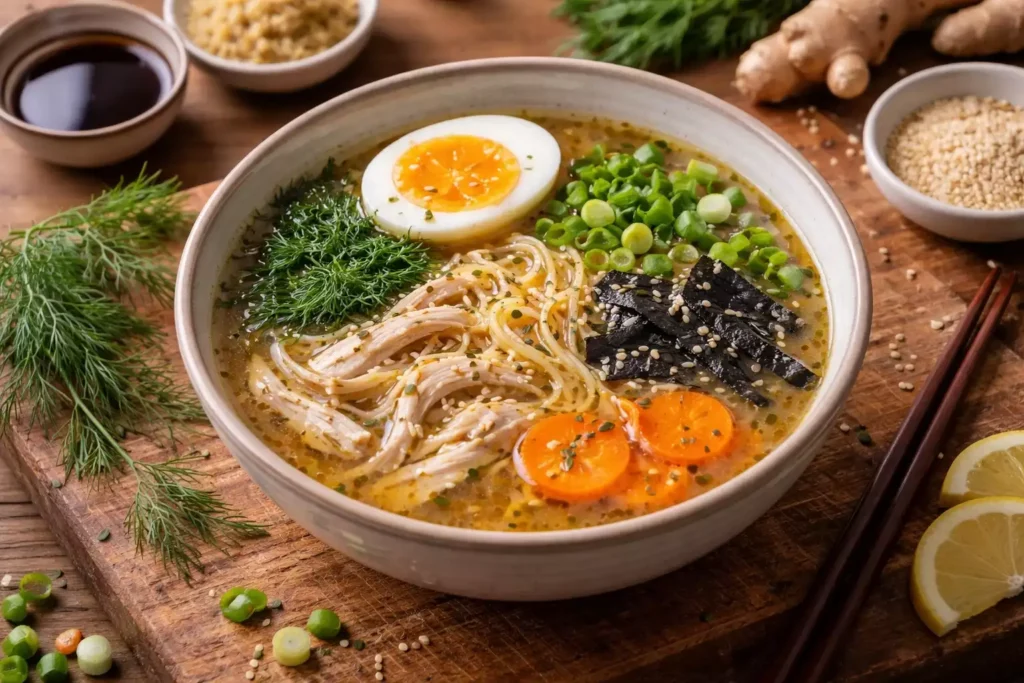
Miso Rosół (Polish-Japanese Chicken Broth)
Poland’s healing chicken broth + Japanese miso paste + fresh ginger. Two healing soup traditions combined into one “super-soup.” The miso deepens the rosol without changing its soul. Topped with both dill AND green onions — two herbs from two traditions coexisting in one bowl.
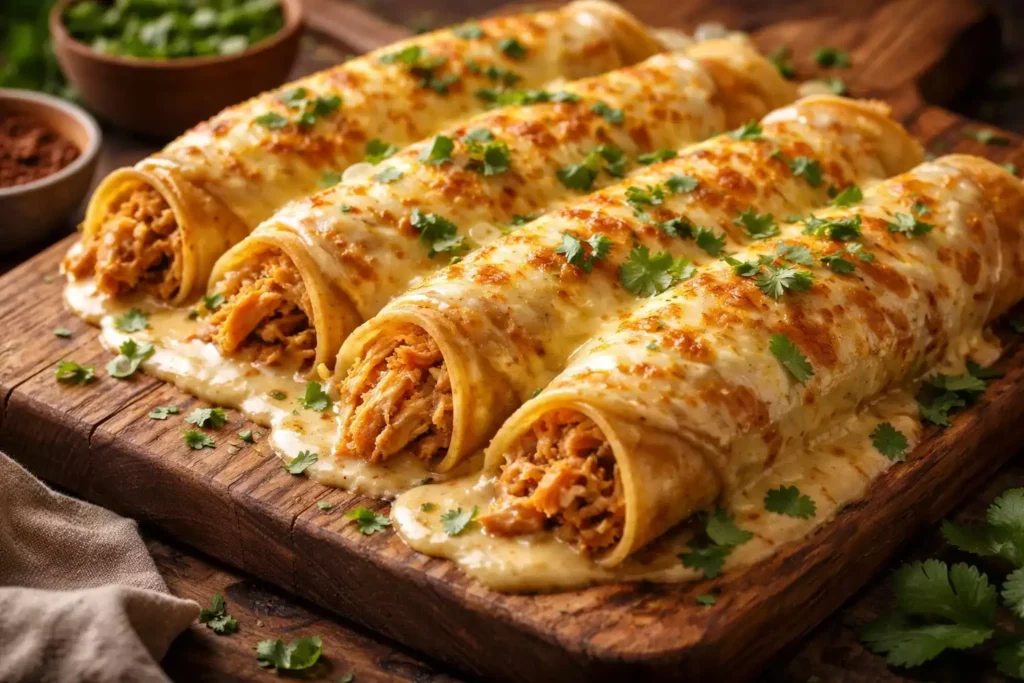
Chipotle Sour Cream Naleśniki (Savoury Crepes)
Polish crepes used as enchilada wrappers, filled with chipotle chicken, baked in smoky cream sauce. Naleśniki and enchiladas are the same concept in different languages — thin wrapper, savoury filling, sauce, bake. I just made them shake hands.
The Fusion Philosophy
Every fusion recipe on this page follows one rule: there must be a genuine bridge between the cuisines. I don’t just throw random ingredients together. Kimchi goes in pierogi because sauerkraut already sits alongside them. Miso goes in rosol because both are healing broths. Gochujang goes on schabowy because the three-station breading technique is universal. The fusion respects both traditions by building on what they share.
Start with kimchi pierogi if you’re fusion-curious. It’s the most accessible entry point and the one that converts sceptics fastest. Explore traditional Polish recipes to understand the foundation, or dive into Asian recipes and Mexican recipes to see where the ingredients come from.
Kasia Polish Mom
Polish-born, Chicago-raised, feeding a family of six with babcia’s recipes and a global pantry. I grew up folding pierogi at my grandmother’s kitchen table and never stopped — 15+ years of cooking from scratch, one Sunday dinner at a time. Everything here is tested on four kids, a hungry husband, and the memory of a woman who never measured anything but always got it right.