Kasia Polish Mom
Polish-born, Chicago-raised, feeding a family of six with babcia’s recipes and a global pantry. I grew up folding pierogi at my grandmother’s kitchen table and never stopped — 15+ years of cooking from scratch, one Sunday dinner at a time. Everything here is tested on four kids, a hungry husband, and the memory of a woman who never measured anything but always got it right.
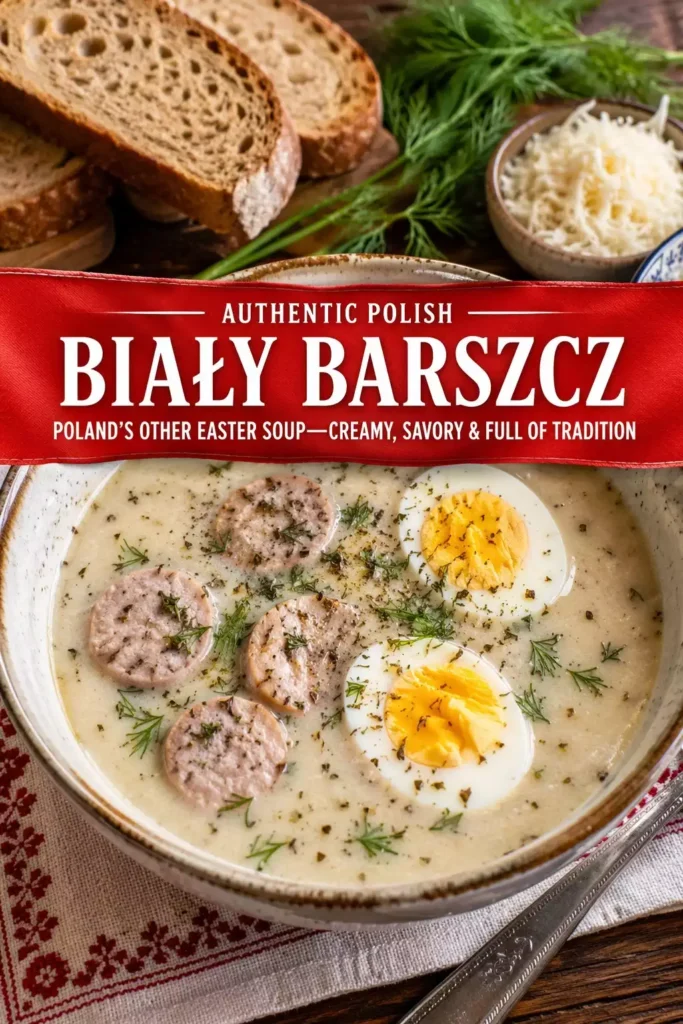
Biały Barszcz — Poland’s Other Easter Soup
Everyone knows żurek. żurek gets the glory, the Instagram posts, the reverent descriptions in every Polish Easter article ever written. And look, I love żurek. I grew up eating żurek. But there is another Easter soup in Poland that has been quietly doing its thing for generations without getting nearly enough credit — and that soup is biały barszcz.
My babcia made both. She would have two pots going on Holy Saturday — the żurek for my dziadek, who would accept nothing else, and the biały barszcz for my aunt, who found żurek “too sour.” I grew up thinking this was just a family quirk. Then I got older and realized this is a Poland-wide thing. There are entire regions where biały barszcz is the Easter soup, full stop. No debate needed.
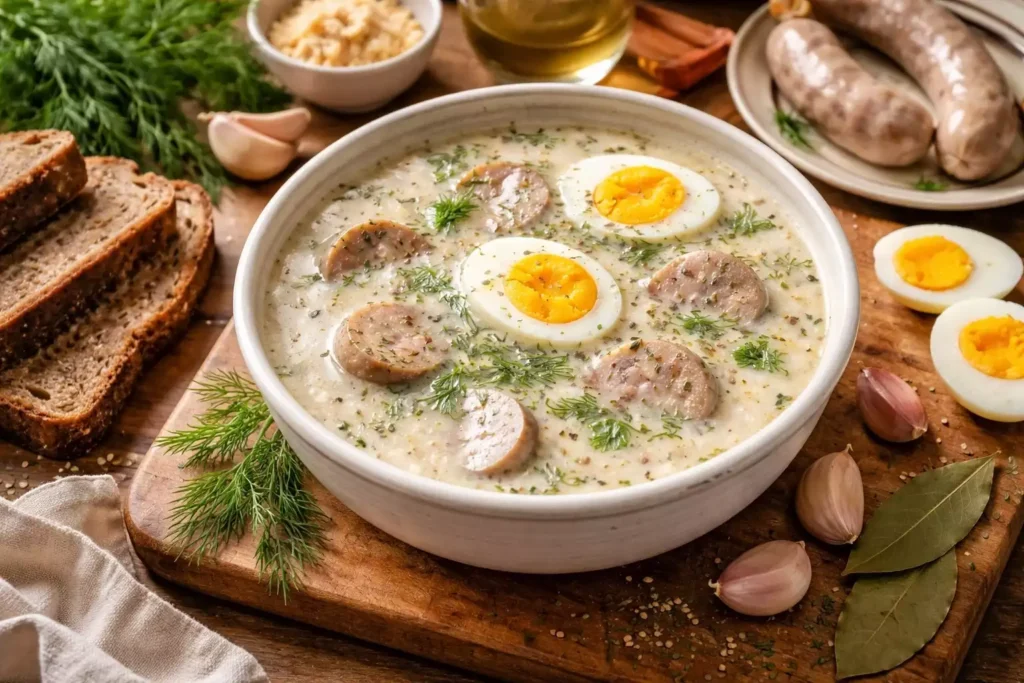
Biały barszcz is lighter than żurek, cream-based, with a gentle tang from wheat or rye flour and a deep savory backbone from white sausage and eggs. It is the Easter soup for people who want the full celebratory experience without the aggressive sourness of a fermented rye starter. It is, frankly, spectacular — and I refuse to let it live in żurek’s shadow any longer.
This is the recipe my family has been making for three generations. No shortcuts, no compromises.
Why This Biały Barszcz Works
The base of this soup is a lightly fermented wheat or rye liquid — some recipes use sourdough discard, others use a quick ferment of flour, water, and garlic. The result is a soup with real depth and a gentle sourness that does not overwhelm. Cream gives it body and richness without heaviness. The white sausage cooked directly in the broth transfers all its marjoram-scented, garlicky pork flavor into the liquid — you could honestly just drink the broth by itself and be happy.
Unlike żurek, biały barszcz is forgiving. There is no five-day fermentation waiting period. You can make a quick version start-to-finish in well under an hour. I have served this to people who claimed they did not like Polish food. They asked for the recipe before they finished the bowl.
Ingredients
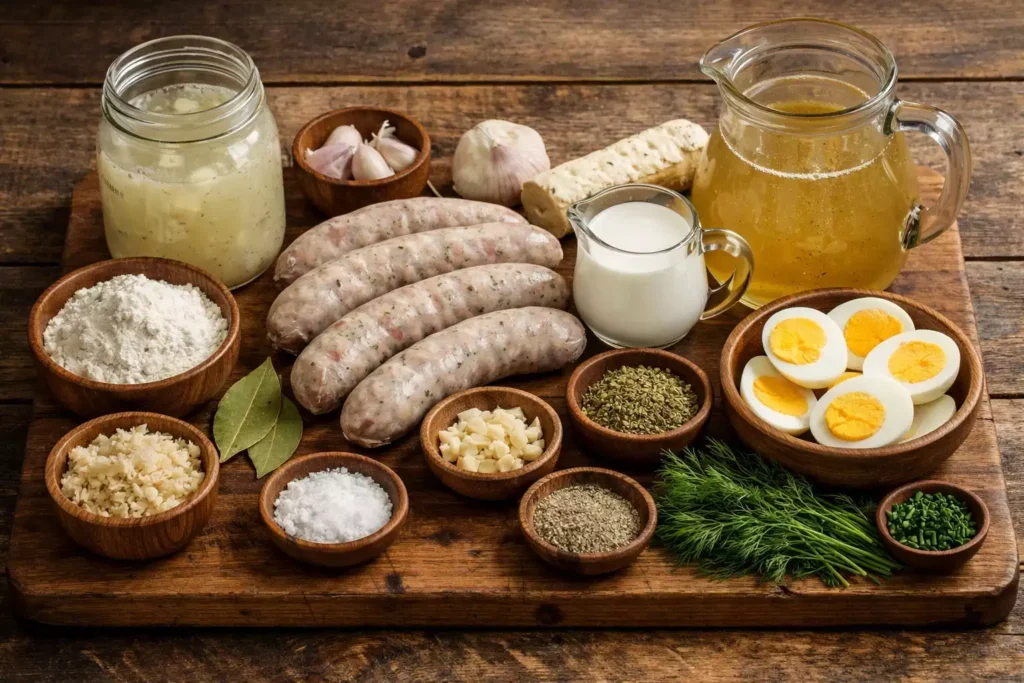
For the Quick Ferment Base
- 3 tbsp white rye or plain flour
- 500ml (2 cups) lukewarm water
- 3 cloves garlic, crushed
- 2 bay leaves
For the Soup
- 1 litre (4 cups) good pork or chicken broth
- Ferment base (strained) from above
- 400g (14oz) biała kiełbasa (Polish white sausage), sliced
- 200ml (¾ cup) heavy cream
- 4 hard-boiled eggs, halved
- 4 cloves garlic, minced
- 1 tbsp dried marjoram
- 1 tsp white pepper
- Salt to taste
- 1 tbsp fresh horseradish (optional)
- Fresh dill or chives, to serve
How to Make It
1
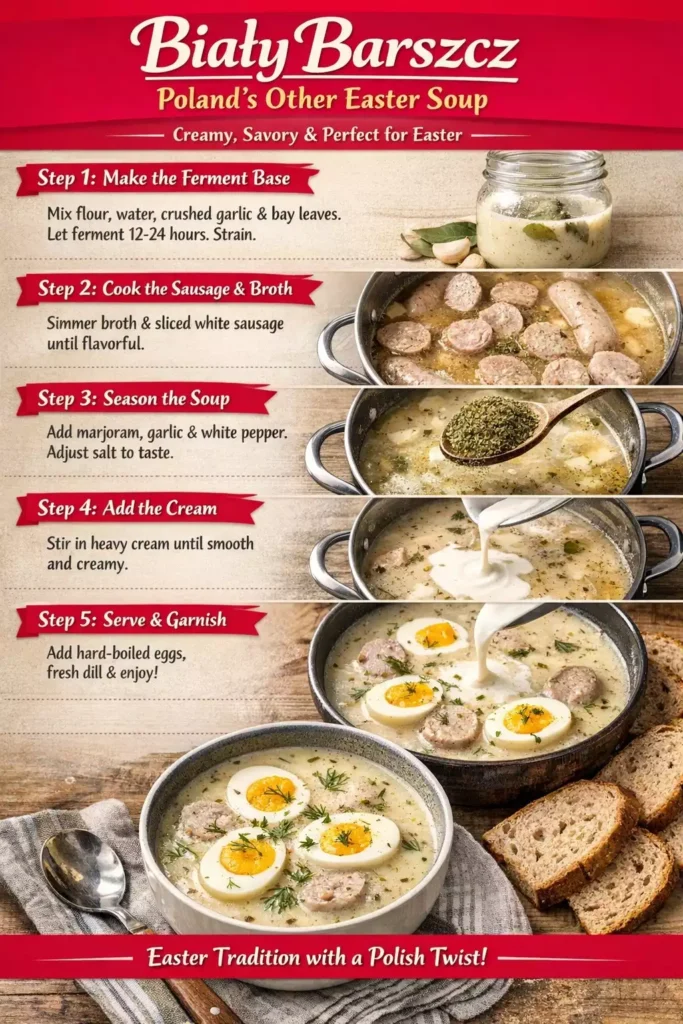
1Make the Ferment Base (Ideally 12–24 Hours Ahead)
Whisk the flour into the lukewarm water until smooth. Add the crushed garlic and bay leaves, cover loosely, and leave at room temperature for 12–24 hours. This quick ferment gives the soup its characteristic gentle sourness. If you are short on time, even 4–6 hours will add something. Strain before using.
2
2Build the Broth
Pour the broth into a large pot. Add the strained ferment base and the sliced white sausage. Bring to a gentle simmer over medium heat. Add the minced garlic. Simmer for 20 minutes, letting the sausage flavor the broth deeply. Do not rush this step — the sausage fat and spices need time to melt into the liquid.
3
3Season the Soup
Add the marjoram and white pepper. Taste the broth — it should be savory, mildly sour, and smell beautifully of garlic and marjoram. Adjust salt. If the sourness is not enough, add a tablespoon of white wine vinegar or a splash of your ferment base. If it is too sour, add more broth.
4
4Add the Cream
Temper the cream before adding: ladle one cup of hot soup into a separate bowl, whisk in the cream, then pour back into the pot while stirring. Simmer on low for another 5 minutes. The soup should look pale, creamy, and silky. Do not boil after adding cream or it may separate.
5
5Serve
Ladle into deep bowls. Add two hard-boiled egg halves to each bowl. Finish with a small pinch of dried marjoram rubbed between your fingers over the top — this releases the aroma right before serving. Add a small swirl of cream if you want it to look beautiful. Serve with dark rye bread.
Biały Barszcz Tips That Save the Soup
Broth quality is everything. This soup is simple, which means every ingredient matters. Use a proper homemade or good-quality store-bought pork or chicken broth. A watery broth makes a watery biały barszcz. The sausage helps, but it cannot fix bad stock.
Ferment time flexibility. Unlike żurek’s five-day commitment, the ferment base here is flexible. Overnight (12 hours) is ideal. A full 24 hours makes it tangier. Even a few hours gives the soup more dimension than using plain flour-water paste with no fermentation at all.
Heavy cream vs. sour cream. Both work. Heavy cream makes a richer, smoother soup. Sour cream adds extra tang and a slightly thicker texture. My babcia used śmietana — Polish cultured cream, which sits between the two. If you can find it at a Polish deli, use it.
Add horseradish at the table. Not everyone loves horseradish in their soup. Put it on the table and let people add it themselves. Those who add it will add a lot. Those who do not will still have a fantastic soup.
Serving Biały Barszcz at Easter
Biały barszcz belongs at the Easter morning table alongside its more famous cousin żurek. In households where both are served, guests can choose — and both pots will empty. The soup pairs perfectly with sliced biała kiełbasa, rye bread, and a small dish of fresh chrzan. The hard-boiled eggs in the soup traditionally come from the blessed Easter basket — blessed at Saturday evening church and first eaten on Sunday morning.
If you are making both żurek and biały barszcz, make biały barszcz last — it reheats slightly better and tolerates the rush of last-minute Easter morning chaos more gracefully.
Variations Worth Trying
With sourdough discard. If you keep a sourdough starter, use 150ml of active sourdough discard in place of the ferment base. It gives the soup a beautiful, complex tang without any extra fermentation time. This is my weekday shortcut when I want biały barszcz in under an hour.
With smoked sausage. Swap some or all of the white sausage for lightly smoked kielbasa for a deeper, smokier profile. Still authentically Polish, just a slightly different direction.
Vegetarian version. Use vegetable broth, skip the sausage, and double the eggs. Add sautéed mushrooms for umami depth. Not traditional, but genuinely delicious and a practical option for the one vegetarian at the Easter table who deserves a proper soup too.
Storage and Reheating
Store the soup in the refrigerator for up to 3 days. Keep the eggs separate — they get rubbery sitting in hot soup. Reheat gently over low heat, stirring constantly; the cream base is delicate and will split if boiled. Do not freeze — cream-based soups do not freeze well and will separate on thawing.
FAQ
What is the difference between biały barszcz and żurek?
Żurek is made from a long-fermented rye starter and has a strong, characteristically sour and grainy flavor. Biały barszcz uses a shorter ferment or sourdough base and is lighter, creamier, and milder in sourness. They both contain white sausage and eggs, but the flavor experience is quite different. If żurek is the bold, assertive cousin, biały barszcz is the elegant one.
Can I make biały barszcz without the ferment step?
You can add a tablespoon of white wine vinegar or lemon juice to plain flour-thickened broth as a quick substitute, but you will lose the complex sour depth that makes biały barszcz special. It will still taste good — just simpler. Even a 4-hour quick ferment makes a real difference if you have the time.
Is biały barszcz the same as white borscht?
Yes — biały barszcz literally translates to “white borscht.” Despite the name, it has nothing to do with beet borscht (czerwony barszcz). The “barszcz” name historically referred to a category of sour soups, not specifically beet soup. White borscht is entirely wheat/rye based.
Do I need Polish white sausage or can I use any sausage?
Polish biała kiełbasa is genuinely worth sourcing from a Polish deli if possible — its fresh, unsmoked character and marjoram seasoning are specific to this soup. In a pinch, any fresh pork sausage will work. Avoid smoked or cured sausages for a first attempt; they will change the flavor profile significantly.
Kasia Polish Mom
Polish-born, Chicago-raised, feeding a family of six with babcia’s recipes and a global pantry. I grew up folding pierogi at my grandmother’s kitchen table and never stopped — 15+ years of cooking from scratch, one Sunday dinner at a time. Everything here is tested on four kids, a hungry husband, and the memory of a woman who never measured anything but always got it right.
Żurek — The Sour Rye Soup That IS Polish Easter
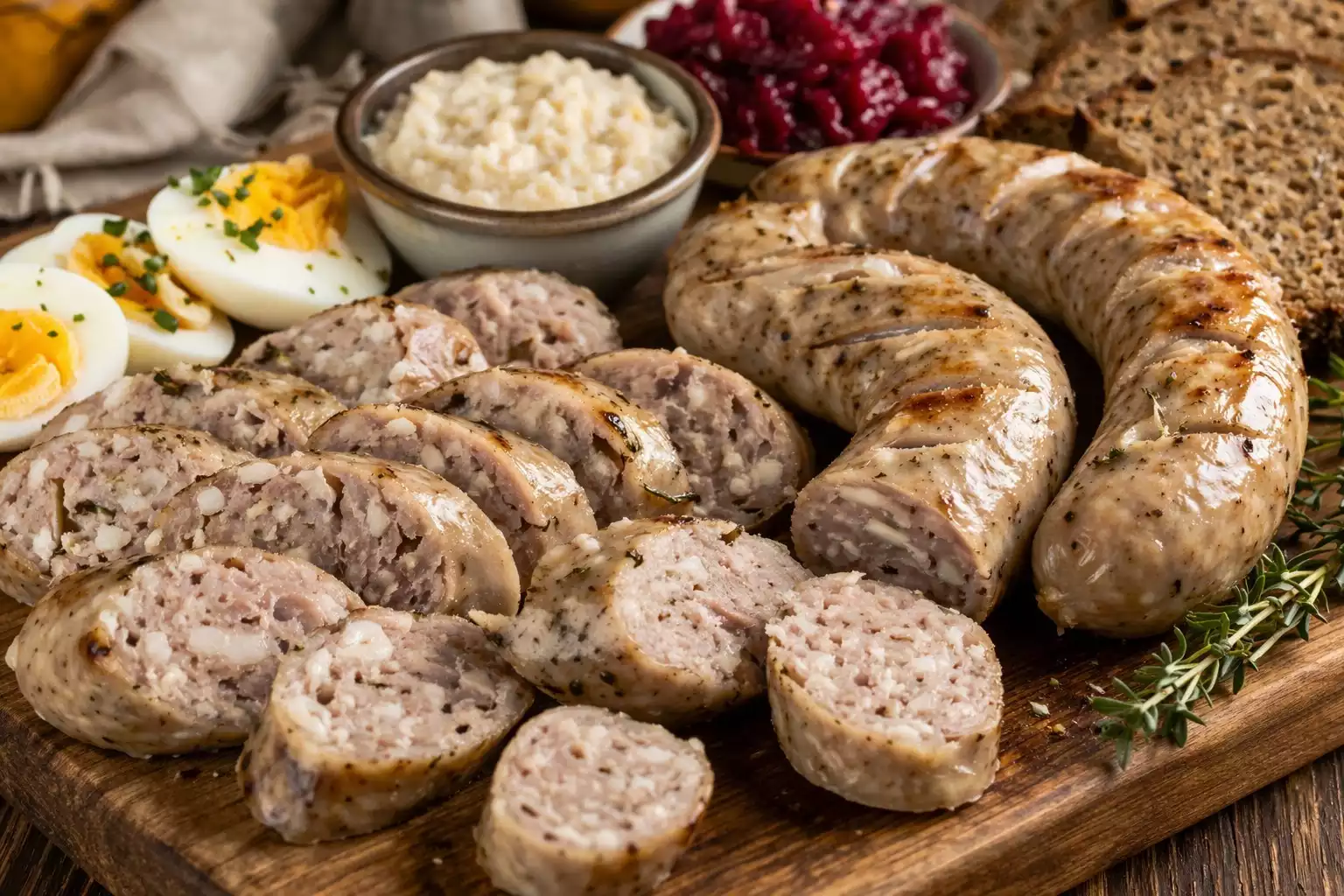
Biała Kiełbasa — The Easter Sausage Every Polish Table Needs

Szynka Wielkanocna — Polish Easter Ham Done Right
Babka Piaskowa — The Foolproof Polish Easter Cake

Makowiec — Polish Poppy Seed Roll for Every Holiday