Rosół (Polish Chicken Noodle Soup)
No Polish topic generates more heated opinions than rosół. Every Pole believes their family makes the best version, and every Pole is ready to fight about it. I’m about to share my recipe, which means roughly 38 million people will disagree with at least one ingredient. I’m ready.
Ingredients
For the Broth
- 1 whole chicken , or use a mix of thighs, drumsticks, wings, and backs about 3-4 lbs / 1.5-2 kg; bone-in, skin-on
- 1 piece beef shank or marrow bone about ½ lb / 225g; optional but makes a huge difference
- 3 medium carrots, peeled and halved lengthwise
- 1 large parsley root or parsnip, peeled
- ½ small celeriac , peeled and quartered celery root; or 3 stalks of celery with leaves
- 1 large leek, cleaned and halved
- 1 medium onion, unpeeled, charred see instructions
- 4-5 cloves garlic, unpeeled
- A small piece of Savoy cabbage about ¼ head; optional but traditional in many families
- 12-14 cups cold water 3-3.5 litres
Spices
- 3 bay leaves
- 5-6 allspice berries whole
- 8-10 whole black peppercorns
- Salt to taste start with 1 tablespoon, adjust at the end
Fresh Herbs (Added at the End)
- Fresh parsley leaves, chopped
- Fresh dill, chopped
- Fresh lovage leaves if available this is the traditional rosół herb and adds a unique celery-like depth
For Serving
- Fine egg noodles makaron nitki — angel hair or thin vermicelli
- Cooked carrot slices from the broth
- Pulled chicken meat from the broth
Method
Step 1 — Char the Onion
-
Cut the unpeeled onion in half. Place it cut-side down directly on a gas burner flame, or under a broiler, until the cut surface is deeply blackened — almost burnt. This isn’t a mistake. The charred sugars in the onion add golden colour and a subtle caramelised sweetness to the broth. It takes about 5 minutes. Set aside.
Step 2 — Build the Broth
-
Place the chicken pieces and beef bone in a large stockpot. Cover with COLD water (starting with cold water extracts more flavour from the bones). Add 1 tablespoon of salt.
-
Set over medium-low heat and bring to a gentle simmer — NOT a rolling boil. This is the most important rule of rosół. Boiling makes it cloudy. You want lazy, slow bubbles barely breaking the surface.
-
As the liquid heats, grey foam (scum) will form on the surface. Skim it off with a ladle or spoon. Keep skimming for the first 15-20 minutes. This is the single most important step for achieving a clear broth.
Step 3 — Add Vegetables and Simmer
-
After about 45 minutes of simmering and skimming, add all the vegetables — carrots, parsley root, celeriac, leek, charred onion, garlic, and cabbage (if using). Add the bay leaves, allspice, and peppercorns.
-
Continue simmering gently, uncovered, for another 1.5-2 hours. Don’t stir. Don’t cover. Don’t rush. The kitchen will smell like Sunday.
Step 4 — Strain and Season
-
When the broth is deeply golden and fragrant, carefully remove the chicken and beef bone. Set aside the carrots and parsley root — you’ll serve these sliced alongside the soup.
-
Strain the broth through a fine-mesh sieve lined with cheesecloth for the clearest result. Taste and adjust the salt.
-
Pull the chicken meat from the bones in large pieces. Discard the skin and bones.
Step 5 — Serve
-
Cook the fine noodles separately according to package instructions. Place a small nest of noodles in each bowl. Ladle the hot, clear broth over the noodles. Add a few slices of cooked carrot and pieces of chicken. Top with fresh chopped parsley and dill.
-
Serve immediately as a first course, followed by kotlet schabowy with potatoes — the classic Polish Sunday progression.
Kasia Polish Mom
Polish-born, Chicago-raised, feeding a family of six with babcia’s recipes and a global pantry. I grew up folding pierogi at my grandmother’s kitchen table and never stopped — 15+ years of cooking from scratch, one Sunday dinner at a time. Everything here is tested on four kids, a hungry husband, and the memory of a woman who never measured anything but always got it right.
Rosół — Poland’s Golden Chicken Soup (Sunday Dinner Tradition)
No Polish topic generates more heated opinions than rosół. Every Pole believes their family makes the best version, and every Pole is ready to fight about it. I’m about to share my recipe, which means roughly 38 million people will disagree with at least one ingredient. I’m ready.
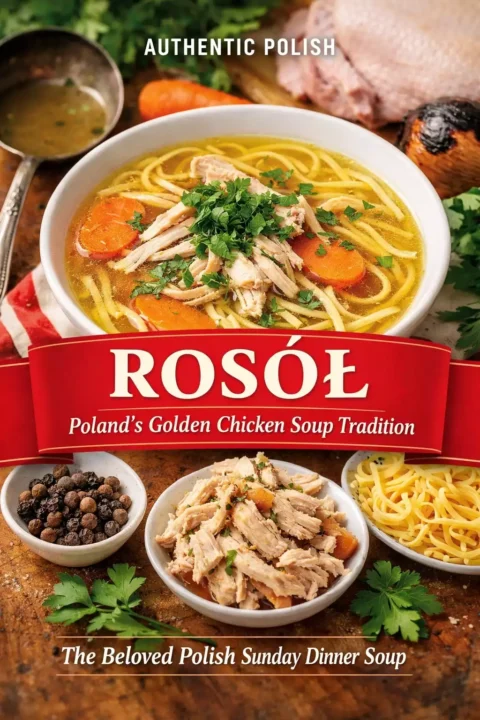
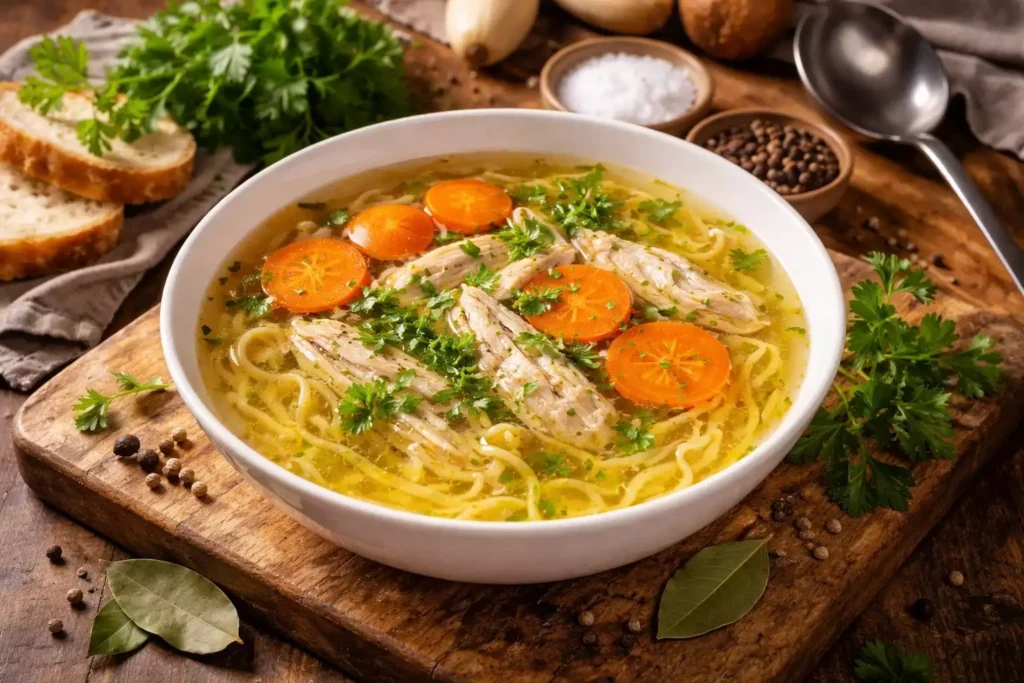
Rosół (pronounced “roh-SOOW”) is Poland’s golden chicken soup — a crystal-clear, deeply flavoured broth
simmered for hours with root vegetables and aromatic spices, served over fine noodles with sliced carrots and fresh parsley. It’s the first course of every Polish Sunday dinner, the centrepiece of every wedding reception, and the undisputed national cold remedy. In our house, rosół doesn’t need a reason. Someone always has a pot going.
The word rosół comes from the Latin “ros” (dew) and “sol” (salt) — essentially “salty dew,” which is a rather poetic way to describe broth. It arrived in Poland sometime in the 16th century and never left. For most Polish families, Sunday without rosół is like Sunday without church — technically possible, but deeply unsettling.
What Makes Rosół Different From Regular Chicken Soup
American chicken noodle soup is a one-pot comfort meal. Polish rosół is a clear, elegant consommé served as a separate course before the main dish. The differences are significant:
Clarity: A proper rosół is golden and almost perfectly clear — you should be able to see the noodles at the bottom of the bowl. This means no vigorous boiling (which breaks proteins into cloudy particles), careful skimming, and patience.
Depth: The best rosół uses chicken AND beef (or at least a beef bone), plus a specific set of root vegetables called włoszczyzna — carrot, parsley root, celery root, leek — that give the broth a complex, layered flavour you won’t get from just chicken and celery.
Charred onion: This is the secret weapon. An unpeeled onion charred directly over a flame until blackened gives the broth its characteristic golden colour and adds a subtle sweetness. Skip this step and your rosół will be pale and missing depth.
Ingredients You’ll Need
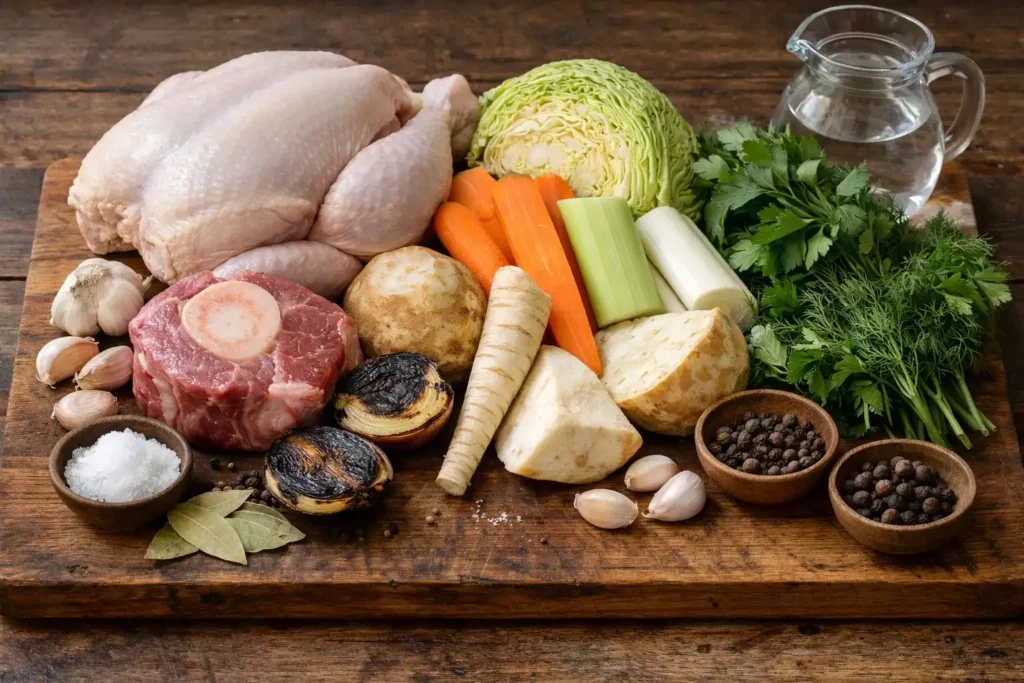
For the Broth
- • 1 whole chicken (about 3-4 lbs / 1.5-2 kg), or use a mix of thighs, drumsticks, wings, and backs — bone-in, skin-on
- • 1 piece of beef shank or marrow bone (about ½ lb / 225g) — optional but makes a huge difference
- • 3 medium carrots, peeled and halved lengthwise
- • 1 large parsley root or parsnip, peeled
- • ½ small celeriac (celery root), peeled and quartered — or 3 stalks of celery with leaves
- • 1 large leek, cleaned and halved
- • 1 medium onion, unpeeled, charred (see instructions)
- • 4-5 cloves of garlic, unpeeled
- • A small piece of Savoy cabbage (about ¼ head) — optional but traditional in many families
- • 12-14 cups (3-3.5 litres) cold water
Spices
- • 3 bay leaves
- • 5-6 allspice berries (whole)
- • 8-10 whole black peppercorns
- • Salt to taste (start with 1 tablespoon, adjust at the end)
Fresh Herbs (Added at the End)
- • Fresh parsley leaves, chopped
- • Fresh dill, chopped
- • Fresh lovage leaves if available — this is the traditional rosół herb and adds a unique celery-like depth
For Serving
- • Fine egg noodles (makaron nitki — angel hair or thin vermicelli)
- • Cooked carrot slices from the broth
- • Pulled chicken meat from the broth
On włoszczyzna: In Poland, every grocery store sells pre-packaged soup vegetable sets called włoszczyzna (pronounced “vwosh-CHIZ-nah”). In the US, you’ll need to buy the components separately. The essential trio is carrot, parsley root, and celery root. If you can’t find parsley root, parsnip is the closest substitute.
How to Make Rosół Step by Step
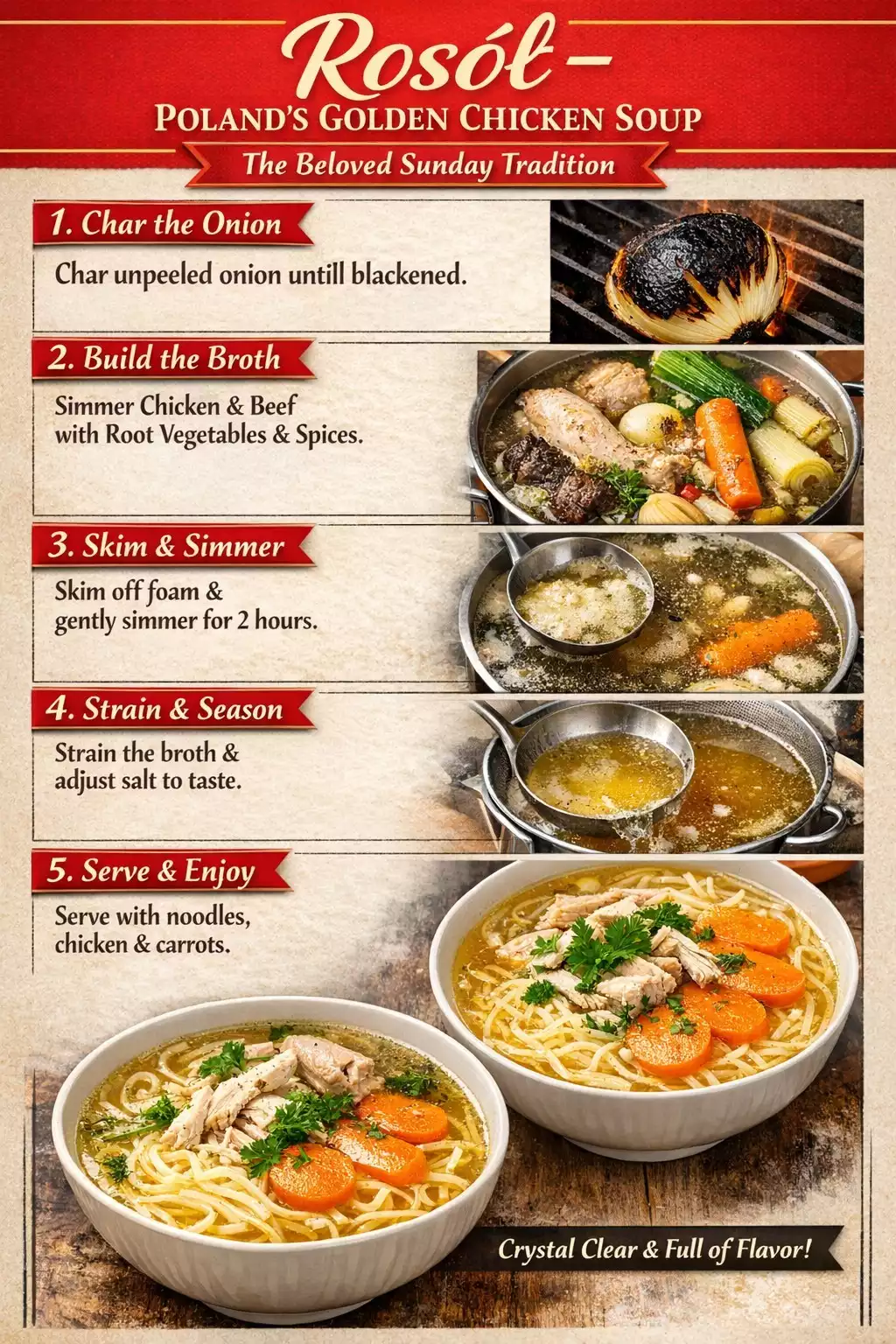
1
1Char the Onion
Cut the unpeeled onion in half. Place it cut-side down directly on a gas burner flame, or under a broiler, until the cut surface is deeply blackened — almost burnt. This isn’t a mistake. The charred sugars in the onion add golden colour and a subtle caramelised sweetness to the broth. It takes about 5 minutes. Set aside.
2
2Build the Broth
Place the chicken pieces and beef bone in a large stockpot. Cover with COLD water (starting with cold water extracts more flavour from the bones). Add 1 tablespoon of salt.
Set over medium-low heat and bring to a gentle simmer — NOT a rolling boil. This is the most important rule of rosół. Boiling makes it cloudy. You want lazy, slow bubbles barely breaking the surface.
As the liquid heats, grey foam (scum) will form on the surface. Skim it off with a ladle or spoon. Keep skimming for the first 15-20 minutes. This is the single most important step for achieving a clear broth.
3
3Add Vegetables and Simmer
After about 45 minutes of simmering and skimming, add all the vegetables — carrots, parsley root, celeriac, leek, charred onion, garlic, and cabbage (if using). Add the bay leaves, allspice, and peppercorns.
Continue simmering gently, uncovered, for another 1.5-2 hours. Don’t stir. Don’t cover. Don’t rush. The kitchen will smell like Sunday.
4
4Strain and Season
When the broth is deeply golden and fragrant, carefully remove the chicken and beef bone. Set aside the carrots and parsley root — you’ll serve these sliced alongside the soup.
Strain the broth through a fine-mesh sieve lined with cheesecloth for the clearest result. Taste and adjust the salt.
Pull the chicken meat from the bones in large pieces. Discard the skin and bones.
5
5Serve
Cook the fine noodles separately according to package instructions. Place a small nest of noodles in each bowl. Ladle the hot, clear broth over the noodles. Add a few slices of cooked carrot and pieces of chicken. Top with fresh chopped parsley and dill.
Serve immediately as a first course, followed by kotlet schabowy with potatoes — the classic Polish Sunday progression.
Tips for the Clearest Rosół
💡 Pro Tips
✓ Start with cold water. This gradually extracts proteins from the bones and gives you cleaner broth.
✓ Never boil. Only simmer. Gentle bubbles = clear broth. Violent boiling = cloudy broth. This is non-negotiable.
✓ Skim religiously in the first 20 minutes. That grey foam is protein scum. Remove it all.
✓ Don’t stir. Stirring breaks particles back into the liquid. Let the soup do its thing undisturbed.
✓ Char the onion. It adds colour and sweetness. Without it, your rosół will be pale.
✓ Cook noodles separately. Noodles cooked directly in the broth release starch and make it cloudy. Always cook them in a separate pot and add to individual bowls.
✓ Emergency clarity trick: If your broth is cloudy, beat 2 egg whites and stir them into the warm (not boiling) soup. The egg whites will attract and bind the cloudy particles. Strain through cheesecloth. Crystal clear.
Noodle Options for Rosół
Poles take their rosół noodles seriously. Here are the traditional options:
• Makaron nitki (angel hair/thin vermicelli) — the most common and my personal favourite. They don’t overwhelm the delicate broth.
• Lane kluski (drop noodles) — a runny egg-flour batter drizzled into the hot soup, forming irregular strands. Rustic and homey.
• Łazanki — small square pasta pieces, more substantial. Good for heartier appetites.
• Kluski kładzione — spoon-dropped dumplings. These turn rosół into a more substantial first course.
What to Do With Rosół Leftovers
Leftover rosół broth is liquid gold in the Polish kitchen:
• Zupa pomidorowa (Polish tomato soup) — the most traditional use. Add tomato passata to rosół for a quick, flavourful tomato soup.
• Base for żurek — rosół makes an incredible base for sour rye soup.
• Sauce base — use as stock for gravies, risottos, and pan sauces.
• Freeze in ice cube trays — instant flavour bombs for any dish.
Leftover chicken can be used for chicken salad, chicken spread for bread (very popular in Poland), or added to gołąbki filling.
How to Store
Fridge: Store broth without noodles for up to 4 days in a covered container.
Freezer: Freeze broth (without noodles) for up to 3 months. Thaw in the fridge overnight. Reheat gently on the stove. Cook fresh noodles when serving.
Frequently Asked Questions
Do I need beef in my rosół?
No, but a piece of beef shank or marrow bone adds a depth and richness that chicken alone can’t achieve. The traditional “best” rosół uses both chicken and beef. If I’m making it for Sunday dinner, I always include beef. For a quick weeknight version, chicken alone is perfectly fine.
Why is my rosół cloudy?
Almost always because the soup was boiled too hard at some point. The solution: simmer gently, skim diligently, and don’t stir. If it’s already cloudy, try the egg white clarification trick described in the tips section.
Can I make rosół in an Instant Pot?
You can, and it’ll be flavourful, but it won’t be clear. Pressure cooking produces a cloudy broth because the vigorous cooking breaks proteins into fine particles. If you don’t mind cloudy broth, Instant Pot rosół is convenient and delicious. If clarity matters to you, stick to the stovetop.
What’s the difference between rosół and chicken broth?
Rosół IS chicken broth — but a specific, elevated version. It uses a defined set of root vegetables (włoszczyzna), spices (allspice, bay leaf), a charred onion, and often a mix of chicken and beef. Regular American chicken broth is simpler and often includes celery, carrot, and onion only. The flavour profiles are noticeably different.
Can I use parsnip instead of parsley root?
Yes. Parsnip is sweeter and milder than parsley root, but it works well. Parsley root (pietruszka) is the traditional choice and adds a more herbaceous, celery-like depth. If you have a Polish deli nearby, they usually carry it. Otherwise, parsnip is a perfectly good substitute.
Kasia Polish Mom
Polish-born, Chicago-raised, feeding a family of six with babcia’s recipes and a global pantry. I grew up folding pierogi at my grandmother’s kitchen table and never stopped — 15+ years of cooking from scratch, one Sunday dinner at a time. Everything here is tested on four kids, a hungry husband, and the memory of a woman who never measured anything but always got it right.
Beef and Broccoli — The 20-Minute Weeknight Hero
Biały Barszcz — Poland’s Other Easter Soup
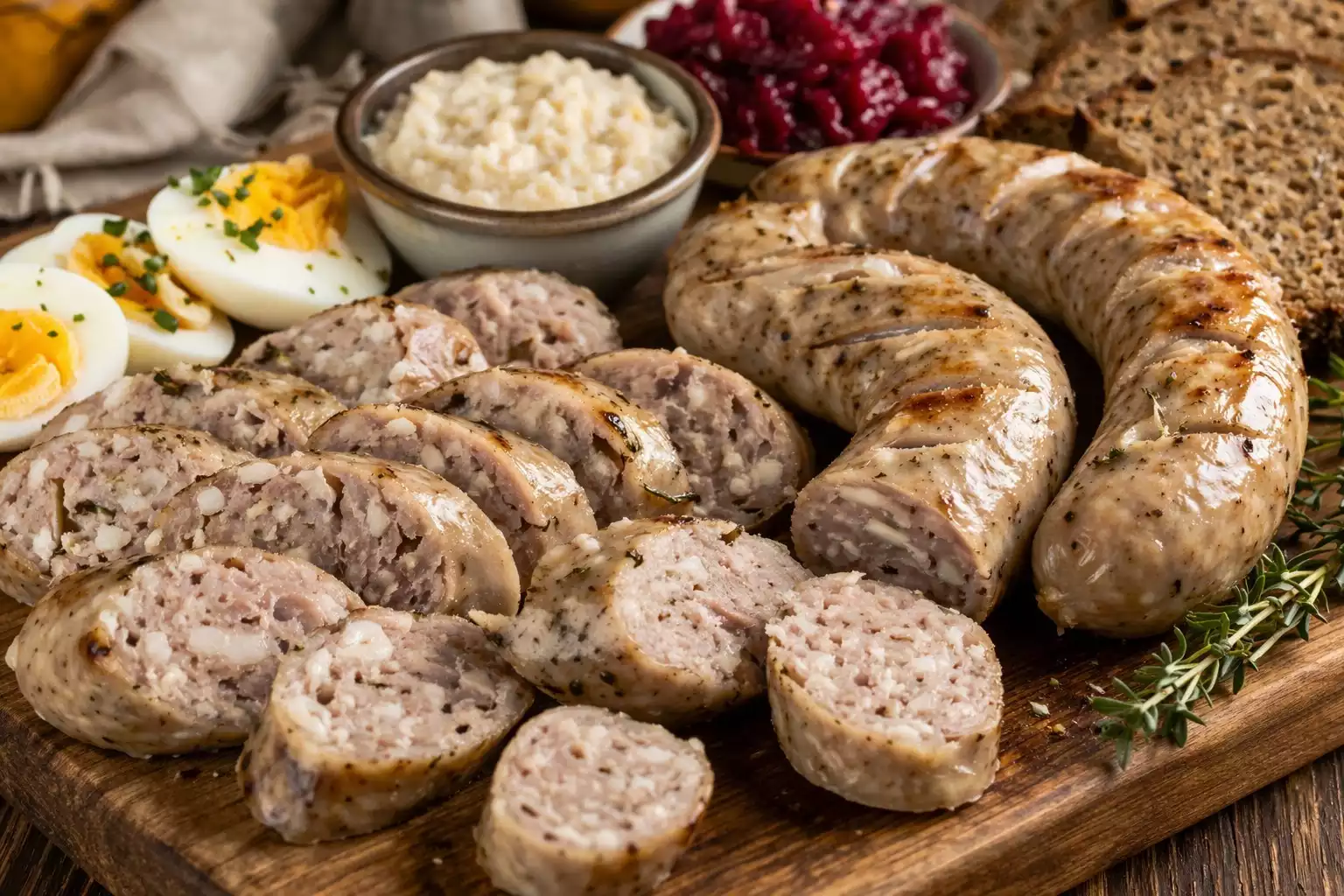
Biała Kiełbasa — The Easter Sausage Every Polish Table Needs
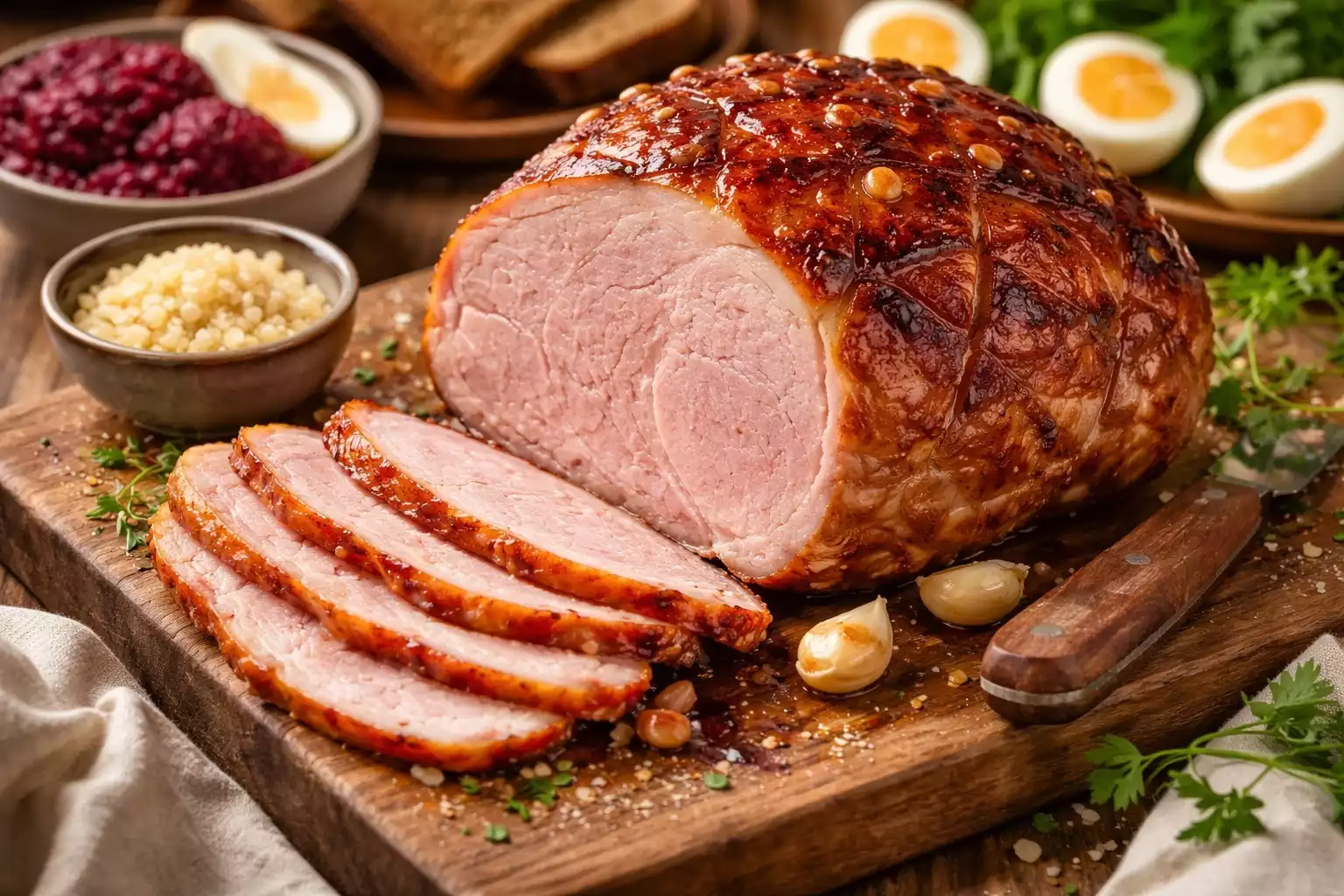
Szynka Wielkanocna — Polish Easter Ham Done Right
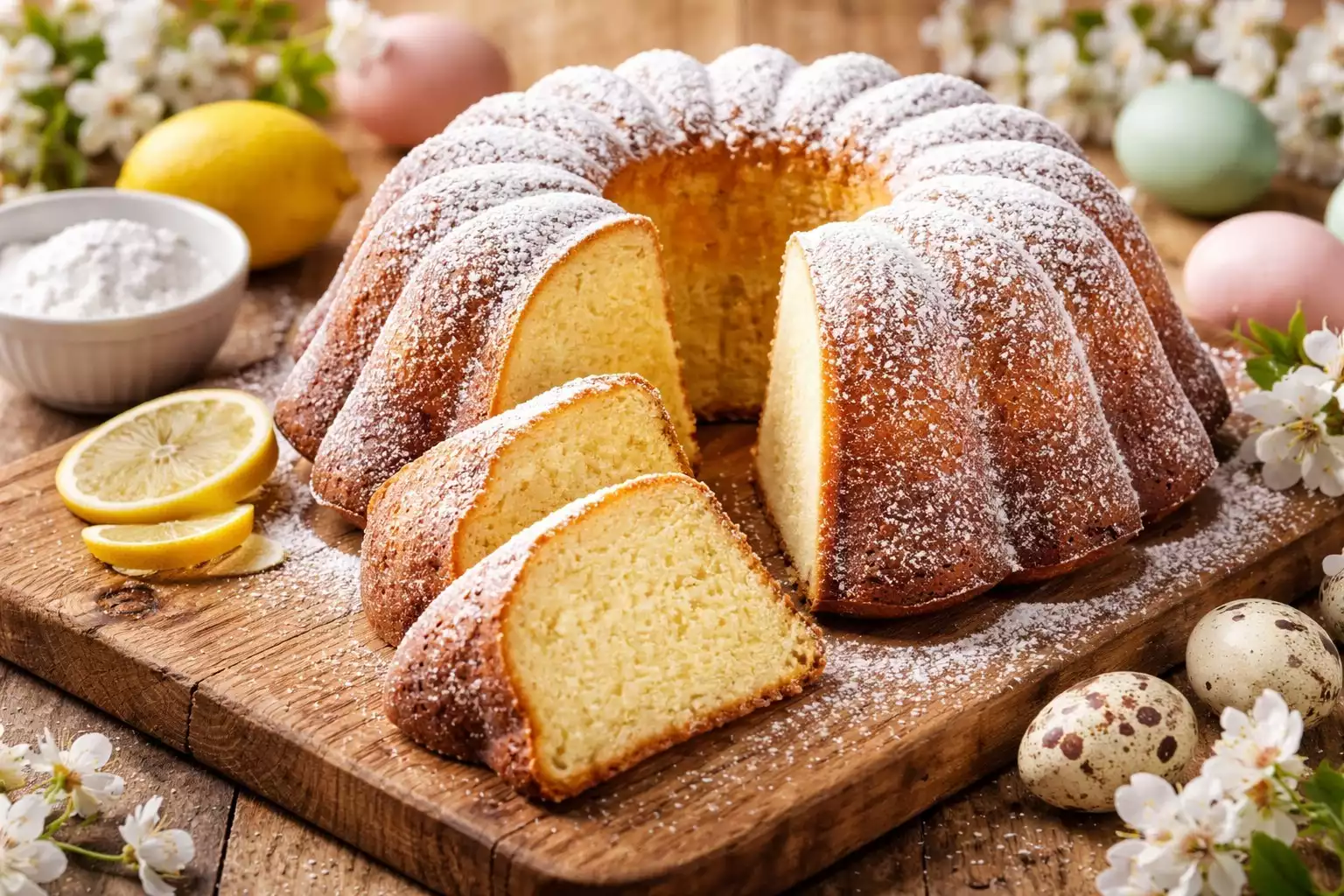
Babka Piaskowa — The Foolproof Polish Easter Cake